

Ask three security door installers for a quote on the same house, and you’ll likely get three very different numbers. One homeowner might pay around $600 for a basic hinged screen door, while their neighbour spends $3,500 on a custom stainless steel mesh door. Neither price is wrong; they’re just describing completely different products. If you’re trying to budget for a security door and the quotes you’ve received don’t seem to add up, here’s what actually determines the price, broken down by material and style.
What Actually Drives the Price
Before comparing materials, it helps to understand the variables installers weigh up. The frame material- aluminium, steel, or timber- sets the baseline cost. The mesh or grille type matters too: a diamond-pattern grille is generally cheaper than a fine stainless steel security mesh, which resists cutting and prying far better. Door size and any custom shaping, such as arched tops, sidelights, or double doors, add cost, as does the complexity of the opening itself. A straightforward hinged door on an existing frame is far cheaper to install than a sliding door that needs new tracks. Finally, the lock and hinge hardware can shift the price noticeably; a basic deadbolt costs far less than a multi-point locking system.
Location plays a part too. Installers in Sydney’s inner and eastern suburbs often quote slightly higher labour rates than outer-suburban teams, simply because of travel time and demand. Older weatherboard or heritage-style homes can also add cost, since door frames are rarely a standard size and may need custom measuring rather than an off-the-shelf fit.
Price Guide by Material
As a rough guide, here’s what to expect for a standard single door, supplied and installed. Treat these as indicative ranges rather than fixed prices; actual quotes vary by supplier, door size, and location, so it’s worth getting a written measure-and-quote before committing to anything.
- Aluminium security doors: typically the most affordable option, often starting from around $500 to $900 for a basic hinged model.
- Steel security doors: usually sit in the $700 to $1,400 range, valued for their strength at a lower price point than stainless steel.
- Stainless steel mesh (security screen) doors: generally the most expensive category, often $1,200 to $2,500 or more, since fine marine-grade mesh costs more to manufacture and is harder to compromise.
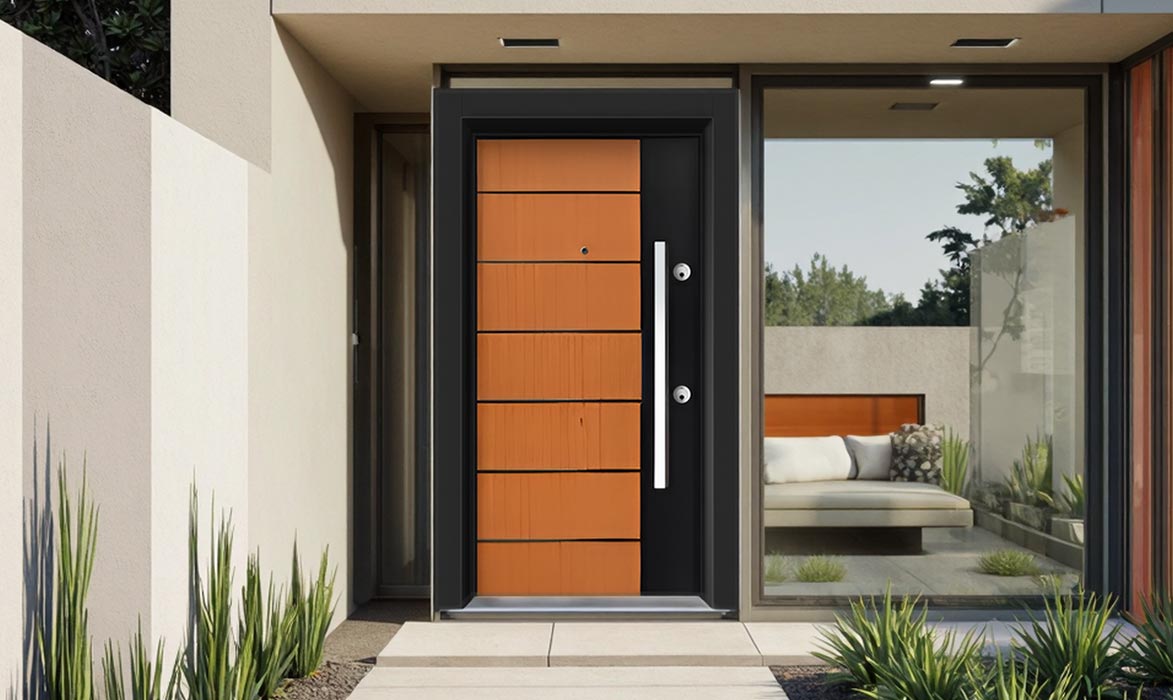
- Timber-look aluminium doors: a mid-range option, usually $800 to $1,600, popular where homeowners want a decorative finish without sacrificing strength.
Price by Style
Style affects cost almost as much as material. Hinged security doors are the most common and the cheapest to install, since they usually fit onto an existing door frame. Sliding security doors, often used on back or side entries alongside sliding glass doors, cost more because they need a track system and more precise measuring. French or double security doors, two hinged panels opening from the centre, cost roughly double a single door, plus hardware for the second locking point. If you’re weighing up security doors in Croydon Park, it’s worth getting a couple of local quotes, since older homes in the area sometimes need custom framing that adds to the final price.
Is a Security Door Worth the Cost?
The upfront cost can feel like a lot, until you weigh it against what a break-in actually costs. In 2024-25, the Australian Bureau of Statistics estimated that 196,600 households experienced a break-in, around 1.8% of all households nationally. Separately, a national insurance survey found the average financial loss from a burglary sits at just over $2,100, with some incidents costing homeowners more than $5,000. Against that backdrop, even a $1,500 stainless steel security door starts to look like a reasonable insurance policy in its own right, particularly since burglars are known to move on quickly when a home visibly resists easy entry.
It’s also worth remembering that a security door does more than deter forced entry. A well-fitted door with a quality mesh still lets airflow and natural light through, so you get the practical benefit of an open front door on a warm evening without the same exposure. For many homeowners, that everyday usefulness is what makes the cost easier to justify, separate from the security case altogether.
Getting a Fair Comparison
Getting matching quotes starts with knowing what you’re actually comparing: material, mesh grade, door style, and hardware all move the number up or down. Rather than picking the cheapest option on paper, ask each installer to specify grille type, frame gauge, and lock grade, so you’re comparing like for like. For homeowners exploring Sydney home security solutions, it’s often more useful to compare warranty terms and mesh certification than to chase the lowest quote. A well-chosen security door pays for itself the first time someone tries your front door and moves on to an easier target.
Frequently Asked Questions
How much does a basic security door cost in Australia?
A basic hinged aluminium security door typically costs between $500 and $900 supplied and installed, though prices rise with custom sizing, premium mesh, or upgraded locking hardware.
Is stainless steel mesh worth the extra cost?
Yes, for most homeowners. Stainless steel mesh resists cutting and prying far better than standard aluminium grilles, and it typically carries a longer warranty, which matters most on ground-floor entry points.
Do sliding security doors cost more than hinged doors?
Generally yes. Sliding doors need a track system and more precise installation, which usually adds several hundred dollars compared with a standard hinged door fitted to an existing frame.
How long does a security door installation take?
Most single-door installations are completed in half a day to a full day, assuming the existing frame is in good condition. Custom sizes or new framing can extend this timeline.
Does a security door affect home insurance premiums?
It can. Some insurers offer discounts for homes with compliant security doors and screens, though this varies by provider, so it’s worth checking with your insurer directly before assuming a discount applies.