
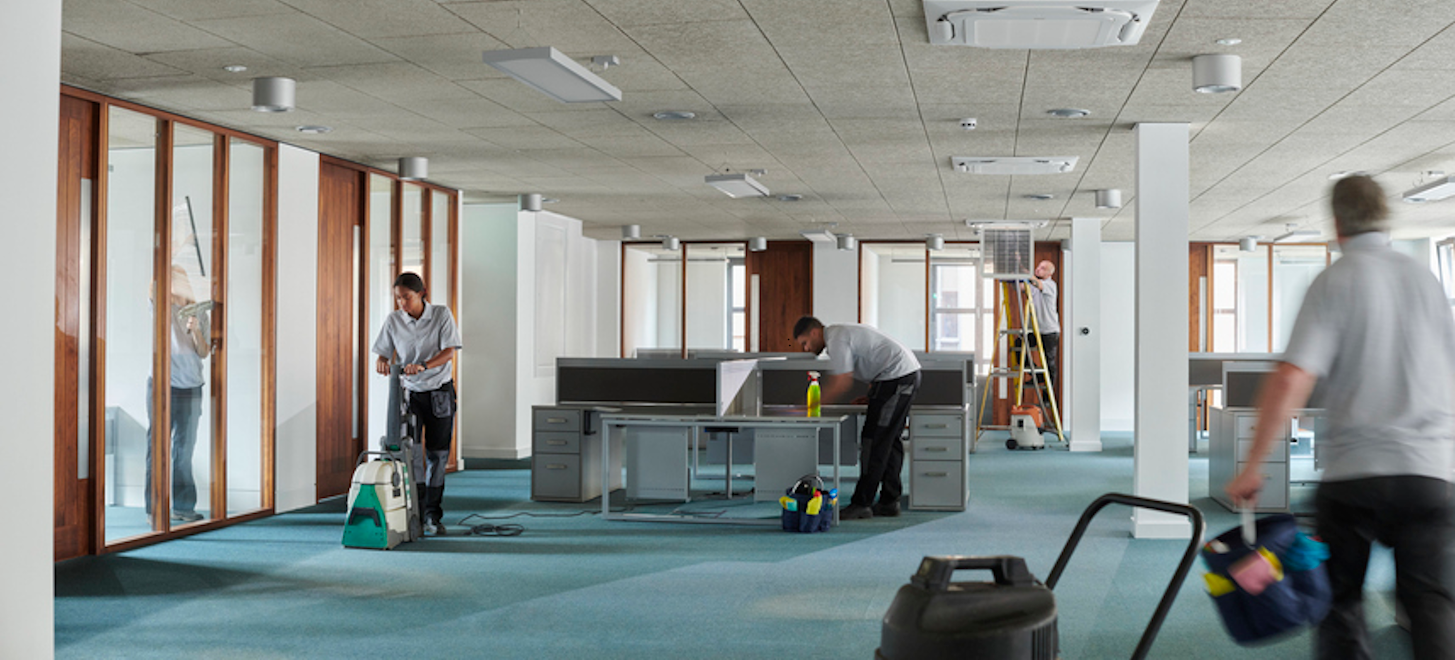

Most residents never think about who cleans their building until something gets missed. A sticky lift button, a stairwell full of leaves or an overflowing bin room is enough to trigger a string of emails to the committee. Soon, a small cleaning gap becomes a building-wide talking point.
A clear checklist stops that from happening. It tells your cleaner exactly what needs attention, helps the committee check the work is being done, and keeps every shared space in good order. Here are the essential areas every body corporate cleaning plan should cover.
Why a Written Checklist Matters
Without a checklist, cleaning tends to focus on whatever is most visible on the day. The lobby gets a mop, but the fire stairs, car park and bin room slowly slide. By the time anyone notices, the job is bigger and more expensive.
Clean, well-kept common areas are also a safety issue. Wet floors, loose rubbish and cluttered walkways can all lead to slips and falls. Nationally, falls, slips and trips made up around 22% of serious workers’ compensation claims in 2023–24, or about 32,000 claims, according to Safe Work Australia. For a body corporate that engages contractors and welcomes visitors every day, keeping floors and paths clear is basic risk management.
A written list also makes life easier when committee members change. New members can see exactly what the building is paying for and what standard to expect.
Entrances and Lobbies
The entrance sets the tone for the whole building. It’s the first place residents, guests and potential buyers see, so it deserves the most regular attention.
Your checklist should include cleaning glass doors and sidelights, mopping or vacuuming floors and wiping down intercoms, letterboxes and noticeboards. Doormats should be shaken out or vacuumed, and any furniture in the foyer dusted and wiped.
On the Gold Coast, sand is a constant visitor. Buildings near the beach often need entrances swept more than once a day in summer to stop grit scratching floors.
Lifts
Lifts are small, enclosed and used by almost everyone, which makes them one of the most important areas to get right. Fingerprints on mirrors and stainless steel show up straight away.
Include buttons, handrails, walls, mirrors and floors on the list, along with the door tracks, which collect dirt and small debris. Cleaning the tracks regularly also helps the doors open and close smoothly. If your building has a goods lift, add a wipe-down and a check of the protective padding after residents move in or out.
Hallways, Corridors and Stairwells
Hallways and stairwells see steady foot traffic but are easy to overlook. Carpets should be vacuumed and hard floors mopped on a regular schedule, with skirting boards, door frames and light switches wiped down.
Fire stairs need particular care. They must be kept clear of rubbish and clutter at all times, so check for stored items, dust build-up and anything that could block a safe exit. Handrails should be wiped clean, as they’re touched by everyone who uses them.
Bin Rooms and Waste Areas
The bin room is rarely anyone’s favourite space, but it can cause more complaints than any other part of the building. In warm, humid weather, odours and pests build up quickly.
The checklist should cover sweeping and hosing floors, cleaning up spills, wiping down bins and deodorising the room. Check that recycling is being sorted correctly and that bulky items aren’t being dumped. If they are, let the building manager know so it can be addressed with residents.
Car Parks
Car parks collect rubbish, leaves, dust and oil stains. Over time, they can start to feel neglected and unsafe if they’re not maintained.
Include regular sweeping, rubbish removal and spot-cleaning of oil spills on the checklist. Every few months, plan a deeper clean with a floor scrubber or pressure washer, and check that lights, signs and line markings are free of dirt and cobwebs. Pay attention to the lift lobbies and stairwell doors inside the car park too.
Shared Facilities
Pools, gyms, barbecue areas and function rooms are a big part of why people choose to live in a complex. When they’re dirty, residents notice quickly.
Gym equipment should be wiped down, mirrors cleaned and floors vacuumed or mopped. Barbecue areas need hotplates cleaned and benches wiped, while pool surrounds, change rooms and outdoor furniture should be kept free of leaves, sunscreen marks and rubbish. Function rooms should be checked and cleaned after every booking.
External Areas
The outside of the building matters just as much as the inside. Paths, driveways, balconies in common areas and entry gates all take a beating from the weather, and salty coastal air can leave a film on glass and metal fittings.
Add pressure washing paths and driveways, cleaning external glass, removing cobwebs from eaves and light fittings, and clearing leaves from common outdoor areas. For larger complexes, a specialist provider of body corporate external cleaning on the Gold Coast can handle these jobs safely, particularly where ladders or height access are needed.
How to Put Your Checklist to Work
Once you know what needs cleaning, sort each task by how often it should be done: daily, weekly, monthly or quarterly. High-traffic areas such as lobbies, lifts and bin rooms usually need the most frequent attention, while deeper jobs such as carpet steam cleaning can happen every few months.
Share the checklist with your cleaner and ask for simple reports or sign-off sheets. Review it every year, or whenever the building’s use changes, so it keeps up with what residents actually need.
The Bottom Line
A good body corporate cleaning checklist covers every shared space, from the front door to the bin room, and sets out how often each job gets done. It protects residents, keeps the building looking its best and gives the committee a clear way to hold contractors to account.
If you’d like help building a checklist that suits your complex, the team at Oz Commercial Cleaning Gold Coast can walk through your property and put together a practical cleaning plan.
Frequently Asked Questions
What should be on a body corporate cleaning checklist?
It should cover entrances, lobbies, lifts, hallways, stairwells, bin rooms, car parks, shared facilities and external areas. Each task should list how often it’s done, so the committee and cleaner share the same expectations.
Who is responsible for cleaning common property?
The body corporate is generally responsible for maintaining common property. Most committees hire a professional cleaning company to do the work, with the building or strata manager helping to oversee it.
How can the committee check the cleaning is being done?
Ask your cleaner for sign-off sheets, photos or regular reports. Committee members can also do occasional walk-throughs using the checklist, noting anything missed and raising it with the cleaning company.
Are fire stairs part of regular cleaning?
Yes. Fire stairs should be swept, dusted and kept completely clear of stored items or rubbish. Keeping them clean and unobstructed helps make sure residents can leave the building safely in an emergency.
How often should the checklist be reviewed?
At least once a year, or whenever something changes, such as new facilities, more residents or holiday letting. Regular reviews keep the cleaning plan matched to how the building is actually used.