
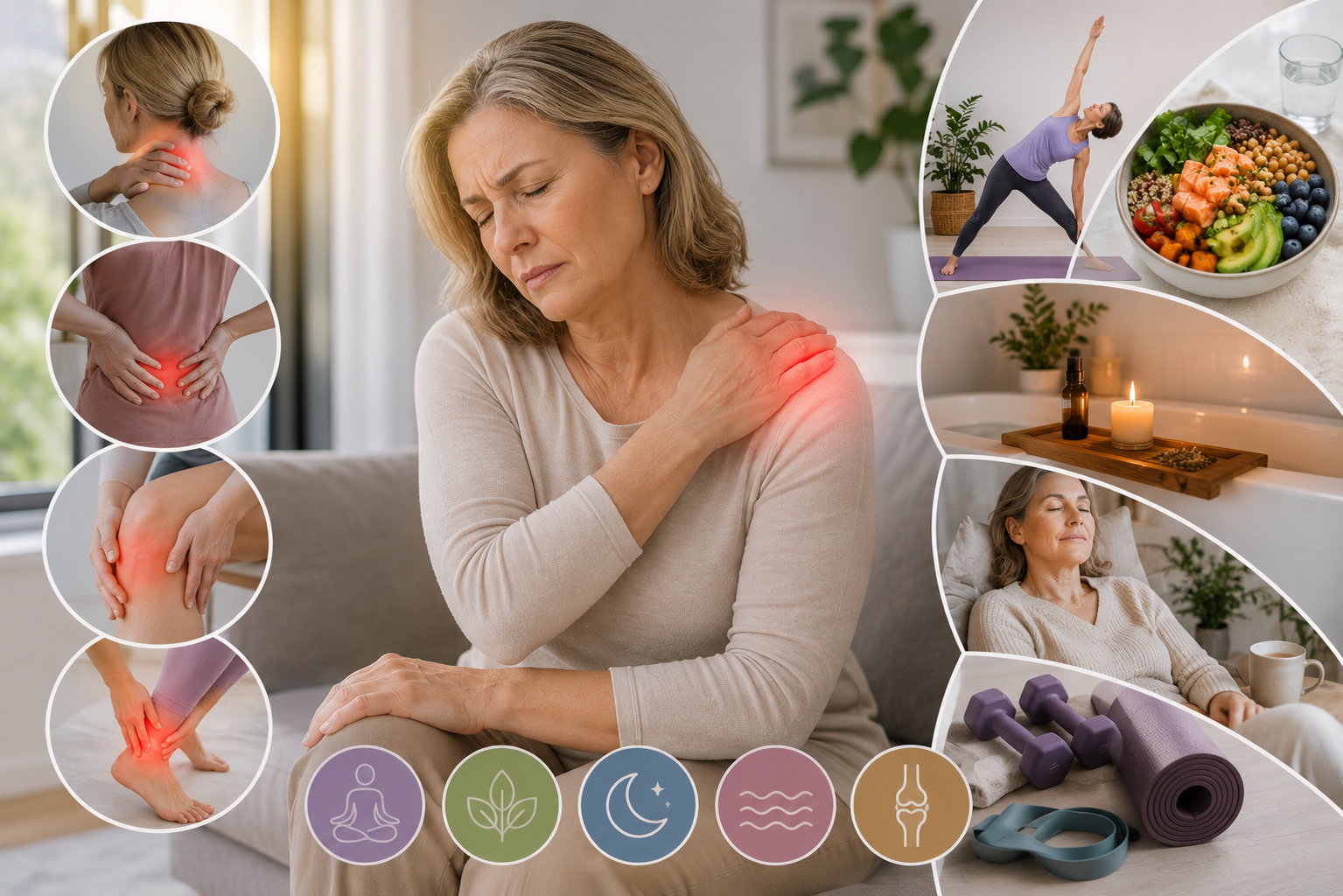

Many middle-aged women experience body aches and pains in their lower back, knees, hips, feet, hands, wrists, and head. Joint pain, muscle aches, soreness, and discomfort aren’t always linked to intense exercise or the flu. Hormonal imbalances could be an underlying cause of these body aches and pains during menopause. In fact, studies have shown a link between midlife and these symptoms, which may begin manifesting during perimenopause.
If you’ve been experiencing pain and discomfort in your late 40s and beyond, there’s no need to worry. Understanding the link between hormonal changes, pain signals, inflammation, tissue elasticity, and joint inflammation can help you take charge of your long-term health. As a trusted specialist Gold Coast menopause clinic, we offer unique insights that can help you achieve this goal.
This blog explains how to manage body aches and pains during menopause, helping you make informed decisions and gain long-term peace of mind.
The Physical Impact of Menopause
Musculoskeletal pain affects the joints, bones, tendons, ligaments, and nerves during menopause, potentially affecting women’s day-to-day activities and quality of life.
Scientific evidence suggests that perimenopausal and menopausal women are at a higher risk of experiencing these symptoms compared to their premenopausal counterparts. Postmenopausal women have the highest risk of developing hormone-related musculoskeletal pain.
Declining ovarian function leads to lower oestrogen and progesterone levels, triggering several physiological changes that impact bone and tissue health, including:
- Less flexible connective tissues.
- Decreased joint lubrication.
- The central nervous system (CNS) becomes more responsive to pain stimuli.
- Increased bone loss rates.
- Decreased muscle mass.
- Higher inflammation levels.
Typical Menopausal Body Aches and Pains
Middle-aged women experience different body aches and pains. As a dedicated online women’s health service, we encourage you to gain a deeper understanding of these discomforts so you can take proactive steps and experience long-term relief.
- Genitourinary pain: Hormonal changes during menopause can influence the urinary and reproductive systems. Lower oestrogen levels can lead to genitourinary syndrome of menopause (GSM), a condition that can cause pelvic pain, vaginal discomfort, and lower urinary tract irritation.
Some women experience hormone-related discomfort known as pelvic organ prolapse (POP). Hormonal shifts can also lead to the development of ovarian cysts, which can cause abdominal or pelvic pain.
Since these symptoms are similar to those of other health conditions, we encourage you to consult a reputable general practitioner on the Gold Coast who can clear up any confusion and offer tailored advice for long-term peace of mind.
- Back, shoulder, and joint pain: Shifting oestrogen levels during menopause can affect joint cartilage and affect the body’s inflammatory response, increasing the chances of musculoskeletal discomfort.
Many perimenopausal women experience lower back pain. Others develop rotator cuff pain and stiffness linked to frozen shoulder (adhesive capsulitis), which is associated with hormonal changes that limit mobility.
Shifting hormonal levels in menopause can also increase the risk of osteoarthritis and knee pain. Postmenopausal women are also at risk of developing rheumatoid arthritis, an autoimmune response that can cause pain, inflammation, and stiffness in the elbows and other smaller joints.
- Foot and heel pain: The female hormone oestrogen is critical to maintaining strong bones and connective tissue flexibility. Diminished oestrogen levels in menopause can lead to less elastic tissues, leading to osteoporosis and foot and heel discomfort.
Studies have shown that many menopausal women experience foot pain due to these hormonal shifts. They also have a high chance of developing plantar fasciitis, which is characterised by stiffness and inflammation in the foot’s sole.
- Tooth and jaw pain: Some menopausal women experience tooth and jaw pain linked to midlife hormonal changes, which can compromise saliva function and increase the likelihood of gingivitis (gum disease), cavities, and tooth pain.
Middle-aged women also have a higher risk of developing temporomandibular disorders (TMDs), which cause pain and discomfort in the jaw and facial muscles. These conditions manifest themselves through clicking sensations, jaw tenderness, and stiffness, potentially affecting jaw function and quality of life.
Coping Strategies for Body Aches and Pains During Menopause
If you’ve been experiencing body aches and pains during menopause, you’re not alone. Many women experience these discomforts during this challenging time.
There’s no need to worry because taking proactive steps, such as lifestyle changes and timely medical intervention, offer long-term relief and an improved quality of life. These coping strategies include:
- Regular exercise: Regular exercise, particularly strength training, can prevent muscle loss, improve bone mineral density, and relieve nagging joint pain associated with menopause.
As a trusted and experienced team of general practitioners on the Gold Coast, we recommend lifting weights and using resistance bands to preserve lean muscle mass and achieve optimal mobility in midlife and beyond. Many physicians recommend that menopausal women exercise moderately for 150 minutes every week. Including strength training and aerobic exercises, such as walking, biking, and swimming, often produce optimal results.
We recommend consulting your physician before starting a new exercise program to reduce the risk of injury, especially if you weren’t active in your younger years or are not used to strength training.
- Manage stress: Stress is a normal part of midlife. However, studies have shown that optimal psychological health and efficient stress management techniques can help menopausal women cope with body aches and pains.
Stress can worsen physical discomfort among menopausal women. As a reputable general practitioner on the Gold Coast, we recommend relaxation techniques, such as yoga, mindfulness, and deep breathing, to help manage stress and experience long-term relief. Alternatively, counselling, cognitive behavioural therapy (CBT), or peer support groups can help relieve musculoskeletal discomfort in midlife and beyond.
- Consider hormone replacement therapy (HRT): This intervention may help relieve menopausal aches and pains by addressing the hormonal shifts that lead to joint discomfort, muscle soreness, and increased pain sensitivity.
Declining oestrogen levels during menopause can lead to increased inflammation, reduced collagen production, and increased sensitivity to pain. Your general practitioner on the Gold Coast can restore your oestrogen levels, possibly reducing inflammation, supporting joint and connective tissue health, and improving your long-term quality of life.
HRT can also indirectly reduce menopausal body aches and pains by improving other midlife symptoms, such as poor sleep, fatigue, night sweats, and mood changes. Better sleep and reduced stress, in particular, help middle-aged women cope better with chronic discomfort.
It’s important to note that HRT is not a primary treatment for conditions such as osteoarthritis, rheumatoid arthritis, injuries, or other related health issues. Your physician can determine your specific issue and recommend further assessment.
Frequently Asked Questions (FAQs)
Why do joints hurt more during menopause?
Lower oestrogen levels can affect joint cartilage, connective tissues, inflammation, and pain perception, increasing the risk of body aches and pains during midlife.
When should I consult my doctor when dealing with body aches and pains during menopause?
We recommend consulting your physician if you develop symptoms, such as swelling, weakness, or fever, that affect your quality of life. Your doctor can recommend tailored solutions that offer long-term relief.
How can I manage my menopausal aches and pains?
Regular exercise, strength training, adequate sleep, stress management, and a balanced diet can help minimise discomfort and support long-term well-being.
Conclusion
Body aches and pains are common during menopause. Hormonal changes can affect different body parts and overall well-being. Taking proactive measures can help you overcome chronic discomfort and improve your quality of life.
While regular exercise, stress management, and healthy lifestyle habits can help relieve body aches and pains, persistent, severe pain should always be assessed by a reputable physician.
At Her Medical, we offer women in Australia dealing with body aches and pains support and tailored treatment plans that help them successfully manage their symptoms and experience improved comfort, mobility, and day-to-day living. Book an appointment today to speak with one of our general practitioners and experience long-term relief.