
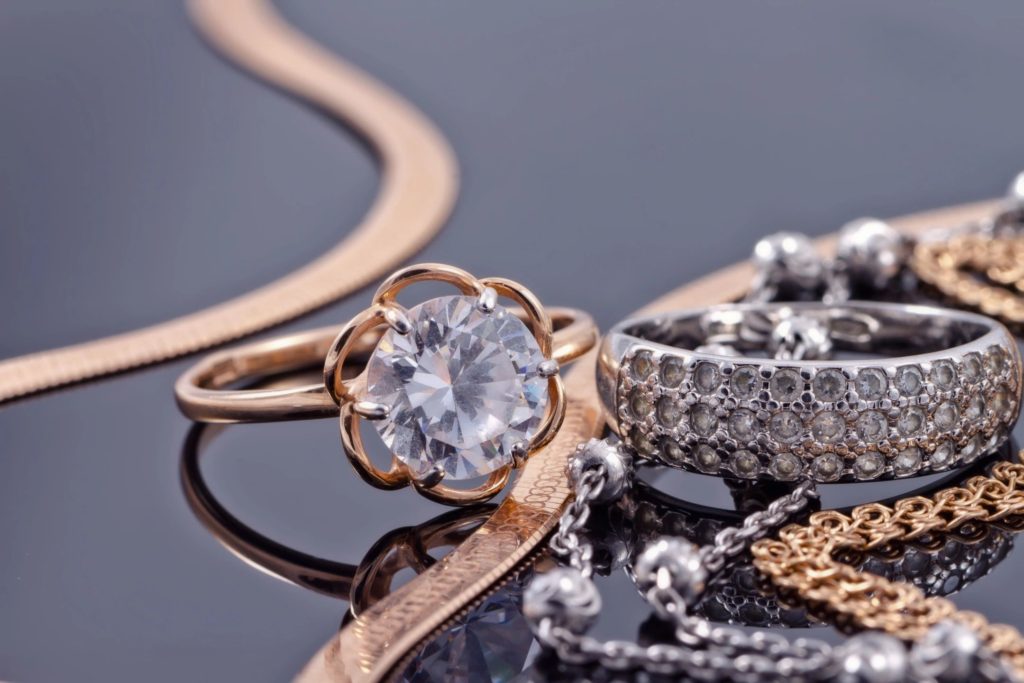

Metals that rise from the core of our planet carry legends that date back in antiquity. Just picture the allure of a golden necklace gracefully draping down a neckline or the reassuringly chilly weight of a platinum band enclosing a finger. These objects are more than just accessories; they are works of art that nature moulded and humans refined.
They stood for strength, love, and dedication. These metals still dazzle us with their brilliant allure as we stand at the nexus of modernity and tradition today. But how often do we take the time to really comprehend their essence?
Historical Fascination with Metals in Jewellery
Gold, the heavenly metal, was not just a sign of affluence in the scorching Egyptian deserts, but also of might and divinity. Queens and pharaohs would cover themselves in golden headdresses and amulets because they thought the metal had sacred and protecting qualities. But when we travel over the Mediterranean, we come across the Greeks, whose inherent artistic talent allowed them to turn metals into mythology. They thought that the very metals they used to adorn themselves were gifts from the gods, and that each one held a tale of a great love affair or a heroic conflict.
As time passes, the splendour of the Aztecs becomes more prominent. More than just decorative, their use of metals was symbolic and ritualistic. Metals weren’t just natural substances to them; they served as a conduit to the divine. The elaborate golden objects and ceremonial masks were not just examples of their skilled craftsmanship but also of their deeply held beliefs and relationship to the universe.
Now, one could ask how these ancient civilizations managed to achieve such perfection and creativity in their metallic products given our advanced modern techniques. Their clever processes for metal purification and shaping hold the key to the solution. For instance, the ‘fire refining’ technique was perfected by the ancient Egyptians. a process in which metals were heated in furnaces to remove impurities, isolate the pure, glittering essence, and shape it into beautiful forms. Even though it has been around for millennia, this practise still serves as an inspiration for modern metal refining techniques.
Additionally, the ancient Greeks possessed a special method of “lost-wax casting.” A procedure that baffles the modern mind because it is so careful and complex.
Beeswax moulds would be intricately carved, covered in clay, then heated until the wax melted and left a hollow mould. Then, molten metal was poured into this mould to create jewellery with unmatched beauty and craftsmanship.
The Science and Alchemy of Metals
- Gold and Silver: Nature’s Liquid Sun and Moon
Gold has its roots in the very stars and is frequently referred to be the liquid sun. These particles are created by supernovae and cosmic catastrophes. Gold found its way into the earth’s crust throughout aeons as our planet created, waiting to be found and used by humans. The shining relative of gold, silver, also travels on an ethereal path. These silvery motes, which were created in the blaze of dying stars, also made their way to our planet and gave us a bright counterpart to the night sky. After being extracted, both metals go through a purifying procedure. They are polished, smelted, and then poured into moulds to represent the heavenly ballet in concrete form.
- From Ore to Adornment
To imagine a large, rough rock transforming into a priceless piece of jewellery is awe-inspiring. These precious metals’ raw ores go through painstaking processes. To extract the valuable metal, they are crushed, ground, and then processed. The final shiny product shows the enormous labour of love that went into these processes. Each item, whether a straightforward engagement ring or a complex necklace, is a monument to both the abundance of nature and human skill.
- Platinum
Platinum is the most valuable metal in the world and is the epitome of rarity and elegance. It occurs 30 times less frequently than gold. Platinum is favoured by both jewellers and hobbyists due to its durability. It embraces gemstones with an embrace that lasts lifetimes since it is resistant to tarnish and corrosion. Its price reflects its rarity, making it a sign of unmatched prestige. You are not only wearing a metal when you wear platinum around your neck or on your finger; you are also wearing a piece of the cosmos, a piece of history, and a symbol of human creativity.
The Delicate Art of Alloying
If metals are the notes in the enormous symphony of jewelry-making, then alloying is the harmony that connects them to form a melodious piece. As admirers of beauty, we frequently find ourselves in awe by the sparkling beauty of our priceless possessions, rarely reflecting on the creativity and alchemy involved in their production.
Why Pure Metals Dwell Rarely in Their Pristine State
If you travel back in time, you will discover that pure metal jewellery was used by ancient civilizations. But as time went on, so grew the expectations for design, toughness, and desire. The malleability of pure metals, while lovely in their pristine charm, frequently proves to be their downfall. Imagine a pristine gold ring that gradually loses its shape and brilliance due to continuous usage.
This is where the skillful technique of alloying comes into play, demonstrating both contemporary invention and ancient knowledge.
Decoding the Karats: The Gold Standard
The purest form of gold, the eternal emblem of wealth, doesn’t always grace us. Instead, it frequently fuses with other metals to produce different karats. The word “karat” refers to both a measure of purity and a story of balance. The 24-karat gold is pure gold in all of its exquisite brilliance. As we move down the karat ladder, to 18, 14, or 10, gold joins with other metals like copper or silver to produce stronger pieces with a wider range of colours. This alloying creates a palette for designers to work with, enabling them to weave stories in rose gold, white gold, and other colours without sacrificing even the slightest bit of the metal’s inherent beauty.
Palladium’s Role in the Ballet of Metals
Palladium plays the unsung hero in the field of gold alloying, a little-known fact that many people are ignorant of. This precious metal, which belongs to the platinum family, has an airy whiteness. Palladium is gold’s transformational partner when it wants to shed its recognisable yellow hue and assume a shade of icy elegance. They work together to create the elegant white gold.
Metals and Symbolism
Metals have been more than just raw resources since the beginning of civilizations. They have been present for love affairs, kingly orders, and rites of passage. Gold was highly esteemed in ancient Egypt because they saw it as the sun’s bright body and a symbol of strength and eternities. The moon, a universally recognised emblem of purity and reflection, and silver were frequently associated.
It’s remarkable to see how these symbols have altered over time, even if their fundamental meaning hasn’t changed. These metals have always been potent communicators, whether they were lavishly displayed at royal courts or delicately worn by a maiden in love.
Metals as Mirrors to our Emotions
Metals reflect our deepest feelings rather than just acting as indifferent observers. For instance, consider platinum. Because of its scarcity and toughness, it serves as the ideal symbol for eternal love.Like the unbreakable tie shared by soulmates, it doesn’t tarnish or deteriorate. Platinum is a promise of eternal life, not just a material.
Silver, on the other hand, is typically a sign of new beginnings because of its vivid and shiny lustre. Whether it’s a tiny anklet for a bride or a silver locket given as a present at birth, this metal bears witness to hope, dreams, and new beginnings.
Cultural Nuances and Nurtured Traditions
Metals and rituals have a deep and long-standing relationship. Giving neonates silver anklets is not merely customary in various Southeast Asian cultures; it is also seen as a blessing and a sign of prosperity, protection, and purity. Such anklets are more than just decorative items; they represent the community’s sincere desires for its smallest citizen.
Other cultures view gold coins as a sign of wealth, prosperity, and a promising future when they are scattered in a bride’s path or woven into her clothing. These customs highlight the intricate connection between metals and the significant events in our lives, transforming them from simple ornaments into bearers of both societal aspirations and personal goals.
Metal Brilliance Enhancement Techniques
- Filigree
It makes me think of metal-written poetry when I see filigree. This ancient but ageless technique includes creating exquisite designs out of thin threads made of gold, silver, or other metals. These designs exude beauty whether they are made as solo pieces or soldered onto a base. The strength and malleability of metals are both demonstrated by filigree. Light glides through the openwork of filigree jewelery as it kisses it, the metal’s polished grace is demonstrated by the ethereal glow it produces.
- Chasing
Using the chasing technique, the artist chisels low-relief patterns onto the metal’s surface. It’s an intricate game of depth and dimension that highlights the metal’s inherent brightness. A chased piece should be held up to the light. Watch how the shadows and highlights interact; this is a demonstration of the craftsman’s mastery at using dimension to highlight the beauty of metal.
- Repoussé
Repoussé is the art of sculpting metal from the reverse, and it gets its name from the French verb “repousser,” which means “to push back.” Chasing provides depth, repoussé provides height, and the two are frequently combined to produce designs that seem to jump out. Each bulging and raised design is a representation of the innumerable hammer blows and labour of love that transform ordinary metal into something extraordinary.
Sustainability and Ethical Metal Sourcing
Unquestionably alluring, the sparkle of a necklace or the shimmer of a bracelet couldn’t compare to the unequalled lustre that only metals from ethical and sustainable sources can provide. Knowing that the beauty you wear embodies a heritage of care, responsibility, and respect gives off a dazzling glow of conscious luxury.
The Renaissance of Conscious Luxury
The world of jewellery has undergone a notable transformation recently. A commitment to our planet and its inhabitants is now expertly weaved into the attraction of gleaming stones and metals. As consumers of this art, it is now our common responsibility to support this initiative by making sure that each item we wear or give was made with love—not just for the art, but for the entire world.
Marks of Ethical Sourcing
The world of ethical jewellery can initially appear to be difficult to navigate, yet with a keen eye, one can spot the characteristics of metals that have been sourced ethically:
- Certifications:: Look for seals or certifications from reputable organisations, such as the Fairmined Gold Standard or the Responsible Jewellery Council (RJC). These certifications guarantee that the metal was sourced ethically and in accordance with human rights.
- Transparency: Companies dedicated to ethical sourcing frequently share their sourcing process. They give information about their supply chains, making sure each stage is open and accountable.
- Community Participation Metals with ethical origins frequently come from mining communities that are given access to fair salaries, secure working conditions, and career prospects. Engaging with companies that support these communities directly contributes to their improvement.
The Art of Metal Recycling
Nothing genuinely ends in nature’s never-ending cycle; everything only changes. In a similar spirit, the age-old practise of recycling metal into jewellery is attracting increasing interest. Craftsmen give what was once seen as trash new life by using metals from vintage items or leftover jewellery, transforming it into a creative masterpiece.
This practise has already been adopted by reputable brands, setting the example for others to follow. By purchasing items from these firms, you don’t simply acquire a work of luxury; you also contribute to a lasting legacy.
Tips for Caring for Your Precious Metal Jewellery
Your prized metal custom made jewellery also yearns for loving love and care to preserve its unfading brightness, just as the best symphonies demand the delicate touch of an accomplished maestro. Every item you own, whether it be an heirloom handed down through the years or a contemporary masterpiece you just bought, tells a story of beautiful craftsmanship and the magnificence of nature. They also require careful consideration, just like any precious and uncommon things.
Ensuring Longevity
Your jewelry’s timeless appeal is influenced by how well you take care of it as well as its intrinsic quality. Metals are vulnerable to environmental whims, especially the finer metals. A safe haven away from excess dampness, chemicals, and sharp objects can act as a shield to safeguard your jewelry’s aesthetic appeal. Each piece may avoid scratches and keep its exquisite condition by being stored separately in soft pouches.
Simple DIY Cleaning Tips
Every metal has a different temperament, which leads to a different cleaning procedure. The symphony here takes on a deeply personal quality:
- Gold: Put your precious jewels in a solution of warm water and mild dish soap. For those fine patterns, gently swish and use a soft-bristle brush, then rinse and pat dry with a soft cloth.
- Silver: Silver frequently wants a little bit more care. Its captivating brilliance can be restored by applying a solution of baking soda and water with a delicate cloth. Dry off after a good rinse.
- Palladium and platinum: Even though their fortitude is renowned, a light brush and some soapy water can go a long way towards preserving their heavenly radiance. Remember that each cleaning session is more than simply maintenance; it’s also an opportunity to refresh your relationship with your jewellery and have a private dialogue.
When to Opt for Professional Cleaning
Even while your tender care is wonderful, there are times when the skill of a skilled jeweller is required, especially for items with complicated settings, precious stones, or those with sentimental value. Annual inspections may guarantee that the metal’s brilliance is unaltered, the settings are safe, and the gemstones are brilliant.
A Kept Secret: Chalk in the Jewellery Box
A simple, frequently ignored keeper of the brilliance of your jewels is a bit of chalk. It isn’t magic, but it comes close. When placed in your jewellery box, chalk absorbs moisture, protecting your prized possessions from corrosion. A modest deed, yet one that expresses your dedication to upholding beauty.
Wrap Up!
In the world of precious metals, care is a testament to the legacy, artistry, and emotion embodied in each item as well as a matter of preservation. The dance between the wearer and the worn is one of love and respect. Keep in mind that by taking good care of your metallic treasures, you are not only preserving their beauty but also paying tribute to the histories they hold.
Contact Finelines Jewellers today, a Gold Coast jewellery store for splendid handmade jewellery pieces for all occasions.