

Bowel problems can be awkward to talk about, but they are far more common than most people realise. If you have trouble controlling bowel motions, feel like you cannot fully empty your bowel, strain often, or deal with ongoing constipation or leakage, there may be more going on than diet, stress, or ‘just getting older’.
One possible cause is anorectal dysfunction. That simply means the muscles, nerves, and coordination around the anus and rectum are not working as well as they should. These parts of the body help you hold on, recognise when you need to go, and empty your bowel properly. When that system is not working smoothly, bowel habits can become unpredictable, uncomfortable, or distressing.
The good news is that anorectal dysfunction can be investigated. With the right testing, colorectal surgeons and diagnostic teams can better understand what is happening and guide you towards suitable treatment.
What Does Anorectal Dysfunction Mean?
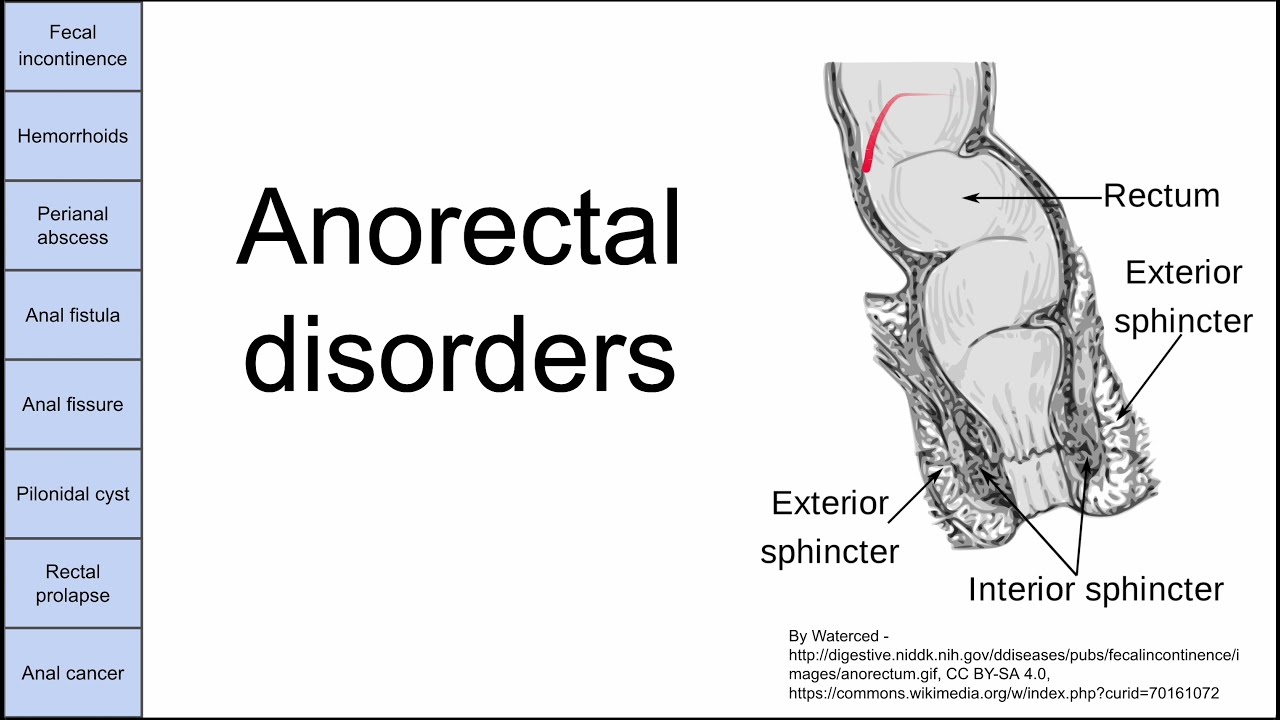
The anorectal area includes the rectum, which stores stool before you go to the toilet, and the anus, which helps control when stool passes. This area relies on muscles, nerves, sensation, and timing.
When everything works well, your body can tell the difference between gas and stool, hold on when needed, and empty the bowel without excessive straining. When something in this system is not working properly, you may experience bowel leakage, constipation, urgency, incomplete emptying, or difficulty controlling wind.
Anorectal dysfunction is not one single condition. It is a broad term used when the lower bowel, pelvic floor, anal sphincter muscles, or related nerves are not working as they should.
Common Signs You May Have Anorectal Dysfunction
Symptoms can vary from person to person. Some people experience mild changes, while others find their bowel symptoms affect daily life, work, exercise, travel, and confidence.
You may need further assessment if you regularly experience:
- Bowel leakage or accidents
- Difficulty holding in stool or wind
- Sudden urgency to open your bowels
- Ongoing constipation
- Straining even when stool is soft
- A feeling that the bowel has not fully emptied
- Needing to return to the toilet soon after going
- Pain or pressure around the rectum
- Difficulty sensing when you need to pass stool
- A change in bowel control after childbirth, surgery, injury, or illness
These symptoms do not automatically mean something serious is wrong. However, they are signs your bowel function deserves proper attention.
Why People Often Delay Getting Help
Many people put up with bowel symptoms for months or even years before seeking help. Some feel embarrassed. Some assume it is normal after having children, ageing, or dealing with other health conditions. Others try to manage it quietly with pads, diet changes, laxatives, or avoiding certain situations.
But bowel dysfunction is a medical issue, not a personal failing. It can also have many possible causes, which is why guessing is rarely useful.
The Continence Foundation of Australia reports that 1 in 30 people in Australia have experienced bowel incontinence, while 1 in 3 people over 15 experience some form of incontinence. That means you are not alone, even if it feels like no one talks about it.
What Can Cause Anorectal Dysfunction?
Anorectal dysfunction can develop for several reasons. Sometimes there is one clear cause. Other times, several factors contribute.
Common causes include:
- Childbirth-related muscle or nerve injury
- Previous bowel, rectal, or pelvic surgery
- Chronic constipation
- Repeated straining
- Age-related muscle changes
- Nerve conditions
- Pelvic floor weakness or poor coordination
- Rectal prolapse
- Inflammatory bowel disease
- Diabetes-related nerve changes
- Radiation treatment to the pelvis
- Trauma or injury
In some people, the muscles may be weak. In others, the muscles may be too tight or may not relax at the right time. This is why testing matters. Two people can have similar symptoms but need very different treatment.
When Should You Seek Medical Advice?
You should speak with a GP or specialist if your bowel symptoms are ongoing, worsening, or affecting your quality of life. You should also seek advice if symptoms started after childbirth, surgery, a fall, or a major health event.
Do not ignore red flags such as bleeding from the bowel, unexplained weight loss, severe pain, a sudden major change in bowel habits, black stools, or symptoms that wake you at night. These symptoms need prompt medical review.
For ongoing control, emptying, or constipation issues, your GP may refer you to colorectal surgeons or a specialist diagnostic service such as colorectal diagnostics for further investigation.
How Is Anorectal Dysfunction Diagnosed?
Diagnosis usually starts with a conversation about your symptoms, medical history, bowel habits, medications, childbirth history, and any previous surgery or injuries. A physical examination may also be recommended.
From there, your doctor may suggest anorectal physiology testing. This is a group of tests that checks how well the muscles and nerves around the anus and rectum are working. These tests are used to assess the function of the rectum and anus, commonly for symptoms such as faecal incontinence and constipation.
These tests may assess:
- Muscle strength at rest
- Muscle strength when squeezing
- How the rectum senses fullness
- Reflexes involved in bowel control
- How well the muscles relax when trying to empty
- Whether there may be nerve-related weakness
- Whether the structure of the anal sphincter has been affected
Testing helps move the conversation from ‘I have bowel problems’ to ‘this is what is causing them’.
What Happens During Anorectal Physiology Testing?
Many people feel nervous before testing because of the private nature of the symptoms. That is completely understandable. A good diagnostic team will explain the process clearly, protect your dignity, and make the test as comfortable as possible.
The exact tests may vary depending on your symptoms and referral. Some services use a small, flexible tube to measure pressure in the anus and rectum. You may be asked to squeeze, relax, cough, or bear down gently. Other tests may check sensation, nerve function, or muscle structure.
The aim is not to make you uncomfortable, but to understand how your bowel control and emptying system are working so your doctor can recommend the right next steps.
What Treatment Options May Be Recommended?
Treatment depends on the cause. This is why diagnosis comes first.
Options may include:
- Bowel habit changes
- Fibre or fluid adjustments
- Medication changes
- Pelvic floor physiotherapy
- Biofeedback therapy
- Treatment for constipation or diarrhoea
- Management of rectal prolapse or haemorrhoids
- Surgical repair in selected cases
- Ongoing care with colorectal surgeons when needed
For some people, small changes make a noticeable difference. For others, symptoms need a more structured plan. Either way, proper testing can reduce the guesswork.
Why Accurate Diagnosis Matters
Bowel symptoms can feel confusing because the same symptom can have different causes. For example, leakage can happen because the muscles are weak, stool is too loose, constipation is causing overflow, or sensation is reduced. Constipation can happen when stool is hard, but it can also happen when the pelvic floor muscles do not relax properly.
An Australian primary care survey published in Colorectal Disease (Volume 17, Issue 2) found that 12.1% of participants experienced faecal incontinence. This highlights why bowel control issues should be treated as a health concern worth investigating, not something to endure quietly.
Without testing, treatment may miss the real cause. With anorectal physiology testing, your care team can better understand whether the issue is related to strength, sensation, coordination, nerves, or structure.
Preparing to Talk About Your Symptoms
Before your appointment, it can help to write down what has been happening. You do not need perfect medical wording. Simple notes are enough.
Track things like:
- How often you open your bowels
- Whether stool is loose, hard, or variable
- Whether you leak stool or wind
- Whether you feel urgency
- Whether you strain
- Whether you feel fully empty afterwards
- How long symptoms have been happening
- Any childbirth, surgery, injury, or health changes linked to the symptoms
This information can help your doctor see patterns and decide whether referral for diagnostic testing is appropriate.
Take Bowel Symptoms Seriously, Not Shamefully
Anorectal dysfunction can affect comfort, confidence, relationships, work, and daily routines. It can make people plan their lives around toilets, avoid travel, or feel anxious in social situations. But help is available, and diagnosis is often the first step towards regaining control.
If you are experiencing ongoing bowel leakage, constipation, urgency, or difficulty emptying, speak with your GP about whether specialist assessment is needed. Colorectal surgeons can conduct colorectal diagnostics and anorectal physiology testing to help identify the cause of bowel dysfunction and guide you for the next stage of care.