
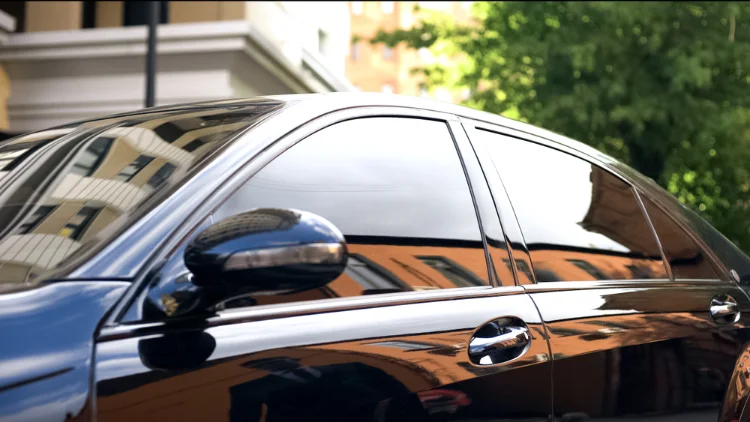

Understanding the science behind window tint enables customers to fully enjoy its benefits and appreciate its long-term value. Whether it’s a car, a shop, or a home, this innovation not only reduces solar heat but also offers a high return on investment.
If you’re considering window tinting for your vehicle, home, or office, we can help you take the first step. As a trusted provider of decorative window tinting solutions in Brisbane and surrounding neighbourhoods since 1979, our expertise enables you to make informed purchases.
This blog explains the science behind window tinting, helping you improve your quality of life and achieve long-term satisfaction.
How Window Tint Works
Window tints are composed of several thin, treated film layers with premium dyes and metallised particles. These film layers, which either block or absorb light wavelengths, include the following:
- Adhesive layer: This layer firmly bonds the film to the glass while preventing bubbling and peeling.
- Polyester base layer: Manufacturers place this layer above the adhesive layer, providing strength and flexibility while maintaining optical clarity (the quality of being transparent). It’s a premium layer that can endure UV rays and cracking.
- Metallised layer: Manufacturers embed this layer on top of the polyester base layer. Composed of aluminium, nickel-chromium alloys, or silver nanoparticles, the metallised layer blocks infrared radiation, enhancing the safety and comfort of your residential, commercial, or vehicular interior.
Contractors apply tints to car, home, or office windows using premium adhesives, ensuring a durable bond that lasts up to 15 years. The film reflects or absorbs light as it hits the window, reducing light, solar energy, and UV rays in a room or vehicle by as much as 90%. Homes, offices, or vehicles without tints will accumulate significantly more light and heat, compromising long-term comfort.
Premium window films’ metal or metal oxide nanoparticles shield harmful UV rays and heat, absorbing the sun’s heat and redirecting it as safe heat. Their ceramic nanoparticle layer within the polyester matrix offers superior UV and heat resistance. Unlike metallic layers, ceramic layers don’t interfere with radio signals, allowing establishments relying heavily on radio frequency to operate smoothly.
Ceramic-infused films ensure clarity with minimal darkening, making them ideal for areas where local laws prohibit dark tinting. The scratch-resistant top coating acts like an insurance policy, ensuring long-term use and visual appeal.
The several types of window tints work in similar ways:
- Dyed window tints: These tints minimise light penetrating windows. However, dyed window tints reduce heat by only 30% to 45% of total solar heat energy and not as much as ceramic or carbon types.
- Metallised window tints: Metal nanoparticles in this tint film reflect light and UV rays, reducing heat and glare while maximising privacy. Thus, offices, medical and healthcare facilities, retail stores, hospitality venues, homeowners, banks and financial institutions, universities, and other clients emphasising privacy benefit from metallised window tints.
- Ceramic window tints: These premium window tints significantly reduce heat and block UV and infrared rays, safeguarding inhabitants’ health and peace of mind.
- Hybrid window tints: As the term suggests, these window tints combine several materials, including polyester (PET) film base, dye layers, metallic particles, and protective top coating, to make them more affordable. Not only do they reduce heat and glare, but they also resist fading better than dyed window tints.
- Carbon window tints: Customers love them for their heat-reducing properties and visual appeal, transforming abodes into stylish indoor spaces. Thanks to their vibrant, resilient matte finish, carbon window tints enhance long-term comfort and elegance, ensuring a high return on investment.
The Shared Science Among Window Tinting Types
Whether installing window tinting for your home, office, or vehicle, their benefits reflect the science behind how they work:
Reduce solar heat
Solar radiation, including visible light, UV rays, and infrared heat, contributes to high temperatures in your home, office, or vehicle. Premium window films reduce solar radiation and heat transfer through the glass, reflecting and absorbing infrared rays.
Thus, you experience cooler temperatures in your home, office, or vehicle. Moreover, the reflective coatings of some window films bounce sunlight, preventing heat accumulation.
Block UV rays
Harmful UV rays can deteriorate fixtures and flooring. Overexposure also increases the risk of skin cancer. Taking proactive steps, such as installing window tint, can prevent these scenarios and ensure peace of mind.
The science behind window tint involves blocking up to 99% of UV rays, preserving your furniture and flooring. These applications also prevent premature skin ageing and skin cancer, safeguarding your long-term health.
Control vehicle glare
Tinted windows control how much light enters and soften harsh reflections, significantly minimising accidents and enhancing road safety.
Tinted films absorb and reflect a portion of harsh sunlight, reducing brightness and eye strain. They also balance light contrast inside the vehicle, enabling drivers to see clearly. Finally, window tints block UV and infrared rays, significantly reducing heat, glare, and discomfort.
Enhance energy efficiency
Window tinting reduces heat, enhances comfort, and minimises reliance on cooling systems, lowering monthly energy bills and improving energy efficiency.
Window films reduce heat permeating windows by blocking solar radiation. Some films have premium insulation properties, preventing heat loss during autumn and winter.
Regulate visible light transmission (VLT)
VLT is the amount of visible light that can penetrate windows. It’s an essential consideration for many homeowners because it affects their indoor comfort and outside visibility.
High-VLT films allow more natural light to permeate interiors while blocking UV rays and infrared radiation, making them ideal for homeowners prioritising daylight. On the other hand, low-VLT times enhance privacy and reduce glare, managing light levels efficiently.
Conclusion
Understanding how window tint works allows homeowners, businesses, and vehicle owners to make an informed purchase. These applications have several layers that enhance durability, provide optimal clarity, and improve road, commercial, and home safety. Whether you prefer metallised, dyed, ceramic hybrid, or carbon window tinting, each option can meet your unique needs, reduce solar heat and UV rays, and deliver a high return on investment.
Take the first step in your window tinting journey. Since 1979, Express Tinting has been the trusted home, office, and car tinting provider of numerous customers in Brisbane and surrounding neighbourhoods. Join our clients who have expressed 100% satisfaction with our premium window tinting solutions.
Contact us to book an appointment, schedule an on-site inspection, get a quote, and discover cost-effective window tinting solutions that deliver guaranteed results.