
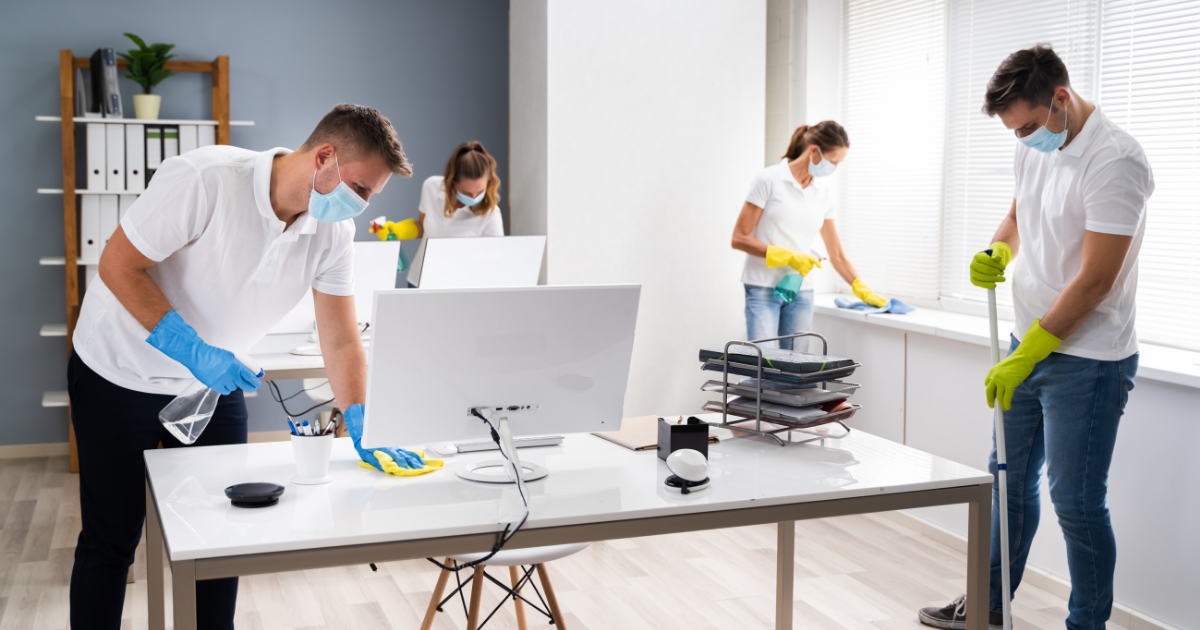

A tenant renewal is coming up, or maybe you’ve just moved into a bigger floor and need a cleaning contract sorted before the team arrives. Either way, you’ve probably typed “office cleaning cost” into Google and found page after page of vague answers. There’s a reason for that: pricing genuinely depends on your building, not a national average, so a single number would be misleading anyway.
What follows is a practical rundown of the variables that set the price, the kind of ranges Queensland businesses typically see, and how to read a quote so you know exactly what you’re paying for.
The Main Cost Drivers
Floor area is the starting point for almost every quote — more square metres means more labour hours, plain and simple. From there, frequency matters just as much: a site cleaned five nights a week costs more overall than one serviced twice weekly, even if the per-visit rate looks similar.
The nature of the space also counts. A single-tenancy office with one kitchen and one bathroom is a faster job than a multi-tenant floor with several amenity areas, a boardroom, and a busy reception. Specialist surfaces — timber floors, glass partitions, high-pile carpet — can add time too, since they need different techniques than a standard vacuum-and-wipe routine.
What Queensland Businesses Typically Pay
Most Queensland providers quote either per square metre per month or per visit, depending on how the contract is structured. Smaller tenancies serviced a couple of times a week generally land toward the lower end of the market, while larger floors with nightly cleaning and multiple amenity areas sit higher. One-off jobs — end-of-lease cleans, post-renovation cleans, or periodic window and carpet care — are almost always quoted separately from the ongoing contract rate.
If two quotes for a similar-sized office are wildly different, the gap is rarely about one company being more efficient. It’s usually about what’s actually included.
Why the Same Job Gets Different Prices
Queensland businesses aren’t short of options here. Across the country there are more than 44,000 businesses operating in the commercial cleaning services industry, and the sector has grown at a steady clip over the past five years. That much competition keeps pricing sharp, but it also means the gap between a well-run operator and a bare-bones one shows up fast once you compare scopes side by side.
A cheaper quote can mean shorter time on site, fewer staff per shift, or consumables and equipment charged as extras rather than bundled in. None of that is necessarily a problem — but you want to know it upfront, not discover it three months into the contract.
Reading a Quote Properly
A solid quote sets out the cleaning frequency, the exact tasks covered each visit (bins, desks, kitchen, bathrooms, floors), and how periodic extras are handled. It should say clearly whether consumables like soap, toilet paper, and bin liners are supplied, and what an ad-hoc extra clean would cost if you ever need one outside the regular schedule.
Carpets are one of the most commonly overlooked line items. Routine vacuuming keeps them presentable day to day, but a proper office cleaning service on the Gold Coast for deeper periodic care is typically quoted as an add-on, so check whether it’s built into your contract or billed separately when it’s due.
Choosing on Value, Not Just Price
The lowest quote isn’t automatically the best deal once you factor in missed spots, staff turnover, or surprise call-out fees. It’s fair to ask a provider how long they’ve worked in your area, whether you’ll get the same cleaning team each visit, and how they check their own work.
Sticking with a well-established Gold Coast commercial cleaners that’s transparent about scope and pricing usually works out cheaper over a year than chasing the lowest bidder every time your contract comes up for renewal.
The Bottom Line
Office cleaning costs in Queensland come down to floor size, cleaning frequency, and the specific scope of work — not a fixed market rate. Before signing anything, get each provider to itemise exactly what’s covered. That’s the quickest way to tell a genuinely competitive quote from one that will cost more once the extras are tallied up.
Frequently Asked Questions
What’s the biggest factor in office cleaning pricing?
Floor size and cleaning frequency together drive most of the cost. A larger office cleaned more often will always cost more than a small space serviced once or twice a week.
Are consumables like soap and bin liners usually included?
It varies by provider, which is why it’s worth checking. Some contracts bundle consumables into the monthly rate, while others bill them separately or leave restocking to the client.
How often do Queensland offices typically get cleaned?
Two to five times a week is common, depending on staff numbers and foot traffic. Client-facing offices or those with a busy kitchen often opt for daily servicing.
Should I sign with the lowest quote I receive?
Not without checking inclusions first. Compare frequency, tasks covered, and consumables across quotes, since a low headline price can hide extras billed later.
Is carpet care part of a standard cleaning contract?
Usually not. Regular vacuuming is standard, but deeper periodic carpet cleaning is typically scheduled and quoted separately based on traffic and flooring type.