
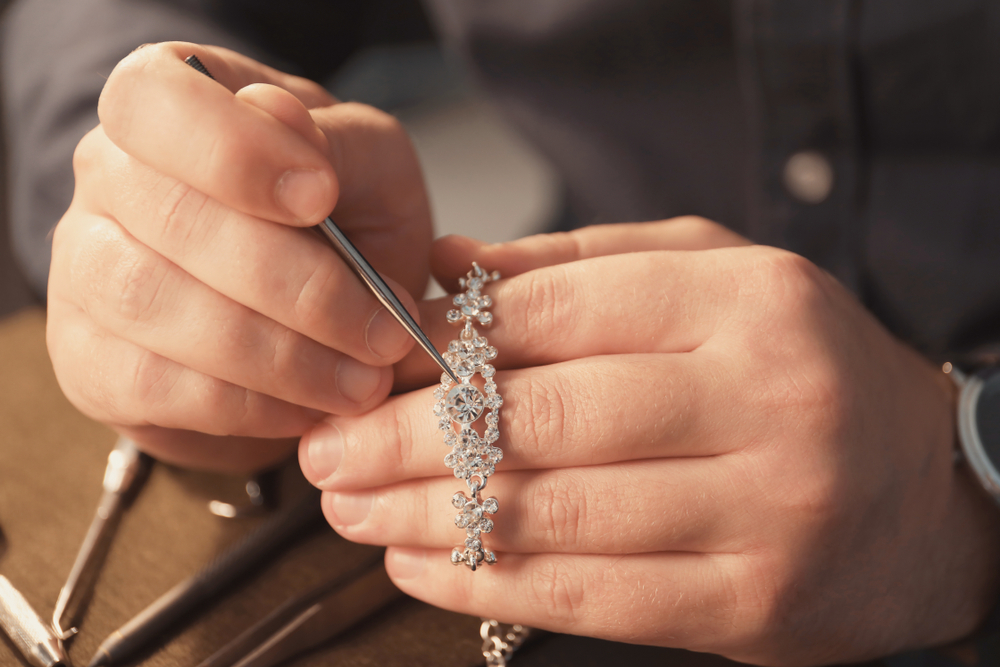

The allure of handmade jewelry extends far beyond mere adornment; it is a celebration of individuality, a testament to the craftsmanship of artisans who invest considerable time and dedication to craft pieces that are not just accessories but reflections of personal stories. This artistic form is a rich tapestry, weaving together age-old techniques with contemporary designs, offering a unique experience for each wearer.
The Intricacies of Handmade Jewelry
Within the pages of this blog, you will uncover the diverse types of handmade jewelry, each possessing a distinct charm. We will delve into the techniques, ranging from foundational to intricate, that breathe life into these creations. Whether it’s the detailed artistry of filigree, the bold statements made by contemporary designs, or the ethical considerations of materials, a captivating world awaits exploration.
Yet, this journey goes beyond admiration; it’s about comprehending what makes these pieces extraordinary. Learn how to preserve your handcrafted treasures, ensuring they maintain their timeless allure, much like the moments they are meant to commemorate. For those inspired to create, we will share a simple DIY technique to ignite your creative spirit.
Handmade Jewelry: An Expression of Self
Wearing handmade jewelry isn’t just about embellishment; it’s about embracing a story—a narrative etched in metal and stone. What elevates these pieces beyond mere accessories?
Craftsmanship Unveiled
Visualize a skilled artisan at their workbench, meticulously sculpting a piece of metal. Each curve, each stone is placed with a precision that machines in mass production can’t emulate. Handmade jewelry stands apart, emphasizing uniqueness and individuality, a stark contrast to the one-size-fits-all approach of mass-produced pieces. It’s about the human touch, a concept often overshadowed in mass production.
Stories Woven into Each Piece
Every piece of handmade jewelry carries its own story. Consider the artisan, mastering their craft over years and passing down techniques through generations. Crafting is not a replication of a template; it’s a manifestation of heart and soul. The emotional investment is palpable to the wearer, creating a connection that transcends aesthetics.
Personal Touch and Emotional Bond
Handmade jewelry reflects the personality and emotions of its maker. Choosing a handmade piece involves not just selecting jewelry but acquiring a fragment of the artisan’s personal journey. It becomes a wearable connection, intertwining the story of the artisan with that of the wearer.
Celebrating Skill and Tradition
Behind every twist of wire and every polished gemstone lies a skill honed through years of dedication. Handmade jewelry is a celebration of this skill and tradition, a testament to the patience and commitment of artisans who ensure that each piece is crafted with unparalleled care and attention to detail.
Exploring the Rich Diversity of Handmade Jewelry
Traditional Techniques and Their Contemporary Flourish
- Filigree
Envision the meticulous art of filigree, where metal threads intertwine to form intricate lace-like patterns. Originating from ancient Mesopotamia, this age-old technique gracefully evolves, incorporating contemporary designs that harmoniously blend the old with the new.
- Enamelling
Once a symbol of wealth, enamelling involves fusing powdered glass to metal, creating vibrant, colorful designs. The heat of the kiln transforms raw materials into a glossy finished product. Modern enamelling explores abstract forms and unorthodox patterns, pushing the boundaries of this ancient art.
- Granulation
Dating back to the ancient Etruscans, granulation involves fusing tiny beads of metal to create detailed patterns. In contemporary jewelry, it’s employed in a minimalist way, adding texture and depth to simple, elegant designs.
Innovative Styles and Materials
- Sustainable Materials
A noticeable trend in unique jewelry is the use of sustainable materials. Artisans are increasingly turning to recycled metals and ethically sourced gemstones, ensuring beauty doesn’t come at the cost of the environment.
- 3D Printing
Revolutionizing jewelry making, 3D printing allows for intricate designs that would be impractical or highly time-consuming by hand. It seamlessly blends tradition and technology, opening new realms of creative possibilities.
In conclusion, handmade jewelry encapsulates a story, a journey of imagination, craftsmanship, and a personal touch that sets it apart in a world dominated by mass production. It’s more than an accessory; it’s a wearable piece of art that resonates with your essence, carrying a fragment of the artisan’s soul. As we unravel the intricacies of types, techniques, and the stories behind them, you’ll find yourself not just wearing a piece of jewelry but carrying a part of the art and soul that went into its creation.
Exploring the Cultural Tapestry Woven into Handmade Jewelry Designs
Handmade jewelry stands as a vibrant reflection of diverse cultures, with each piece narrating a unique origin story. Whether inspired by the bold, geometric shapes of African art, the intricate carvings reminiscent of Indian craftsmanship, or the sleek, minimalist designs influenced by Scandinavian aesthetics, these cultural nuances transform each piece into more than just an accessory – they become the catalyst for engaging conversations.
The Artistry of Material Curation
In the realm of handmade jewelry, the selection of materials goes beyond mere aesthetics; it embodies your story, values, and the legacy you choose to carry. Navigating this realm leads you to a crossroads between the allure of natural and synthetic materials, with each path offering its distinctive charm and message.
Natural vs. Synthetic: A Confluence of Choice and Allure
Natural materials, such as gemstones and metals, have served as the cornerstone of jewelry-making for centuries. Their allure lies not only in their inherent beauty but also in their unique imperfections. Each natural gemstone possesses its set of quirks, akin to the individuality you embody. Precious metals like gold, silver, and platinum, esteemed for their durability and luster, symbolize everything from wealth to eternity.
In contrast, synthetic materials offer a different allure. Modern technology has empowered us to create materials that mimic natural ones, often at a fraction of the cost. These alternatives are not only budget-friendly but also ensure consistency in color and form, providing a uniformity that natural materials may not always guarantee.
Ethical Sourcing in a World Embracing Sustainability
In today’s world, where sustainability and ethics play pivotal roles, the importance of ethically sourced materials in jewelry-making cannot be overstated. Opting for ethically sourced materials means adorning yourself with a piece that not only radiates beauty but also carries a narrative of responsible sourcing and fair trade practices.
This choice extends beyond the material itself, encompassing support for the communities involved in material sourcing. Opting for jewelry made with ethically sourced gemstones or metals is more than a fashion statement; it’s a deliberate expression of your values.
Your Impact in the Chain of Sustainability
As a jewelry aficionado, your choices wield considerable influence on the industry. Choosing jewelry made with ethically sourced materials encourages artisans and manufacturers to adopt sustainable practices, contributing to environmental preservation and supporting the livelihoods of communities involved in the sourcing process.
Decoding the Art of Jewelry-Making Techniques
Casting, soldering, and wire wrapping – familiar terms, but do you truly grasp the magic they weave?
- Casting
Many jewelry pieces embark on their transformative journey through casting. Molten metal is delicately poured into a mold, embracing its form as it cools and solidifies. Picture the enchanting process of turning liquid silver or gold into a captivating engagement ring or pendant – that’s the essence of casting.
- Soldering
Consider soldering the art of joining. Metal pieces intricately come together using a filler metal, akin to solving a puzzle by connecting different elements to form a harmonious whole.
- Wire Wrapping
As intricate as its name implies, wire wrapping involves delicately bending wire around stones or components, creating intricate designs that dance between metal and gem, captivating the beholder.
Advanced Techniques
- Lost-Wax Casting
This ancient method is a fusion of science and art. A wax model is meticulously crafted, encased in a heat-resistant material, and then subjected to molten metal. As the wax melts away (hence ‘lost-wax’), a detailed mold emerges, resulting in exquisite detail.
- Pavé Setting
Pronounced ‘pa-vay,’ this technique involves setting small stones closely together, creating a surface ‘paved’ with gemstones. It’s a testament to the jeweler’s skill, demanding a steady hand and a keen eye for detail.
- Try It Yourself
For a hands-on experience, why not embark on a basic wire-wrapping technique at home? Secure some wire (copper is an excellent choice for beginners), a few beads or stones, and basic tools like wire cutters and pliers.
- Cut a Length of Wire: Begin with approximately a foot of wire, providing ample length for practice.
- Select Your Stone: Opt for a bead or stone, preferably not too small for ease of handling.
- Wrap Your Stone: Employing pliers, delicately bend the wire around your chosen stone, creating a secure hold. Let your creativity guide you – there’s no singular right way to wrap!
This DIY project serves as a splendid initiation into the world of jewelry-making, offering an opportunity to acquaint yourself with materials and tools. Who knows, you might unearth a hidden talent for crafting your own exquisite pieces.
For exquisite handmade jewellery for all occasions, contact the team at Finelines Jewellers today.