
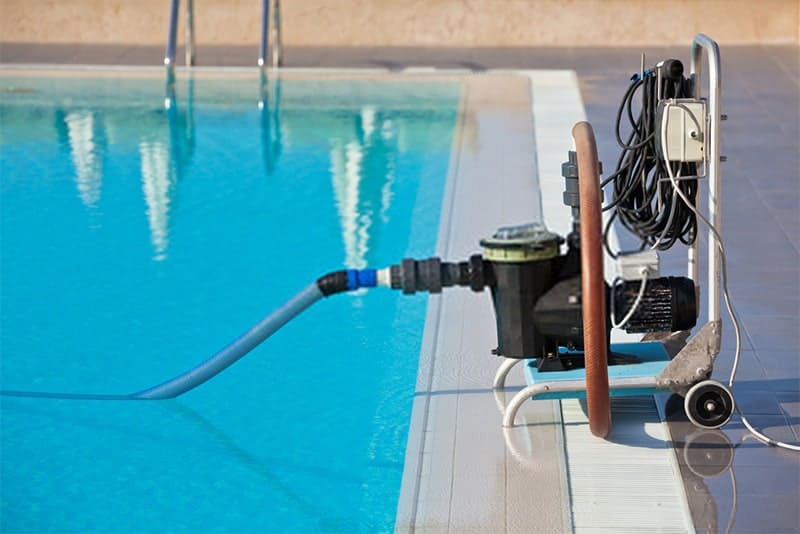

Your pool’s pump and filter are the unsung heroes of your backyard oasis, ensuring your pool stays clean and party-ready. At Poolclean, we understand the importance of keeping these essential components in top condition. In this guide, we’ll walk you through the ins and outs of repairing your pool pump and filter, making it as clear as the water in your pool.
Understanding Pool Pumps and Filters
Think of your pool pump as the heart of your pool, keeping the water circulating and preventing stagnation. It’s the key to maintaining clear and clean water for your enjoyment.
Common Pump Problems and Their Signs
Even the most reliable pump can encounter issues. Here are some common problems and their telltale signs:
- Unusual Noises: If your pump starts making strange noises, such as grumpy cat-like sounds, it could indicate a clog or a bearing issue.
- Low Flow: If the water flow from your pump is weak, it might be due to a blockage or problems with the impeller.
- Leaks: Puddles around the pump suggest a need for seal replacement.
- Sudden Shut-offs: If your pump keeps shutting off unexpectedly, it might be overheating due to a clogged filter or electrical problems.
- Power Issues: Difficulty starting or lack of power could point to capacitor problems.
Understanding Your Filter’s Behavior
Your pool filter plays a crucial role in trapping debris and keeping your water clear. Here are the main types of filters and their characteristics:
- Sand Filters: These are reliable and effective, trapping debris as water passes through sand. However, they require occasional backwashing and sand replacement.
- Cartridge Filters: Easy to maintain, cartridge filters trap dirt in a fabric cartridge and only need periodic cleaning.
- DE Filters: These heavy-duty filters use a fine powder to capture even the smallest particles, but they require more maintenance, including cleaning and powder replacement.
Signs of a Troubled Filter
Keep an eye out for these signs that your filter needs attention:
- Cloudy Water: If your pool water becomes cloudy, it’s a sign that your filter isn’t effectively removing particles.
- Slow Water Flow: Reduced water flow could indicate a clogged filter.
- Pressure Gauge Readings: High pressure readings suggest a clogged filter, while low readings might indicate issues with the pump or plumbing.
- Visible Debris: If you notice leaves and debris in your pool, your filter may not be working properly.
By paying attention to these signs and addressing any issues promptly, you can keep your pool pump and filter in top condition, ensuring your pool remains a refreshing and inviting oasis.
DIY Repair Tips for Pool Filters
- Gear Up for Filter Maintenance: You don’t need a superhero cape, just the right tools to be the hero of your pool’s filtration system. Here’s what you’ll need:
- Adjustable Wrench or Pliers: Your trusty companions for tackling stubborn nuts and bolts.
- Replacement Parts (if required): Choose the right components like O-rings or cartridges, similar to selecting the perfect remedy for your filter.
- Garden Hose: Essential for giving your filter a thorough cleanse.
- Lubricant (Non-petroleum based): Smooth operation is the goal, not a slippery mess.
- Clean Workspace: A clean environment is crucial for successful filter surgery.
Remember, having these tools is like holding the keys to a crystal-clear pool kingdom.
Step-by-Step Filter Repair
Now that you’re equipped, let’s dive into filter repair. Roll up your sleeves and let’s begin.
- Prioritize Safety:
Switch off the filter system. Water and electricity are not a good mix, much like some people and pineapple pizza (no offense!).
- Access the Filter:
Remove the cover or lid and extract the filter elements. It’s like uncovering buried treasure, but instead of gold, it’s dirt and debris.
- Thorough Inspection:
Check for any signs of damage or wear. If something seems amiss, it probably is.
- Clean or Replace Parts:
If parts are dirty or worn, clean or replace them accordingly. Give your filter the equivalent of a spa day.
- Lubricate Seals:
Apply lubricant to O-rings or seals to ensure smooth reassembly.
- Reassemble:
Piece everything back together like a puzzle, ensuring a snug fit for each component.
- Test the Waters:
Switch the filter system back on and observe its performance. It’s time for the moment of truth!
- Celebrate Your Victory:
Give yourself a well-deserved pat on the back. You’ve successfully conquered Pool Filter Repair 101!
While you’re playing pool doctor, remember there’s a fine line between a DIY fix and a job for the pros. If in doubt or facing challenges, don’t hesitate to seek expert assistance. Poolclean professionals are always on standby to lend a helping hand.
Filter Fix-It Formula: Your Comprehensive Guide
- Safety First: Power Down
Before you begin, ensure safety by turning off the pump and any power supply to the filter. Eliminate the risk of unexpected surprises.
- Pressure Check: Gauge Examination
Inspect the pressure gauge. High readings may indicate a clogged filter in need of attention.
- Access Granted: Open Sesame
Unlock the filter by removing screws or unraveling its puzzle-like exterior, depending on your model’s complexity.
- Inspection and Purification: Clean Sweep
Once opened, thoroughly examine for visible damages such as cracks or tears. Give your filter a rejuvenating cleanse by removing any debris or dirt.
- Gentle Rinse: Water Therapy
Utilize a garden hose to delicately rinse the filter components. Remember, we’re not power washing a driveway here, so keep it gentle.
- Replacement Protocol: If Necessary
If parts show signs of wear or damage, it’s time for a transplant. Replace worn-out components to ensure optimal performance.
- Lubrication and Sealing: Smooth Operation
Before reassembly, apply lubricant to O-rings or seals. Think of it as providing moisturizer for your filter, ensuring smooth operation.
- Reassembly Ritual: Put it Back Together
Reverse the disassembly process, ensuring everything is tightened appropriately. Avoid over-tightening – we’re not aiming for records here.
- Power On and Verify: Testing Phase
Restore power and observe the magic. Normal pressure and clear water are signs of a job well done!
Knowing When to Seek Professional Help
Despite your efforts, sometimes DIY isn’t enough. Here’s when it’s time to call in the pros:
- Recurring Issues: If you find yourself repeatedly fixing the same problem, it’s a sign of a deeper issue.
- Complex Repairs: Internal motor or electrical issues require specialized skills. It’s best to leave these tasks to the experts.
- Lack of Proper Tools: Certain repairs demand specific tools that DIY enthusiasts may not have access to.
- Safety Concerns: Any risk of injury or further damage warrants professional intervention. Safety should always be a top priority.
Benefits of Professional Poolcare
Bringing in professionals like Poolclean offers a myriad of advantages:
- Thorough Diagnosis: Professionals uncover hidden issues, preventing potential disasters.
- Specialized Tools: Equipped with advanced gadgets, they efficiently tackle repairs.
- Long-Term Solutions: Professionals provide lasting fixes, ensuring your peace of mind.
- Safety Assurance: With expertise in handling complex repairs, they prioritize safety, safeguarding your pool and property.
- Peace of Mind: Professional care offers reassurance, ensuring your pool stays in top condition.