
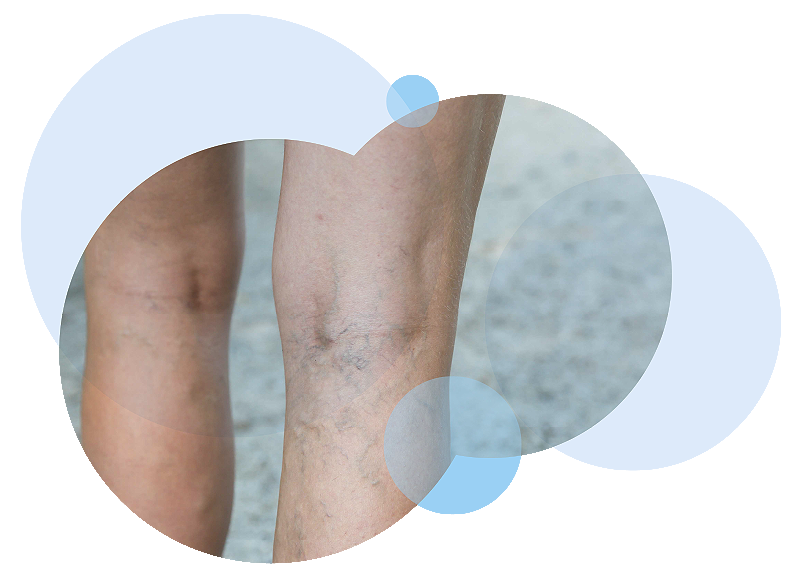

We learn that the vascular system must function optimally for the circulatory system, which is in charge of the body’s blood circulation if we can remember some of the lessons from health education from our junior year. Veins and other blood-carrying structures like valves are part of the vascular system. Any condition that affects the vein, which transports blood to the heart, also affects the vascular system and, consequently, the entire body.
Each organ in the body has a relationship that affects how well it functions. One health issue that has an impact on the vascular system is vascular disease. Because they are unfamiliar with the vascular system, many people who suffer from vascular disorders frequently have a casual attitude. This misinformation creates serious health hazards and problems by allowing the vascular system’s condition to significantly degrade.
Knowing how various physiological systems work and how to enhance them is crucial for this reason. Knowing the phases of vascular illnesses will help people take care of their health. This article will detail the stages of vein disease when to act, and those who are more likely to acquire vein disease.
Various Vein Disease Stages (Vascular Diseases)
There are basically two stages of vein disease because, as was already established, vascular illnesses are medical problems that have an impact on how well the veins function. As follows:
Early stages: At this stage, the body begins to exhibit symptoms of vascular system dysfunction. The likelihood of identifying these symptoms is increased by routinely inspecting the body. What do these hints mean? They consist of:
Spider veins: These appear as tiny blue lines under the skin that resemble spider webs. In body parts like the arms, shoulders, legs, and faces, they are noticeable. They don’t hurt or leave the skin feeling bruised.
Varicose veins: Varicose Veins – This symptom appears as rope-like, dilated veins under the skin. They also cause pain and give the skin an unpleasant appearance and bruised feeling.
Later stages: If the illness is not treated right away, the body will face major health risks. This stage’s indicators include:
Vein ulceration: A person with advanced vascular disease may see venous leg ulcerations forming all over their leg. Sluggish or absent healing may also impair how the leg recovers from wounds.
Swelling and skin changes: Vascular illness causes the abnormal blood circulation in the affected body parts, which causes swelling and skin changes. When in the advanced stages, the skin turns pale and the affected body parts start to expand. So, when something is observed, get medical help.
Who Runs the Risk of Vascular Disease?
Here is a list of persons who have a higher chance of having the vascular disease; if you fall into one of these categories, you should get regular checkups. These groups consist of:
- Aged individuals (particularly people above 50).
- Pregnant women
- Being overweight
- Standing or sitting for extended periods.
- Smoking
- Family history.
Conclusion
Numerous medical techniques have been developed to help deal with the issues caused by vascular diseases, however, these techniques are only useful for those who already have vascular disorders. As a result, it is crucial to regularly check yourself for symptoms of vascular disorders. This article has described these symptoms as well as the stages of each indicator.
Arrange for an appointment at his vein clinic today. Home of leading Gold Coast vascular surgeon, Dr. Venu Bhamidi.