
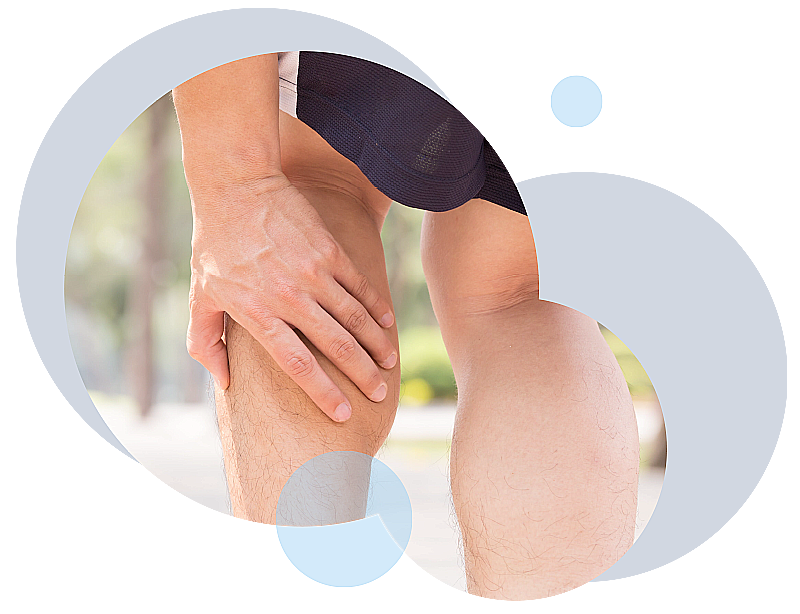

Varicose veins are enlarged, twisted and swollen veins that usually appear in the legs and develop in other parts of the body as well. Veins carry blood back to the heart, and they have one-way valves that prevent the blood from flowing backward.
When these valves become weak or damaged, blood can flow backward and accumulate in the veins, leading to their enlargement and the development of varicose veins. This, in turn, causes blood to pool in the veins, leading to their characteristic twisted and bulging appearance. They appear as blue or purple bulging cords beneath the skin’s surface and can cause symptoms such as pain, aching, heaviness, or fatigue in the legs.
Although they are frequently just a cosmetic issue, they cause discomfort, and pain and can occasionally result in ulcers, superficial thrombophlebitis (inflammation and blood clots in the affected veins), bleeding from ruptured veins, chronic venous insufficiency (poor blood flow), venous ulcers (open sores) and blood clots.
Symptoms include aching, heaviness, itching, swelling, and a throbbing or cramping sensation in the legs. Depending on the severity of the illness, treatment options might range from dietary adjustments and compression stockings to medical interventions.
Who is at Risk of Developing Varicose Vein?
As people age, their vein walls lose their elasticity and their valves weaken, increasing their chance of developing varicose veins. Due to hormonal changes during pregnancy, menopause, or the use of hormonal birth control xx techniques, women are more likely to develop varicose veins than males. Hormonal changes and increased blood volume during pregnancy can contribute to the development of varicose veins. Also, being overweight or obese puts extra pressure on the veins. Occupations or activities that involve long periods of standing or sitting can as well increase the risk.
Another factor is the family history. There is a genetic component to varicose veins, so if your parents or close relatives have them, you may be more likely to develop them.
Being overweight puts extra pressure on the veins. To reduce the risk of developing varicose veins or alleviate symptoms, it’s advised to maintain a healthy weight, exercise regularly, avoid sitting or standing for long periods, elevate the legs when resting, and wear compression stockings when necessary.
Varicose veins are usually diagnosed through a physical examination by a healthcare professional. Additional tests such as ultrasound may be conducted to evaluate the blood flow and identify any underlying issues. If you have concerns about varicose veins, it is advisable to consult with a healthcare professional for an accurate diagnosis and appropriate treatment recommendations.
How to Get Your Varicose Vein Treated?
Varicose vein treatment involves various methods to reduce or remove the appearance of enlarged and twisted veins, typically found in the legs. Different options can be employed for varicose vein treatment which ranges from conservative measures to more invasive procedures
Below are the common treatment options include:
1. Lifestyle Changes
Varicose veins can be treated and prevented from worsening with specific lifestyle changes, including regular exercise, weight maintenance, avoiding prolonged standing or sitting, and elevating the legs.
2. Compression Stockings: Wearing specially designed compression stockings provides external pressure on the legs, promoting blood flow and reducing swelling and discomfort.
3. Sclerotherapy: This procedure involves injecting a solution into the affected veins. The solution irritates the lining of the vein, causing it to collapse and stick together. Over time, the treated vein fades away. Sclerotherapy is commonly used for smaller varicose veins and spider veins.
4. Endovenous Laser Treatment (EVLT): Endovenous Laser Treatment uses laser energy to treat varicose veins. A small laser fiber is inserted into the affected vein, and the laser heats and seals the vein, causing it to collapse. The procedure is minimally invasive and can be performed on an outpatient basis.
5. Radiofrequency Ablation (RFA): Radiofrequency Ablation is a similar procedure to EVLT but uses radiofrequency energy instead of laser energy. The heat generated by the radiofrequency energy seals the vein, and it gradually gets absorbed by the body.
6. Ambulatory Phlebectomy: Surface varicose veins at the surface of the skin can be removed with ambulatory phlebectomy. The varicose veins are removed using tiny skin incisions that are done. Local anesthetic is frequently used when doing ambulatory phlebectomy.
7. Vein stripping and ligation: This surgical procedure involves tying off and removing the affected vein through small incisions. Vein stripping is usually reserved for severe cases of varicose veins.
What are the Differences Between Going to a Private Clinic vs a Hospital for a Varicose Vein Treatment?
When considering varicose vein treatment, you have the option of choosing between a private clinic and a hospital. Both have their advantages and it ultimately depends on your specific needs and preferences.
Private clinics frequently focus on cosmetic procedures and can offer a more comfortable and individualized experience. They often provide a variety of treatment alternatives with shorter waiting times, such as minimally invasive procedures like endovenous laser therapy (EVLT) or sclerotherapy.
Hospitals, on the other hand, are equipped with comprehensive medical facilities and a wider range of audience. A hospital can be a better option if you have complicated medical conditions or need more extensive surgery. For more complex or advanced cases, hospitals can offer access to a wider variety of resources and specialists, such as anaesthesiologists and vascular surgeons.
When deciding between a private vein clinic and a hospital for varicose vein treatment, it’s important to consider factors such as the severity of your condition, the expertise required, your comfort, and the cost
Here are some points to consider regarding each option:
Private Clinic
1. Convenience: Private clinics often provide more flexible and convenient appointment scheduling, shorter wait times, and easier access to appointments.
2. Personalized Care: Private clinics may provide a more personalized experience with a focus on individual attention and comfort.
3. Specialization: Some private clinics specialize exclusively in varicose vein treatment, allowing them to develop expertise and offer advanced techniques.
4. Cost: Given that private clinics are often privately owned and may not accept insurance, their treatment costs may be greater than those of hospitals.
Hospital:
1. Comprehensive Care: Hospitals provide a wide range of medical services, including specialized departments and access to various specialists if complications arise during the treatment.
2. Advanced Facilities: Hospitals often have state-of-the-art equipment and facilities, which can be beneficial for complex or high-risk cases.
3. Insurance Coverage: Treatment at a hospital may be covered by insurance plans, reducing out-of-pocket expenses for patients.
4. Multidisciplinary Approach: Hospitals can offer a multidisciplinary approach to care, involving different healthcare professionals such as surgeons, interventional radiologists, and vascular specialists.
Conclusion
The decision between a private clinic and a hospital ultimately comes down to your personal preferences, the severity of your ailment, the expertise required for your specific case, and your financial situation. It is advisable to speak with a medical expert who can evaluate your illness and advise you on the best treatment setting.