
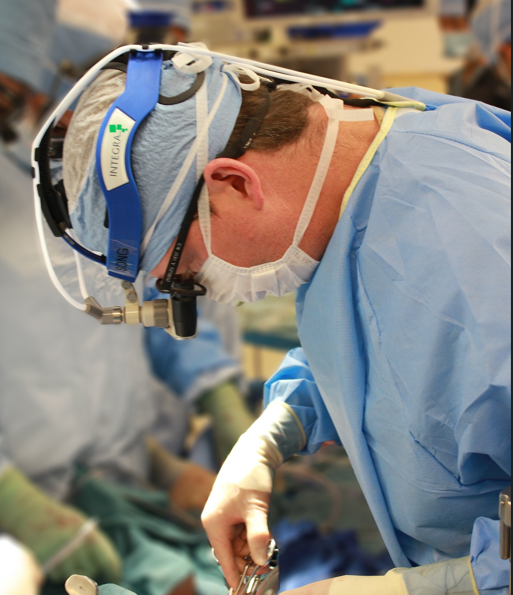

For centuries now, varicose veins have been known as a medical condition that affects veins, and doctors or medical specialists have been researching available methods to treat this condition. Before the discovery of advanced modern vein treatment techniques, we only had two alternative treatment methods: compression therapy or invasive therapy.
Since then, new techniques have been developed to produce better results. Even though compression therapy is still used today, more of non-invasive, pain-free methods have replaced invasive surgery. Well, in this article, we will discuss the various advancement in vein treatment techniques.
What are Varicose Veins?
Varicose veins are enlarged twisted blood vessels or veins that can appear anywhere but usually appear in the leg. This may be considered a medical condition but is not seen as a dangerous condition but comes with a lot of discomfort to someone with it, and it is also an unsightly sight that may lead to more medical issues if ignored.
In the early years of medical treatment, varicose veins were seen as a cosmetic issue. Still, with advancements in medical technology, it was later seen as a medical condition that requires a specialist to look into it or as a sign of old age, which is why more insurance companies are now covering some vein treatment options and some primary care doctors now referring their patients to a vein treatment specialist.
What are Spider Veins?
Spider veins are similar to varicose veins, sharing similar characteristics with them, but the difference is that they are milder, smaller superficial vessels that do not cause discomfort. They appear like a spider web, unlike the varicose vein, which is a swollen blood vessel appearing as a twist or a bulge. Insurance companies do not cover spider vein treatment due to them not considering it a medical issue but a cosmetic issue.
Top Treatment for Medical Vein Conditions
Both varicose and spider web vein conditions are abnormal, delayed blood vessels caused by the formation of blood pools in the blood vessel, which creates pressure, resulting in folding, bulging, or twisting of the vein due to the weak walls of the blood vessel. They’re both ubiquitous, affecting people from 50 years of age and above, and an individual can have both medical vein conditions, but that does not mean if you have spider veins, it will result in a varicose vein or vice versa.
The method of vein treatment you choose depends on whether you have a varicose vein, spider vein, or even both. However, it is advisable to consult a board-certified vein specialist to advise you on which to pick, health conditions, risk factors, and specific allergic reactions that come with that treatment method; for clarity’s sake, we will be discussing some treatment options for varicose and spider web vein condition with their advantages and disadvantages for better understanding in helping you choose correctly.
- Chemotherapy: this is the most common vein treatment option for both spider and small varicose veins. However, chemotherapy is used to treat smaller spider veins; it involves administering a simple injection of a tiny needle with a solution injected into the vein to close the blood vessel; this solution makes the vein shrink and dissolves for weeks, with the body absorbing the dissolved blood vessel.
It’s a concise and pain-free treatment that takes not more than 15 minutes, and you are done, but the number of administered injections depends on the size of the varicose or spider vein and where it appears on the body. After treatment, you can expect small veins to disappear within a few weeks, but it may take months with more extensive vein conditions. Although the recovery is quick, you will need to wear compression stockings or bandages for some required period for better recovery.
Advantages
- The treatment process is quick, not more than 15 minutes.
- Little to no pain during recovery; thus, why it is described as “pain-free.”
- Safe for all skin types.
- Minor bruising and swelling, which quickly disappears.
- Able to treat spider veins that are too large to be treated through laser.
- No constraints to activity after treatment.
Disadvantages
- The total result can take six months to be visible.
- Some find it uncomfortable if the saline solution is utilized in the injection.
- Not suitable for dark skin.
- For optimal results, multiple injections may be needed.
- If not properly conducted could result in more veins popping up.
- Temporary redness, mild itching, and hotness in the treated area.
- Ambulatory Phlebectomy: this treatment can only treat small varicose veins. It involves a surgical operation with the proper surgical instruments done by surgical specialists. It’s a less invasive type of treatment that involves administering anesthesia to numb the area before the surgeon makes tiny incisions to access the vein with a surgical hook, disrupting it, cutting out little segments, and removing it. It requires a short recovery time, although you will be given prescription and compression stockings to reduce swelling.
Advantages
- It can only be used in small varicose veins
- Vein removal without surgery.
- Pain-free and non-invasive
- Short recovery time
- Incisions heal wholly and quickly.
Disadvantages
- Minimal scaring could result from tiny incisions.
- Mild pain and swelling.
- Bruising around the treated area.
- Allergic reaction to anesthesia.
- Endogenous laser Abrasion: it is also known as Endogenous laser abrasion therapy; it is a cost-effective method of vein treatment used to treat varicose veins. This is a minimally invasive procedure of treating varicose vein by stopping the flow of blood through the use of a threaded thin laser fiber done by a doctor, which is then passed through the affected and swollen blood vessel stopping the flow of blood which is done with the aid of an x-ray resulting in blood flowing through the remaining veins.
Advantages
- High success rate
- Low recurrence rate
- Relatively pain-free.
- Safe for all skin tones
Disadvantages
- After treatment, you may experience mild bruising and itching for the first week.
- Not suitable for treating minor, more superficial vein conditions.
- Slight risk of damaging nerve tissues.
- Varithena® vein treatment
- Venaseal closure.
Conclusion
The type of vein treatment you choose depends solely on you, the amount you are willing to spend, and so on. But then, before making any decision about which treatment option you want to choose, it is important you sit with a vein specialist to discuss all the various criteria involved in it, the risks involved, how adequate it is and how long is the recovery time.
This information will guide you to choose a suitable one for you. It does not matter if it is varicose veins or spider web medical condition; there is always a treatment option ranging from non-invasive methods to minimally invasive and then invasive methods, but all of which were developed to treat vein conditions properly.