

Tooth loss is a widespread disease that affects millions of people worldwide. It can cause a variety of health concerns, including difficulty chewing, speech impairments, and low self-esteem.
Fortunately, dental technology has evolved in recent years, allowing for a variety of treatment choices to restore missing teeth. Partial dentures and dental bridges are two of the most popular treatments.
Partial dentures are detachable devices that replace one or more missing teeth, whereas dental bridges are permanently attached to neighbouring teeth. Both solutions have distinct advantages and disadvantages, so patients must examine their needs and preferences while determining which alternative to pursue.
In this post, we’ll look at the differences, benefits, and drawbacks of partial dentures and dental bridges to help you determine which is best for you.
Dentures with partial teeth
Partial dentures are dental prosthetic devices that are designed to seem natural and replace one or more missing teeth. These prostheses are custom-built to fit each patient’s mouth and are constructed of a combination of materials such as acrylic, metal, or both. They are normally secured in place by metal clasps or precise attachments that attach to nearby natural teeth and comprise of a framework that supports replacement teeth.
Partially removable and non-removable dentures are the two primary forms.
Removable partial dentures can be taken out of the mouth for cleaning and maintenance, whereas non-removable partial dentures are permanently affixed to the teeth.
Advantages of Partial Dentures
- Affordable
Partial dentures are less expensive than alternative tooth replacement options like dental implants or bridges. This makes them an excellent solution for individuals on a tight budget or without dental insurance. Partial dentures are also more commonly available and accessible than other tooth replacement methods. This implies that they can be fitted at your local dental clinic without the need for specialised procedures or equipment.
- Non-Invasive
In contrast to dental implants, which need invasive surgery and a lengthy recovery period, partial dentures can be fitted without the need for surgery or invasive treatments. This makes partial dentures more appealing to individuals who are afraid of surgery or have medical issues that make invasive procedures dangerous. The fitting process for partial dentures is quite straightforward and painless, and you can leave the dentist facility the same day with your new partial dentures.
- Can be converted to full dentures
If you continue to lose teeth, the partial dentures can be adjusted to suit the new missing teeth. Because you don’t have to buy an entirely new set of dentures, this flexibility can save you time and money. It also means you can avoid the discomfort and inconvenience of being toothless while waiting for a new set of dentures.
The Drawbacks of Partial Dentures
- Wearing it is uncomfortable
Wearing partial dentures can be painful or challenging, especially when eating or speaking. This is due to the fact that partial dentures are supported by the remaining teeth and gums, which can cause discomfort, inflammation, irritation, and even infection.
- It takes some getting used to
It takes time and effort to acclimatise to wearing partial dentures. This is due to the fact that they can be tough to wear at first. You may feel soreness or discomfort in your gums, and it may take some time to adjust to the sensation of the dentures in your mouth.
- Over time, it will need to be replaced or changed
Over time, partial dentures may need to be changed or altered. As the patient’s remaining teeth and gums change, the dentures may wear down or become loose, resulting in increased expenditures and suffering.
Furthermore, changes in the patient’s mouth over time, such as bone loss or movement of the remaining teeth, can compromise denture fit and necessitate revisions or replacements.
- Bridges for teeth
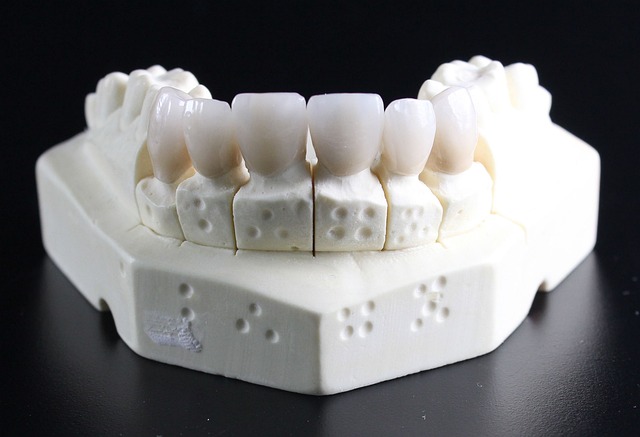
Dental bridges, as the name implies, “bridge” the gap between two teeth. They are made up of two or more dental crowns on either side of the gap and a pontic, which is an artificial tooth. Dental bridges are permanently attached to the teeth.
Dental bridges, like partial dentures, come in a variety of materials. Porcelain, zirconia, and ceramic are the most frequent materials.
Benefits of Dental Bridges
- A long-term solution
Dental bridges do not need to be removed for cleaning or maintenance after they are installed. Apart from brushing and flossing, they don’t require any extra care. This can be a significant advantage for people searching for a long-term tooth replacement solution that requires less maintenance over time.
- Natural appearance and feel
Dental bridges are made to appear and feel exactly like real teeth. The bridge’s prosthetic teeth can be custom-crafted to match the colour, shape, and size of the patient’s remaining natural teeth, allowing them to fit in seamlessly with the smile.
- Outstanding stability and usefulness
They are more sturdy and less likely to move or shift around in the mouth when eating or speaking because they are held in place by dental crowns linked to natural teeth.
Dental Bridge Drawbacks
- It can be costly
Dental bridges can be more expensive than partial dentures at first. This is due to the fact that they take more time and effort to place, as they often require many consultations and a special construction procedure. Furthermore, the materials utilised to construct the bridge, such as porcelain or ceramic, can be costly.
- Extensive process
To obtain a dental bridge, the neighbouring teeth that will act as the bridge’s support must be filed down to accommodate the bridge. This filing procedure might cause tooth discomfort and sensitivity. In certain situations, it may even cause tooth pulp damage, necessitating extra treatment.
- Cleaning is a challenge.
Dental bridges are more harder to clean than partial dentures because they are a permanent solution. Brushing and flossing around the bridge should be done with additional care to avoid food particles becoming lodged.
Which Choice Is Best for You?
Individual needs and tastes must be considered while deciding between partial dentures and dental bridges. Partial dentures may be the ideal solution if you want a cheap, non-invasive option that can be readily removed and cleaned. However, if you prefer a more lasting, permanent solution with a natural appearance and feel, a dental bridge may be a better option.
Finally, you must contact with a dental specialist to evaluate which choice is ideal for your specific circumstance.
Conclusion
Both partial dentures and dental bridges are excellent tooth replacement alternatives with distinct advantages and disadvantages. The decision between these possibilities will be influenced by the individual’s demands, interests, and budget. In addition, your dentist can assist you in making an informed selection and developing a thorough treatment plan that addresses your specific dental needs and goals. Maintaining basic dental hygiene practises is critical for excellent oral health, regardless of which choice you choose.
If you are looking for a Denture clinic on the Gold Coast contact Dentures at Varsity for your free consultation.