
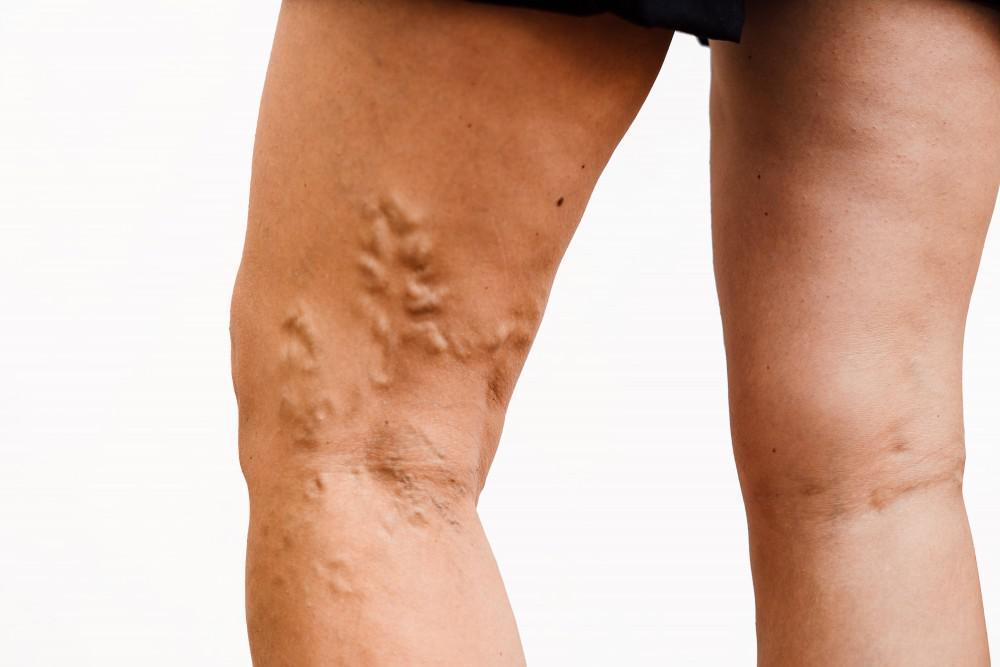

Varicose veins are enlarged, twisted veins that typically occur in the legs and are caused by weakened valves or walls in the veins, which lead to poor blood flow. Varicose vein treatment is typically recommended when individuals experience symptoms or complications associated with varicose veins that affect a person’s quality of life or overall health. If varicose veins significantly affect your quality of life or limit your ability to perform daily activities, you should consider getting treatment.
These symptoms may include pain, swelling, heaviness, fatigue, itching, or cosmetic concerns. Also, treatment may be necessary if varicose veins lead to more serious issues such as ulcers, blood clots, or bleeding. But, the decision to undergo varicose vein treatment is best made in consultation with a healthcare professional who can evaluate the severity of symptoms and assess the need for intervention. It is advisable to consult with a healthcare professional for an accurate assessment and personalized recommendation regarding varicose vein treatment.
Some common indications for treatment include:
1. Cosmetic Concerns: While cosmetic reasons alone may not necessitate treatment, some individuals may seek varicose vein treatment to improve the appearance of their legs or to alleviate self-consciousness caused by prominent veins.
2. Persistent Pain or Discomfort in the Legs: Varicose veins can cause aching, throbbing, or a heavy sensation in the legs, especially after prolonged periods of standing or sitting. Persistent pain, aching, throbbing, or a heavy feeling in the legs may indicate the need for treatment.
3. Swelling and Inflammation: Varicose veins can lead to swelling in the legs, ankles, and feet. Inflammation of a varicose vein, known as superficial thrombophlebitis, can cause pain, redness, and swelling. If left untreated, it may lead to the formation of blood clots. Also, if the swelling is accompanied by redness, warmth, or tenderness, it could indicate inflammation or a more severe condition, which may require treatment to alleviate symptoms.
4. Ulcers or Skin Changes: Varicose veins that result in skin discoloration, thickening, or the development of ulcers (open sores) indicate more advanced venous insufficiency and often require treatment. These are signs of a more advanced stage of venous disease and require medical attention. Treatment can prevent the progression of these skin changes and promote wound healing.
5. Bleeding: Although it is rare, bleeding can occasionally result from the rupture of a varicose vein near the skin’s surface. It’s crucial to seek emergency medical attention if you have considerable bleeding or difficulties stopping it. Also, the presence of blood clots in varicose veins requires immediate medical attention, as it can lead to serious complications like deep vein thrombosis. Future bleeding episodes are prevented by treatment.
If you are experiencing any of these symptoms or have concerns about your varicose veins, it’s advisable to consult with a healthcare professional, such as a vascular specialist or a phlebologist, who can evaluate your condition and recommend appropriate treatment options.
Why Should One Go for a Varicose Vein Treatment?
Varicose vein treatment may be necessary for the following reasons:
1. Relieving Symptoms: Varicose veins can cause pain, aching, heaviness, and discomfort in the affected area. Treatment aims to alleviate these symptoms and improve the individual’s quality of life.
2. Preventing Complications: If left untreated, varicose veins can lead to complications such as blood clots (deep vein thrombosis), skin ulcers, and bleeding. Treatment helps minimize the risk of these complications and their associated health problems.
3. Improving Circulation: Varicose veins are often associated with poor circulation. Treatment can help restore proper blood flow by redirecting blood through healthier veins and reducing pressure on the affected veins.
4. Enhancing Appearance: For some individuals, varicose veins may be a cosmetic concern, causing self-consciousness or affecting their body image. Treatment options can help improve the appearance of the legs and reduce the visible signs of varicose veins.
5. Addressing Discomfort During Physical Activities: Varicose veins can make it challenging to engage in physical activities or long periods of standing due to pain or discomfort. Treatment can enable individuals to participate in activities they enjoy without hindrance.
6. Preventing Future Complications: Treating varicose veins early on can help prevent the progression of the condition and the development of more severe symptoms or complications over time.
What is Laser Treatment?
Laser treatment is a medical procedure that uses focused light beams, called lasers, to treat various conditions and perform a wide range of therapeutic and cosmetic procedures. The laser emits an intense, concentrated beam of light that can selectively target specific tissues or cells in the body.
Laser treatment is used in a wide range of medical applications, including dermatology, ophthalmology, dentistry, and surgery. It can be employed for various purposes, such as removing or reshaping tissues, sealing blood vessels, treating skin conditions like acne or scars, correcting vision problems, and even destroying tumors or cancer cells
How Laser Treatment Works
Laser devices emit high-intensity light beams that can be adjusted to specific wavelengths, pulsation patterns, and durations. The light energy is absorbed by specific tissues or substances in the body, producing heat or causing photochemical reactions that lead to various therapeutic effects.
Interestingly, laser treatment can be used to treat varicose veins. Laser treatment for varicose veins is known as endovenous laser ablation (EVLA) or endovenous laser therapy (EVLT). During the laser treatment, a thin laser fiber is inserted into the affected vein through a small incision. The laser emits energy that heats and damages the vein, causing it to collapse and eventually fade away.
Benefits of Laser Treatment
Laser treatment is an effective minimally invasive alternative to traditional surgical procedures for varicose veins. It has a high success rate in closing off the treated veins and relieving symptoms such as pain, swelling, and discomfort.
Laser treatment offers several advantages for varicose veins, which include:
1. High Success rate: Laser treatment has a high success rate in treating varicose veins. It effectively seals off the damaged vein, causing it to shrink and fade over time. The procedure can significantly improve the symptoms associated with varicose veins, such as pain, swelling, and heaviness in the legs.
2. Minimal Scarring: Since laser treatment does not involve large incisions, it usually results in minimal scarring compared to traditional vein stripping surgery. This makes it a more appealing option for those concerned about cosmetic outcomes.
3. Quick Recovery: The recovery period after laser treatment is typically shorter compared to traditional surgery. Most individuals can resume their normal activities within a day or two after the procedure, with only minimal restrictions. It is usually performed on an outpatient basis, allowing patients to return to their normal activities shortly after the procedure.
4. Targeted Treatment: Laser treatment precisely targets the affected veins, delivering focused energy to seal them shut. This targeted approach helps spare healthy tissues and reduces the risk of complications.
5. Reduced Pain And Discomfort: Laser treatment is generally well-tolerated and causes less pain and discomfort compared to traditional surgery. Local anesthesia is typically used to numb the area, minimizing any potential discomfort during the procedure.
Conclusion
Varicose vein treatment is typically recommended for individuals who experience symptoms or complications associated with varicose veins.
The decision to undergo this treatment is best made in consultation with a healthcare professional who can evaluate the severity of symptoms and assess the need for intervention.
It’s important to note that the suitability of laser treatment for varicose veins may vary depending on individual factors and the severity of the case. Interestingly, this article has discussed the factors to consider before going for your varicose vein treatment.