
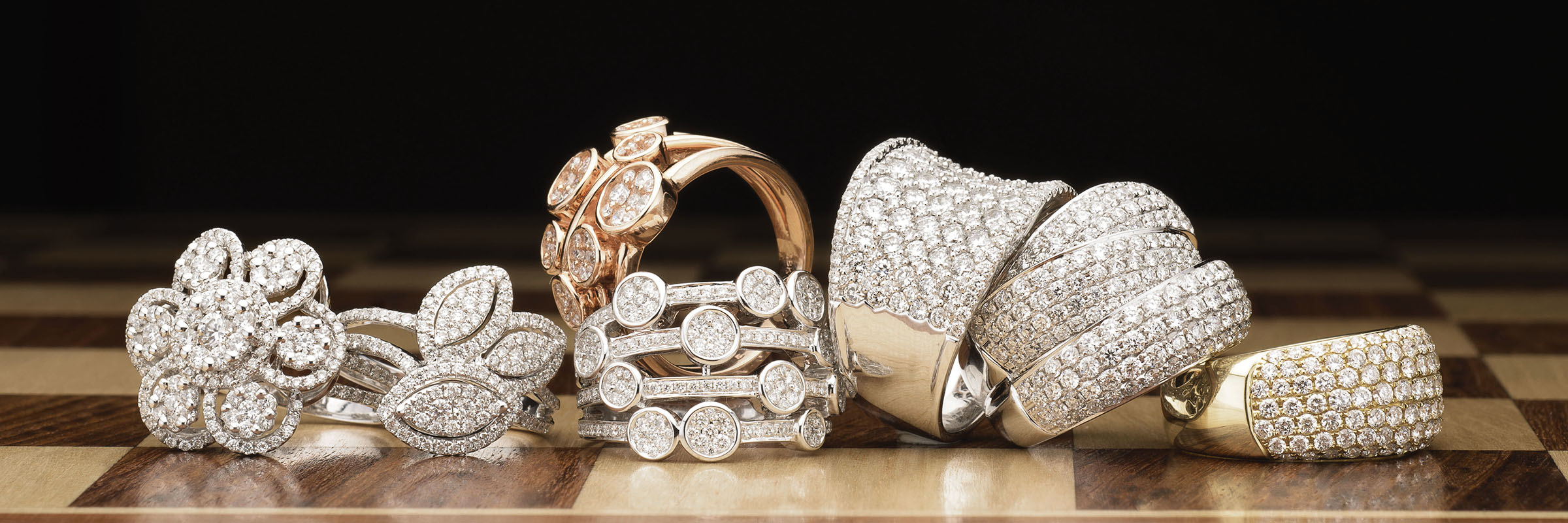

Diamond and jewellery shopping may be a spectacular and sentimental experience. In contrast, there is a murky world of exaggerated claims and dishonest behaviour hidden below the glitter and charm. Before making a purchase, it is crucial to arm yourself with information to ensure that it is authentic and worth every penny.
False Claims in the Jewelry and Diamond Industry
The world of diamonds and jewellery is a lovely one, full with rich metals and sparkling stones. But it’s also a world full of exaggerated claims and dishonest advertising strategies. As a buyer, it’s crucial to be aware of the various strategies used by those in the jewellery industry to deceive you.
The problem of inaccurate grading reports is one frequent problem. By offering graded reports that have been altered or faked, many vendors may attempt to enhance the quality of their diamonds. Customers may end up paying more for diamonds that aren’t really worth the money as a result of this. Reputable grading facilities like the Gemological Institute of America (GIA), the American Gem Society (AGS), and the International Gemological Institute (IGI) should always be used in order to avoid becoming a victim of this type of con.
The abundance of imitations and phoney gemstones is another issue that plagues the sector. It’s not unusual to find cubic zirconia, moissanite, or glass being used in place of genuine diamonds or other jewels.Even though some individuals might not care if a fake gemstone looks excellent, it’s still crucial to know the difference between genuine gemstones and imitations. This will not only prevent you from spending too much for a phoney stone, but it will also provide you the information you need to choose the types of diamonds you want to buy.
Tips to Avoid False Claims
You don’t want to buy a fake diamond or gemstone or pay too much for anything that isn’t of the highest calibre. So, to assist you avoid fraudulent claims and shop with confidence, here are some suggestions.
Always conduct your homework on the dealer or retailer you are thinking of using. Look for well-known brands or Robina jewellers who have a good reputation and many satisfied clients. This will significantly lower the possibility of being taken advantage of or duped.
Asking for third-party certification is an additional crucial step. This is crucial because it allows you to evaluate the diamond or gemstone’s quality and authenticity objectively. Look for certifications issued by respectable institutions like the American Gem Society, the International Gemological Institute, or the Gemological Institute of America (GIA). To make sure the certification documents are real, it’s crucial to confirm their legitimacy and cross-reference them.
Another essential component of preventing misleading claims is comprehending the Four Cs. The Four Cs are carat weight, colour, clarity, and cut. These elements determine the value and quality of a diamond or gemstone. You may effectively assess the quality of the item(s) you’re interested in buying by being aware of what to look for in each of these categories.
It’s crucial to remember that erroneous assertions about the Four Cs are frequently made. For instance, a diamond may be advertised as “flawless” but in fact have flaws, or a gemstone may be advertised as a particular colour but include artificial enhancements. If something appears too good to be true, make sure to acquire a second opinion and only buy from reliable sources.
Spotting Red Flags When Shopping
When it comes to internet buying, we’ve all seen those offers that appear too good to be true.Additionally, if something appears too good to be true, it probably is, as the saying goes. Therefore, it’s crucial to look out for warning signs when shopping online.
Extremely low costs are one of the techniques that are most frequently employed to entice unwary customers. Yes, we all enjoy a good deal, but if the price is far below the industry standard, it’s time to exercise caution. These deals are frequently utilised by con artists who want to take your money without giving you a quality product. So, avoid paying prices that seem too low to be true.
Another cautionary sign is the seller’s communication’s lack of transparency. It is imperative that the vendor communicates with the buyer in a straightforward and honest manner. When you ask a vendor for more information about a product, if they are evasive or give you ambiguous answers, there’s a good possibility they’re trying to conceal something. It’s best to exercise caution and conduct more research in such circumstances before making a purchase.
When shopping online, the lack of qualifications or insignia is another red flag. Genuine certifications and trademarks are used to ensure the reliability and calibre of a product. Knowing how to spot authentic hallmarks, for instance, might be quite important when buying jewellery. Not all dealers, however, are able to offer the required proof of these certifications or hallmarks. This frequently indicates that the item you’re buying might not be real.
Debunking Diamond Myths
Diamonds have a long and important history in our culture. They are frequently viewed as the pinnacle of love and devotion, from engagement rings to celebratory gifts. However, there are numerous typical misconceptions that could skew our judgement while selecting a diamond.
Let’s examine some of these myths in more detail and distinguish fact from fiction.
One prevalent misconception about diamonds is the idea that bigger is always better. Although bigger diamonds might be remarkable and eye-catching, size shouldn’t be the only thing taken into account. In actuality, a diamond’s cut, clarity, carat weight, and colour all affect its quality. The brilliance and glitter of a diamond are the result of these characteristics coming together. Therefore, despite the fact that a big diamond could seem like a definite thing, it is possible to locate a smaller diamond that is higher quality and therefore worth more money.
The idea that a perfect diamond is the only option is another prevalent misconception regarding diamonds. It’s true that the thought of possessing a flawless diamond can be rather alluring, but it’s crucial to keep in mind that no diamond is genuinely faultless. Even the most expensive diamonds include minute flaws that require great magnification to be spotted. This in no way lessens their worth or beauty. In fact, some individuals believe that a diamond with personality is even more intriguing and distinctive.
Let’s now discuss the delicate subject of conflict or “blood” diamonds. These are diamonds that are extracted from conflict areas and traded to fund armed confrontation with authorities. The history of the diamond trade is infamous for fostering violence in Africa and other parts of the world by taking advantage of weak societies. However, there are now a lot of trustworthy diamond producers who have made a commitment to moral sourcing and environmentally friendly business methods.
When looking for a diamond, it’s crucial to support businesses of jewellery that are ethical, environmentally friendly, and committed to responsible sourcing. These resources give you the assurance that you are not encouraging exploitation, violence, or environmental destruction. A traceable sourcing statement, assurances that their diamonds are from ethical sources, and a commitment to making sure that employees are paid properly are all features of ethical brands. Customers may make a statement and contribute to a more ethical jewellery business by selecting one of these brands.
Wrap Up!
Although purchasing diamonds and jewellery can be an exciting experience, it is important to proceed with prudence. In the market, false advertising and dishonest business practises wait to take advantage of uninformed consumers. You can guard against becoming a victim of fraud by conducting careful research, buying from reputable sources, requesting third-party certification, and being aware of the Four Cs. You’ll be able to make educated judgements and ensure that the jewelry and diamonds you buy are real and something you’ll treasure for a lifetime by recognising warning signs and exercising caution while making your purchase