
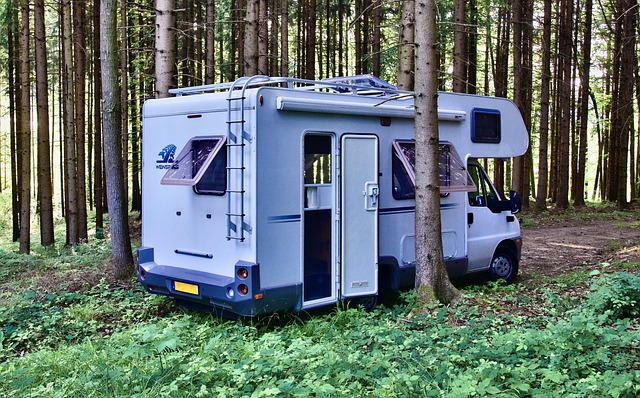

Embarking on a motorhome adventure is akin to unlocking boundless excitement. It’s your portal to adventure, allowing you to traverse landscapes, camp, and unearth remarkable destinations without straining your budget. Even if you don’t own a motorhome, you can partake in this exhilarating experience through rentals. Believe us; it’s worth every moment!
Imagine cruising along an open road, the wind tousling your hair, surrounded by awe-inspiring vistas. Whether it’s your own motorhome or a rented one, setting out for a camping or vacation trip promises the time of your life.
However, it’s essential to acknowledge that there are some fundamental rules and safety precautions to adhere to in order to make the most of this adventure while safeguarding yourself and your trusty motorhome. The good news is that they aren’t overly complicated. By following these guidelines, you not only ensure your well-being but also maintain your motorhome in peak condition.
1. Confirm Your Documentation
Prior to hitting the road or embarking on your journey, it’s imperative to confirm that you possess all the necessary documents for your motorhome. This signifies your eligibility to drive a motorhome and ensures legal possession of the vehicle. Additionally, ensure your motorhome complies with modification and certification requirements to avoid any legal entanglements.
2. Assess Your Motorhome’s Condition
Setting off on the road with a motorhome in subpar condition poses risks to you and other road users. Larger vehicles like motorhomes can present more significant challenges in the event of a breakdown. Before embarking on your trip, thoroughly inspect your motorhome for any issues. Consider performing routine maintenance to enhance its roadworthiness.
3. Familiarize Yourself with Motorhome Traffic Regulations
Adherence to traffic regulations is pivotal for vehicle and road user safety. Acquaint yourself with these rules, bearing in mind that motorhome traffic regulations differ somewhat from those for regular vehicles. Furthermore, exercise extra caution when choosing a lane to drive in, as motorhomes have larger blind spots.
4. Motorhome Traveling Checklist
Ensuring your motorhome is mechanically sound is just the initial step in preparing for travel. Next, ensure that all items inside the vehicle are securely packed and ready for the journey. Here’s a checklist to assist you:
- Secure all loose objects within the motorhome.
- Properly fasten external items like bikes to the vehicle.
- Confirm that all doors, windows, and roof hatches are closed.
- Switch your refrigerator and other appliances to DC power.
- If you have a TV satellite, reposition it for travel.
5. Adhere to Speed Limits
Motorhomes have specific speed limits, typically ranging from 50 to 70 mph on urban interstates and 65 to 75 mph on rural interstates. Abiding by these limits is crucial since motorhomes have limited maneuverability and require ample reaction time for sudden stops or evasive maneuvers.
6. Ensure Mental and Physical Alertness
Driving a motorhome while fatigued is strongly discouraged. Limit the number of hours you drive each day to prevent exhaustion. Consider taking a scenic route that encourages periodic stops to appreciate the scenery, keeping both body and mind engaged.
7. Avoid Swerving
When confronted with obstacles such as fallen trees or animals on the road, resist the urge to swerve. Motorhomes’ size makes them challenging to control in such situations. Instead, apply the brakes promptly and collide with the obstacle head-on to minimize potential damage.
8. Choose Safe Campsites
Selecting a safe campsite is paramount for your well-being and your vehicle’s security. Prior to arrival, research campsite options and opt for a secure location. Arriving early to set up camp before nightfall is also advisable.
9. Secure Your Motorhome
Though motorhome theft is relatively rare, taking precautions can greatly reduce the risk. Consider the following measures:
- Install an effective tracker on your motorhome.
- Use multiple locks to secure entry points.
- Employ an immobilizer to prevent unauthorized starts.
- Secure the steering with a steering lock.
- Use wheel clamps to restrict vehicle mobility.
In conclusion, motorhomes offer a thrilling way to embark on trips and enjoy vacations. The safety measures you adopt during your journey can significantly impact the quality of your experience. By adhering to the safety tips outlined in this article, you can ensure the protection of both yourself and your motorhome. Safe travels!