
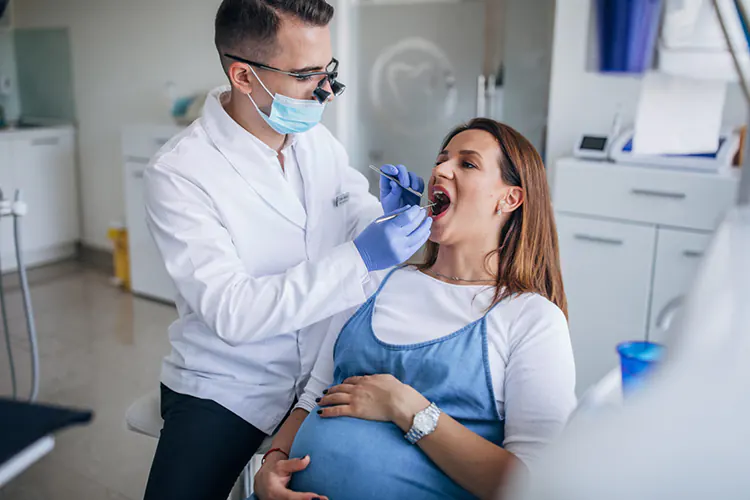

Pregnancy is an amazing and transformative experience. There’s so much to look forward to, from feeling those little kicks to preparing for the arrival of a new bundle of joy. And amidst all the joy, it’s essential to take care of your health, including your dental health.
Let’s be real pregnancy can take a toll on your body, including your precious pearly whites. It’s not uncommon for expecting mothers to face dental challenges like pregnancy gingivitis, tooth decay, and enamel erosion.
In this article, we’ll discuss some safe general dentistry treatments that will keep you grinning from ear to ear throughout your pregnancy!
The Importance of Oral Health during Pregnancy
Imagine you’re glowing, your belly is growing, and your smile is shining. But did you know that hormonal changes during pregnancy can increase the risk of dental problems? Yes!
Taking care of your oral health isn’t just about having a beautiful smile; it’s also about safeguarding your overall well-being and that of your precious little one.
Studies have shown that pregnant women with poor oral health may be at higher risk for preterm birth, gestational diabetes, and other pregnancy complications. Yikes!
But don’t worry, because we’re going to tackle this head-on and ensure that our smiles stay healthy and bright.
Is It Safe to Visit the Dentist During Your Pregnancy?
Yes. Going to the Annerley dentist while you’re pregnant is not only safe, but it’s also highly recommended. Ignoring dental problems like tooth decay and gum disease can have negative consequences for both you and your baby. Your oral health plays a significant role in your overall well-being, which means it can have a direct impact on your little one too.
Even when you’re not expecting, it’s a good idea to make regular visits to the dentist. For most people, a check-up every six months is the norm, but depending on your individual circumstances, your dental needs may vary. However, during pregnancy, it becomes even more crucial to prioritize your oral health. Hormonal changes and cravings during this time can increase the risks to your teeth and gums, so staying on top of your dental care is especially important.
Your dentist will likely suggest multiple appointments throughout your pregnancy to assess the condition of your teeth and gums. They can provide valuable recommendations for adjusting your oral care routine or perform any necessary treatments to ensure your dental health remains in check.
If you’re planning to become pregnant soon, it’s a smart move to see your dentist beforehand and address any lingering dental issues, such as impacted wisdom teeth. Taking care of these concerns ahead of time can help minimize the risk of complications down the road.
Which Dental Treatments Are Safe During Pregnancy?
It’s crucial to maintain good oral hygiene and address any dental issues promptly to ensure the well-being of both you and your baby. Here are some dental treatments that are safe for pregnant women:
Regular check-ups and cleanings
These are the bread and butter of maintaining a healthy smile, and they remain just as essential during pregnancy. Regular dental check-ups allow your dentist to monitor your oral health, detect any problems early on, and provide preventive care. Cleanings help remove plaque and tartar buildup, reducing the risk of gum disease and other complications.
X-rays with proper shielding
If you have a dental emergency or require a more comprehensive examination, X-rays may be necessary.
But… Are x-rays safe during pregnancy?
It’s a common concern many pregnant women have when it comes to visiting the dentist. We all want to prioritize the health of our little ones, right?
Well, here’s the good news: modern dental x-rays actually use incredibly low doses of radiation. In fact, these doses are typically so low that they are unlikely to cause any harm to the development of the fetus. Plus, your dentist has got you covered! They will take extra precautions to ensure the safety of your baby by using a lead apron and a thyroid guard, which act as protective shields against the radiation.
Now, even though x-rays are generally safe, your dentist may still suggest avoiding them during the first trimester if you’re simply going in for a routine check-up. It’s just an extra precaution. However, if you find yourself in a dental emergency or experiencing severe, non-specific pain, x-rays might be necessary to help your dentist effectively plan your treatment.
Rest assured that with the low radiation doses used in modern dental x-rays and the protective measures in place, the risks to your baby are extremely minimal. Your dentist is there to ensure both your dental health and the well-being of your little one.
Local anesthesia
If you need dental procedures that involve some level of discomfort, such as cavity fillings or Annerley root canal, local anesthesia can be safely administered during pregnancy. Your dentist will choose a local anesthetic that is considered safe and adjust the dosage as needed to ensure your comfort.
Antibiotics
In some cases, antibiotics may be required to treat dental infections during pregnancy. There are specific antibiotics that are considered safe for pregnant women, and your dentist will choose the appropriate one if necessary. It’s important to communicate any existing medical conditions or medications you’re taking to your dentist to ensure compatibility.
Emergency dental procedures
Dental emergencies can happen at any time, and if you find yourself in a dental crisis during pregnancy, rest assured that there are emergency procedures that can be performed safely. Whether it’s a severe toothache, a broken tooth, or any other urgent dental issue, your dentist will take the necessary steps to alleviate your pain and protect your oral health.
What You Need to Know about Getting a Tooth Pulled During Pregnancy
Dentists consider extractions as a last resort when it comes to saving your teeth. Their primary goal is to preserve your natural teeth whenever possible. But, there are situations where a tooth may be severely damaged due to decay or injury, making it impossible to repair. In such cases, removing the tooth becomes necessary to safeguard your overall oral health.
Now, you might be wondering if extractions are safe during pregnancy. The good news is that extractions can be performed at any time during pregnancy. However, to ensure the well-being of both you and your baby, your dentist may recommend scheduling the extraction during the second trimester. This timeframe is considered ideal because it allows you to avoid unnecessary x-rays during the crucial first trimester when your baby is still developing. Additionally, having the extraction done in the second trimester helps you avoid the discomfort of lying on your back for extended periods during the third trimester.
Prevention is Always Better Than Cure: Here’s How to Avoid Dental Treatments Altogether
Maintaining a solid oral hygiene routine is a key ingredient to minimizing the chances of encountering dental issues during pregnancy. Alongside your usual brushing and flossing routine, it’s essential to resist the temptation of indulging in unhealthy cravings. Additionally, staying on top of your regular dental check-ups is highly recommended.
A little tip: It’s best to avoid brushing your teeth immediately after experiencing morning sickness. Surprising, right? But the reason behind this is that brushing right away can actually harm the enamel surface of your teeth. Instead, simply rinse your mouth with water and wait for about 30 minutes before grabbing that toothbrush. It’s a small adjustment that can make a big difference in protecting your pearly whites!
For premium quality dental care, arrange an appointment with Annerley Dental today.