

The heart is an important muscle in the human body. This is because it pumps enough blood to fill the three supertankers in the body throughout a person’s life.
The aorta is the largest blood vessel (artery) in the body. It carries oxygen and blood from the heart to the head, legs, pelvis, and abdomen. The aorta is shaped in the form of a curved candy cane. Also, there is the ascending and descending aorta. While the ascending aorta moves upward from the heart, the descending aorta, on the other hand, goes back down into the abdomen.
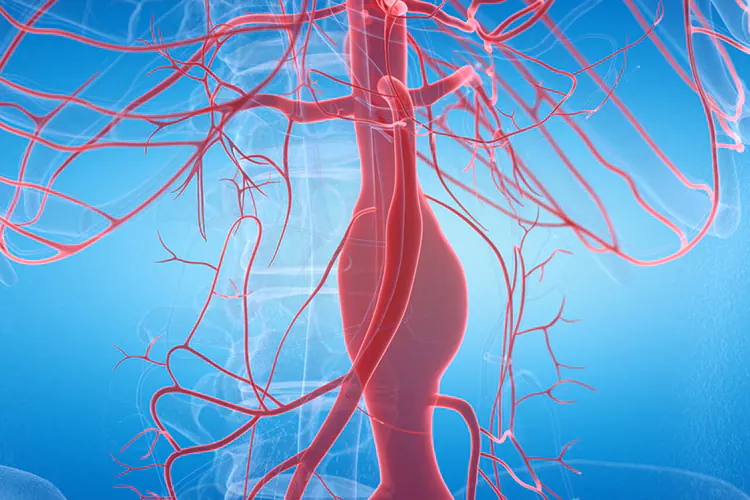
The aorta is a tough, durable draft horse. However, sometimes the aorta’s walls weaken and bulge like a balloon in an aortic aneurysm. As a result, a leak that spills blood into your body could occur.
Naturally, an aortic aneurysm does not cause problems. However, rupturing can cause life-threatening diseases, like kidney damage, stroke, heart attack, or even death. That’s why, if you’re diagnosed with an aneurysm, your doctor will likely want to keep a close watch on you even if you don’t start treatment immediately.
Luckily, this article will discuss more information about this condition. So, keep reading as we look over all you need to know about the aortic aneurysm.
Types of Aortic Aneurysm
Two types of aortic aneurysms are located in different body parts. The thoracic aortic aneurysm is in the chest, while the abdominal aneurysm is in the abdomen.
1) Thoracic Aortic Aneurysm
Thoracic aortic aneurysms (AAA) are less common than abdominal aortic aneurysms. Usually, it grows slowly, and there are often no symptoms, thus making them very difficult to detect. A person with a thoracic aortic aneurysm might not know they have it because symptoms often don’t show up until it becomes large or burst. However, as it grows, they may notice some signs, such as:
- Pain in the chest and back
- Breathing and swallowing difficulties
- Shortness of breath
- Coughing
- Weak voice (Hoarseness)
- Low blood pressure
2) Abdominal Aortic Aneurysm
An abdominal aortic aneurysm is an enlarged part in the lower area of the blood vessels that supply blood to the body. The aorta goes from the heart to the centre of the chest and abdomen. Since the aorta is the largest blood vessel in the body, a rupture of the abdominal aortic aneurysm can cause life-threatening bleeding.
Just like the thoracic aortic aneurysm, abdominal aortic aneurysm often grows slowly and with no noticeable symptoms, thus making it difficult to detect. However, if the aortic aneurysm starts to grow larger, you’ll notice some signs, such as:
- Deep, constant pain in the belly or side of the belly (abdomen)
- Pain in the back
- A pulse near the bellybutton
3) Cerebral Aortic Aneurysm
A cerebral aortic aneurysm occurs in the blood vessels in the brain. They’re sometimes called brain or intracranial aneurysms. Aneurysms are often found in the brain within the skull, in subarachnoid space. A cerebral aneurysm has different sizes; the small is about 1/8 inch, while the large is 1 inch. Aneurysms more prominent than 1 inch are called giant aneurysms; they pose a high risk and are challenging to treat. The exact cause of a cerebral aneurysm is still unknown.
A study by the National Institute of Neurological Disorders and Stroke proves that about 30,000 people between the ages of 30 and 60 are affected by ruptured cerebral aneurysms yearly.
Causes of Aortic Aneurysm
There are various causes of thoracic aortic aneurysms. Firstly, genes significantly affect a person’s chances of having it. Also, some conditions that a person can be born with can affect the aorta; this includes the bicuspid aortic valve, Loveys-Dietz syndrome, and Marfa syndrome. Other causes include:
- High blood pressure
- High cholesterol
- Infection
- Traumatic injury
- Hardening of the arteries
- Dizziness
Symptoms of Aortic Aneurysm
Usually, people are not aware that they have an aortic aneurysm. This is because an aortic aneurysm often doesn’t show symptoms until it ruptures.
If an aneurysm bursts, it is a medical emergency that should be treated immediately, so call the emergency number if you or someone you are with suffers a ruptured aneurysm.
Some symptoms of a ruptured aneurysm come on suddenly and include:
- Light-headedness or dizziness
- Rapid heart rate.
- Sudden, severe pain in the chest, abdomen, or back.
It is, however, best to find an aortic aneurysm before it ruptures, as it offers you the best chance of recovery. As an aortic aneurysm grows, you might start to see some symptoms, including:
- Breathing difficulty
- Feeling full even after a small meal.
- Pain wherever the aneurysm is enlarging; it could be either in your neck, back, chest, or abdomen
- Experiencing pain or difficulty when swallowing
- Swelling of your arms, neck, or face.
What Are the Risk Factors for an Aortic Aneurysm?
Your gene and way of life can play a significant role in your chances of developing an aortic aneurysm. Usually, aortic aneurysms occur most in people who:
- Are over age 65
- Smokes
- Were assigned male at birth
- Who are hypertensive
- Have a family history of aortic aneurysms
Diagnosis and Treatment
Your doctor can diagnose an aortic aneurysm by conducting tests such as an X-ray, an echocardiogram, an ultrasound, or a CT scan. Also, it’s usually monitored yearly to assess for any growth.
Having a regular check-up, especially for specific genetic conditions, can also help your medical professional to detect if your chances are higher. If they are, they might put you on medications to lower your cholesterol and reduce your blood pressure level.
You might, however, need surgery if your aortic aneurysm becomes a severe problem or proliferates in size. During the surgery, your doctor will replace the damaged section of your aorta with an artificial tube. Once the tube is in place, the graft strengthens that part of the aorta.
How Common Are They?
Abdominal aortic aneurysms often occur among men and people assigned male at birth than women. It affects about 1% of men between 55 and 64. However, it has become more familiar with every decade that passes. The probability of men developing aortic aneurysm increases by up to 4% after every ten years of life.
Abdominal aortic aneurysms are more common than thoracic aortic aneurysms. This results from the wall of your thoracic aorta being thicker and more robust than the wall of your abdominal aorta.
Conclusion
Taking the necessary steps to improve your heart’s health can help prevent aortic aneurysms from growing or worsening. It would be best if you speak to an experienced vascular surgeon about the changes you can make to help prevent aortic aneurysms. If you are already at risk for an aortic aneurysm, make sure to go for regular screenings and check-ups. It is best to find and treat an aneurysm early as it reduces the risk of rupture (burst) or other complications.
Related articles: