
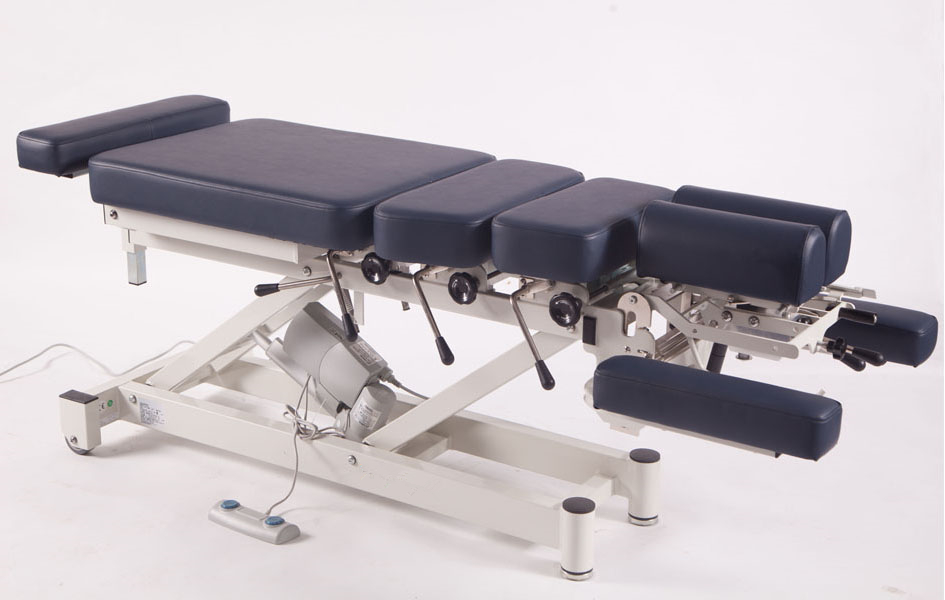

Choosing between a Drop Table and the traditional manual adjustment technique is a pivotal decision that can shape the future of your chiropractic practice. The implications go beyond patient comfort, extending to the efficiency and longevity of your clinic.
Dealing with imported tables can be a headache, given the exorbitant shipping costs and the frustration of sifting through sub-par options. We understand the challenges faced in Australia, from financial burdens to the quest for quality. We’re here not just to inundate you with facts but to guide you towards a decision that aligns with your practice, patients, and peace of mind.
Drop Table – The Modern Approach
You’ve likely caught wind of the buzz surrounding Drop Tables. Essentially, it’s the Swiss Army knife in the chiropractic toolkit, featuring adjustable sections that can be lowered for targeted adjustments, enhancing the overall experience for patients.
- Benefits
One standout advantage is the alleviation of physical strain on practitioners. This translates to the ability to see more patients without feeling fatigued. The primary goal remains ensuring patients leave the table feeling revitalized. Precision is the real winner here – getting it right the first time, every time.
- Limitations
No tool is flawless, and Drop Tables are no exception. Some body adjustments can be challenging, and it’s not a one-size-fits-all solution. Additionally, there’s a learning curve associated with adopting new technology, but with training, mastery is achievable.
Manual Adjustment – The Time-Tested Technique
Let’s revisit the cornerstone of chiropractic care – manual adjustment. This age-old technique, rooted in the inception of chiropractic practice, relies on the purity of the human touch, with hands directly connecting with the body, discerning the nuances of the spine, and responding with precision.
- Benefits
The hands-on approach creates a feedback loop that machines cannot replicate. As hands glide and press, practitioners listen to the body’s response and subtle shifts. Practicality is evident in the flexibility to adapt tactics for each unique patient. The therapeutic alliance formed through this approach goes beyond mere treatment; it fosters a connection based on understanding and care.
- Limitations
Despite the poetry in motion, manual adjustments are physically demanding, taking a toll on chiropractors over time. Not every patient is a fan, with some finding the pressure, cracks, and proximity discomforting.
Navigating the Australian Chiropractic Landscape
Navigating the online market for the ideal chiropractic table is no easy task in Australia. The perfect find is not just a click away, accompanied by hefty shipping fees that rival the discomfort of patients during an adjustment. The influx of sub-par tables adds to the challenge, offering more choices but often resulting in durable as a chocolate teapot.
Omni Tables
Picture a game-changing table – one that goes beyond mere durability, embracing modularity and catering specifically to the needs of Aussies. Enter Omni Tables, the unsung heroes of chiropractic equipment. These tables transcend conventional utility; they represent a strategic financial and practice investment poised for substantial growth.
Omni Tables are designed for adaptability. As your practice evolves, so do these tables, ensuring you’re not just acquiring furniture but investing in a dynamic partner that grows with you. Bid farewell to the hassle of rearranging your equipment every time an upgrade is in order.
So, take a moment, step back, and consider this: purchasing an Omni Table is not merely a transaction; it’s a commitment – a commitment to quality, sustainability, and a practice ready to embrace the future. It’s not just an expenditure; it’s a profitable investment in a table built to endure and adjust to your expanding requirements.
Choosing What’s Right for Your Practice
Selecting between a drop table and manual adjustment isn’t a one-time decision; it’s a choice that evolves with your practice. Instead of viewing it as picking a team, envision it as crafting a strategy for your practice’s continual success.
Navigating Your Practice Landscape
Whether you’re steering a cozy clinic with an intimate community ambiance or orchestrating a bustling hub reminiscent of Sydney’s George Street at lunchtime, your chiropractic approach plays a pivotal role. For those fostering a close-knit feel, manual adjustments may be the cornerstone—personal, hands-on, and instrumental in building patient rapport. On the flip side, if your clinic is a hive of activity with a high patient volume, introducing a chiropractic drop table could be a game-changer. Achieving efficiency without compromising quality becomes paramount in such scenarios.
As different as night and day, your patient demographic can range from elderly individuals to athletes and desk-bound professionals. Recognizing that each group harbors unique needs is essential. Embracing a one-size-fits-all methodology simply doesn’t suffice. A strategic blend of manual adjustments and drop table techniques allows for a more tailored treatment approach, addressing the individual requirements of diverse patients under your roof.
The art of manual adjustments hinges not only on your chiropractic skills but also on your physical prowess. Acknowledging that this profession demands strength and dexterity is crucial. There’s no shame in admitting that incorporating a drop table into your practice could alleviate strain on your shoulders—quite literally. It’s about finding a balance that optimizes patient care while considering the well-being of the chiropractor.
Embrace Evolution
The chiropractic landscape you navigate today may not mirror the one you traverse in five years. Flexibility and adaptability are your allies in this ever-evolving field. Regular reassessment is key; what proves effective today may lose its edge tomorrow. Stay agile, remain open to change, and make necessary adjustments, both in technique and approach, as your practice flourishes.
Patient Care and Practice Growth
Beyond the dichotomy of drop table versus manual adjustment lies the crux of chiropractic practice—delivering exceptional care and fostering a thriving environment. Both techniques occupy a valuable space, and the onus is on you to strike the perfect balance. As a chiropractor, you wear multiple hats—you are the caretaker of your community’s well-being and a savvy business owner rolled into one. In the synergy of patient care and practice growth, find the equilibrium that propels your chiropractic journey forward.