
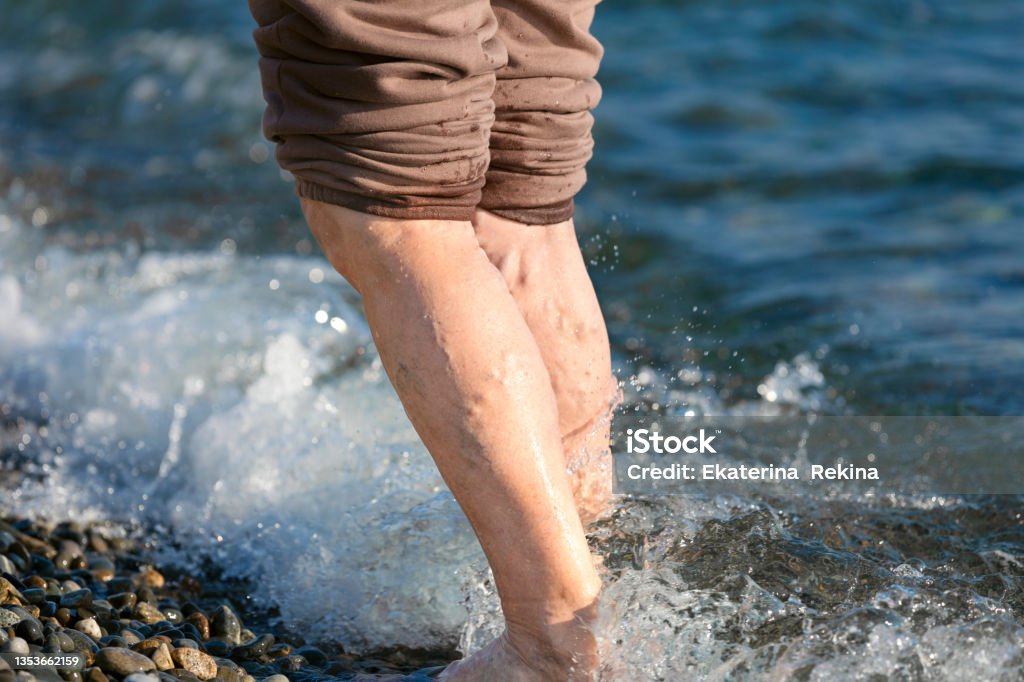

Have you ever experienced those moments when you catch yourself hesitating to wear your favorite skirt or shorts, not because you’re unsure about your fashion choices, but because you’re concerned about those sneaky, winding veins making their presence known on your legs? We get it.
It’s time to address a topic that many of us might have secretly wondered about but hesitated to talk about: varicose veins. Those meandering blue or purple lines that have a way of impacting not just our appearance, but also our confidence and comfort. If you’ve ever felt that hint of self-consciousness or dealt with discomfort due to these veins, this blog is your warm sanctuary.
We understand the struggles that come with this condition – from wanting to flaunt your style without inhibition to finding relief from the occasional aches that just won’t quit.
Well, consider this blog your essential guide to everything you need to know about varicose veins, but with a refreshing twist.
What are Varicose Veins?
Varicose veins are a common condition that affect many people, particularly women. In order to understand why these veins become enlarged and twisted, it’s important to first understand how healthy veins work.
Veins are part of the circulatory system, which is responsible for transporting blood throughout the body. Blood flows from the heart through arteries, which carry oxygen-rich blood to the body’s tissues. Once the tissues have used up the oxygen, the blood returns to the heart through a network of veins.
Veins have a more difficult job than arteries because they have to work against gravity to return blood to the heart. To help with this, veins have small, one-way valves that prevent blood from flowing backwards. These valves open and close to allow blood to flow toward the heart and to prevent it from flowing back down the veins.
When these valves become weakened or damaged, they can’t perform their job properly. This means that blood can start to pool in the veins and cause them to become swollen and visible. This is what leads to varicose veins.
Varicose veins can cause a range of symptoms, from mild discomfort to pain and swelling. They can also be unsightly and can affect a person’s confidence. While they are usually not a serious medical problem, they can sometimes lead to complications such as ulcers or blood clots.
Common Causes and Risk Factors
Genetics
One of the primary risk factors for developing varicose veins is genetics. If one or both of your parents have had varicose veins, you are more likely to develop them as well. This is because genetics can play a significant role in determining the strength and elasticity of your veins. Unfortunately, there is little we can do to prevent or control this risk factor.
Age and Gender
As we age, our veins begin to lose their elasticity and become less efficient at returning blood to the heart. This can lead to problems with circulation and the development of varicose veins. Women are also more likely to develop varicose veins than men because of hormonal changes during pregnancy and menopause.
Lifestyle Factors
Several lifestyle factors can also contribute to the development of varicose veins. Prolonged standing or sitting, for example, can put increased pressure on the veins in your legs, leading to the formation of varicose veins. This is because the blood is not flowing effectively through the veins and blood vessels, leading to pooling and dilation of the vein walls.
Pregnancy
During pregnancy, the uterus can put pressure on the veins in the pelvis, increasing the risk of varicose veins. Additionally, hormonal changes during pregnancy can cause the walls of the veins to relax, making them more susceptible to dilation and swelling.
If you work in an office or have a desk job, sitting for extended periods of time can also exacerbate the condition. One way to prevent this is to take small breaks every hour or so to stand up and stretch your legs. You can also try wearing compression stockings, which help to improve circulation in the legs and reduce the risk of developing varicose veins.
Maintaining a healthy lifestyle by exercising regularly and eating a balanced diet can also help to prevent varicose veins. Exercises such as walking, cycling, and swimming can all help to improve circulation and reduce the risk of developing varicose veins.
Identifying Symptoms
Varicose veins are not only unsightly but can also cause discomfort and pain. Identifying symptoms can help in managing and preventing the condition from getting worse.
The following are common symptoms of varicose veins:
Visible bulging veins: This is one of the most apparent symptoms of varicose veins. The veins become enlarged, twisted, and rope-like, making them visible on your skin. The veins are usually blue or purple in color.
Aching: You may experience a dull ache in your legs, especially after standing or sitting for long periods. The aching may also occur after exercising or at the end of the day.
Throbbing: Throbbing usually accompanies aching in the legs. It is a pulsing sensation that comes and goes, often felt in the lower legs.
Heaviness in the legs: You may experience a sensation of heaviness in your legs, like they are weighed down by something. This is more common at the end of the day, especially if you have been sitting or standing for long periods.
Cramps: Cramps in the calves are a common symptom of varicose veins. These cramps are sudden and can be painful, especially at night.
Itching: Itching can also be a symptom of varicose veins. The skin around the affected veins may become dry, itchy and irritated.
Now that you know the symptoms of varicose veins, you may wonder how they impact your daily life. Exercising may become uncomfortable as you may feel heaviness, throbbing or aching in your legs. Shorts may also be uncomfortable or unflattering as visible bulging veins can make you self-conscious.
Lifestyle Modifications for Prevention
While there are medical treatments available, lifestyle changes can make a big difference in preventing and managing varicose veins.
Regular exercise: Exercise is an important part of maintaining good health. Physical activity helps improve blood circulation and strengthens the muscles in your legs. Try to incorporate some form of physical activity into your daily routine, such as walking or cycling. Moderate exercise for about 30 minutes a day can go a long way in helping prevent varicose veins.
Maintaining a healthy weight: Excess weight places additional pressure on your veins, which can lead to varicose veins. Maintaining a healthy weight by eating a balanced diet and regular exercise is another way to prevent this condition.
Elevating legs: Elevating your legs is another effective way of reducing pressure on your veins. When sitting or lying down, prop your feet up with a pillow or cushion so that they are higher than your heart. This helps reduce the pressure on your veins and improve circulation.
Avoiding prolonged periods of sitting or standing: Avoiding prolonged periods of sitting or standing is essential for preventing varicose veins. Take short breaks every 20-30 minutes to stretch your legs and move around. If you have a job that requires sitting for long hours, take frequent breaks and walk around for a few minutes to improve blood circulation.
Simple leg exercises: There are many simple leg exercises that you can do at work or home to improve circulation and strengthen your leg muscles. Some of these include:
– Ankle rotations: Rotate your ankles in circular motions, both clockwise and counterclockwise, for a few minutes.
– Toe raises: Stand on your tiptoes and hold for a few seconds, then lower yourself back down. Repeat this exercise several times.
– Leg raise: Lie down on your back and lift one leg at a time, keeping it straight. Hold for a few seconds and then slowly lower it back down. Repeat this exercise with the other leg.
My friend, Sarah, used to suffer from severe varicose veins, which caused her a lot of pain and discomfort. After incorporating regular exercise and elevating her legs, as well as making some dietary changes, she noticed a significant improvement in her condition. She also started doing simple leg exercises at work, which helped her strengthen her legs and improve her circulation. These lifestyle modifications helped Sarah avoid undergoing surgery, and she is now leading an active and healthy life with no symptoms of varicose veins.
When to Seek Medical Help
While lifestyle changes can help manage symptoms, medical assistance may be necessary in some cases. Here’s when to seek immediate medical help:
1. Ulcers: If you notice an ulcer at the lower end of your leg, it could be a sign of a severe case of varicose veins. Ulcers are painful open sores that can cause redness, inflammation, and infection. Seek medical attention to prevent further complications.
2. Skin changes: Any significant change in skin texture or color on your lower legs, feet, or ankle could be a sign of venous insufficiency, the most common cause of varicose veins. These changes include dryness, itching, flaking, or discoloration. A medical professional can diagnose the issue and provide appropriate treatment.
3. Bleeding: Varicose veins can become prone to skin breaks. If you notice bleeding from the affected area, it is essential to see a doctor immediately. Delaying treatment can potentially cause serious complications like thrombosis or blood clotting.
It’s essential to consult a healthcare professional for an accurate diagnosis and tailored advice. They can provide a personalized treatment plan based on your specific case. Don’t hesitate to seek medical help when experiencing severe symptoms that interfere with your daily activities.
Treatment Options
There are several effective treatment options for varicose veins that can help improve quality of life.
Minimally invasive treatments, such as sclerotherapy and endovenous laser therapy, are popular options that offer quick recovery times and high success rates. Sclerotherapy involves injecting a solution into the affected vein, causing it to collapse and eventually be absorbed by the body. This treatment is ideal for smaller veins and is done in a doctor’s office with no need for anesthesia. Endovenous laser therapy involves using a laser to heat and close the vein. This treatment is slightly more invasive and may require local anesthesia, but still allows for a quick recovery time.
Surgical options, such as ligation and stripping, are reserved for more severe cases and are generally considered after conservative approaches have been tried. Ligation involves tying off the affected vein, while stripping involves removing it entirely. While more invasive, these procedures can provide long-term relief and improve overall circulation.
One success story involves a woman who had been experiencing discomfort and embarrassment from her varicose veins for years. After undergoing minimally invasive sclerotherapy, she noticed a significant improvement in her symptoms and was able to wear skirts and shorts without feeling self-conscious. She described the treatment as quick and easy, with no downtime, and was grateful for the improved quality of life it provided.
Wrap Up!
As you move forward, keep in mind that managing varicose veins is a continuous process. It’s important to stay proactive and make lifestyle adjustments to minimize discomfort and prevent further complications. Whether it’s regular exercise, elevating your legs, or wearing compression stockings, small changes can have a big impact.
But don’t let varicose veins define you. Embrace your unique beauty and focus on your overall well-being. Life is too short to let a few visible veins hold you back from enjoying your favorite activities or wearing what you love. You are more than just your physical appearance, and your value extends far beyond the surface.