
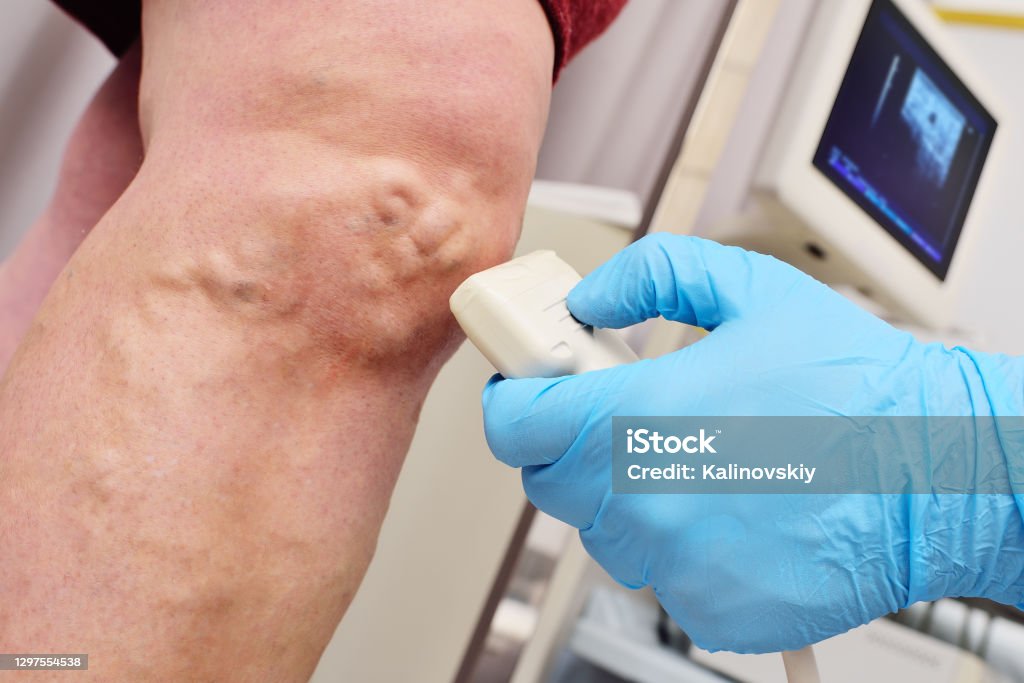

We all know that life is a journey filled with ups and downs, and sometimes those challenges come in the form of health issues that can truly affect our day-to-day experiences. If you’ve ever found yourself avoiding shorts or skirts due to those veins, you’re definitely not alone. Varicose veins, those meandering lines that seem to have a mind of their own, can indeed be quite a nuisance.
In this blog post, we’ll help you make informed decisions about your health. We want to ease your concerns, answer your questions, and clear up the fog that often surrounds this topic.
Myth 1: Varicose Veins Are Purely Cosmetic
Varicose veins may seem like a harmless cosmetic issue but this couldn’t be further from the truth. These bulging, twisted veins can lead to discomfort, pain, and even more serious health issues if left untreated. In fact, varicose veins are often a symptom of underlying venous insufficiency.
Venous insufficiency occurs when the veins in your legs are unable to effectively circulate blood back to your heart. As a result, blood can pool in your legs, causing varicose veins to form. Over time, this can lead to more serious health issues such as leg ulcers and blood clots.
Ignoring varicose veins can also lead to significant discomfort and pain. Individuals with varicose veins may experience aching or throbbing in their legs, especially after long periods of standing or sitting. Other symptoms can include swelling, itching, and a feeling of heaviness or tightness in the legs.
So, while varicose veins may seem like a minor cosmetic concern, they can actually have a significant impact on your health and quality of life. It’s important to seek treatment if you’re experiencing symptoms or if your varicose veins are causing you concern.
Myth 2: Only Elderly Individuals Get Varicose Veins
It’s a common misconception that varicose veins only affect the elderly population. In reality, varicose veins can develop at any age due to a combination of genetic factors, lifestyle, and occupation. Allow me to share the experience of a younger individual who developed varicose veins and the reasons behind it.
Emily, a 29-year-old nurse, was going about her daily routine when she first noticed the bulging veins on her legs. At first, she dismissed it as a temporary condition, but the discomfort persisted, and the veins became more prominent. Emily didn’t believe that someone her age could develop varicose veins, but the reality is that her profession puts her at risk.
Nurses and healthcare professionals are prone to standing or sitting for long hours, which can lead to vein problems. This sedentary lifestyle slows down blood circulation, causing the blood to pool in the veins, leading to varicose veins. The pressure builds up, which weakens the walls of the veins, making it harder for them to function correctly.
Another contributing factor to varicose veins is genetics. If someone in your family has varicose veins, there is a higher likelihood that you may develop them too. In Emily’s case, her mother also had varicose veins. The condition runs in her family, making her more susceptible to it.
Lifestyle factors such as obesity, smoking, and a low-fiber diet can also increase the likelihood of developing varicose veins. The pressure from excess weight can cause veins to dilate, which can lead to the formation of varicose veins.
Myth 3: Crossing Legs Causes Varicose Veins
It’s a common belief, but the truth is a bit more nuanced. While crossing your legs isn’t a direct cause of varicose veins, it can exacerbate existing vein issues in some cases.
Varicose veins occur when the valves in your veins don’t function properly, causing blood to flow backward and pool in the veins. This often results in bulging, twisted veins that can be unsightly and uncomfortable. While there are several factors that can contribute to the development of varicose veins, including genetics and lifestyle habits like standing for long periods of time, crossing your legs isn’t one of them.
That being said, crossing your legs can put additional pressure on your veins, which can make existing vein issues worse. When you cross your legs, you’re essentially squeezing your veins and restricting blood flow. Over time, this can weaken the veins and increase your risk of developing varicose veins.
So, what can you do instead of crossing your legs to promote healthier leg habits? Here are a few tips:
1. Sit with your feet flat on the ground. This helps promote good posture and reduces pressure on your veins.
2. Take breaks and move around. If you spend a lot of time sitting at a desk or in front of a computer, take frequent breaks to stand up and stretch your legs.
3. Wear compression stockings. Compression stockings help promote healthy blood flow and can be especially helpful if you already have existing vein issues.
4. Elevate your legs. If you’re experiencing swelling or discomfort in your legs, try elevating them above heart level to promote healthy blood flow.
Myth 4: Exercise Worsens Varicose Veins
There’s a common misconception that exercise is harmful for individuals with varicose veins, but that couldn’t be further from the truth. Exercise is actually one of the best things you can do to improve circulation and alleviate symptoms associated with varicose veins.
When you engage in physical activity, your muscles contract and squeeze your veins, which helps to pump blood back up towards your heart. This increased circulation can help prevent blood from pooling in your lower legs and feet, which is a common problem for individuals with varicose veins.
While exercise is beneficial for your vein health, it’s important to choose activities that are low-impact to protect your veins. Walking, swimming, and yoga are all great options because they put minimal stress on your joints while still providing an effective workout. Additionally, these activities can help to reduce inflammation and promote flexibility, which are important for maintaining healthy veins.
It’s important to note that high-impact activities like running and jumping can actually worsen varicose veins by putting too much strain on your veins. However, this doesn’t mean that individuals with varicose veins should avoid exercise altogether. Instead, it’s important to find activities that are gentle on your veins while still providing the health benefits of regular physical activity.
Myth 5: Only Women Experience Varicose Veins
Varicose veins are often seen as a women’s issue, but that is far from the truth. Contrary to popular belief, men can also develop varicose veins. Several factors can contribute to the development of varicose veins in men, such as genetics, age, and lifestyle choices.
A common misconception is that varicose veins only occur due to pregnancy, but that is not the case. Men can develop varicose veins due to their occupation or lifestyle, which requires them to stand or sit for extended periods. This can cause a decreased flow of blood in the legs, leading to the development of spider veins.
Moreover, men tend to ignore the warning signs of varicose veins, which can lead to serious health issues. Let’s consider the story of John, a 35-year-old man who ignored his varicose veins for several years. John’s job as a truck driver required him to sit for hours, leading to the development of varicose veins in his legs. He initially ignored the pain and discomfort, but over time, the veins began to bulge and hurt. He realized that he needed treatment when he could barely walk or stand for any extended period.
John’s journey towards treatment was not an easy one. He struggled with finding the right doctor and treatment option. However, once he met with a vein specialist, he learned about minimally invasive treatment options like radiofrequency ablation and endovenous laser treatment. These treatments target the affected veins and seal them shut, redirecting blood flow to healthier veins.
John finally opted for radiofrequency ablation and was surprised at how quick and painless the procedure was. After the treatment, the bulging veins disappeared, and he felt more confident and comfortable in his own skin. He no longer experienced leg pain or discomfort and was able to return to his job with ease.
Wrap Up!
Seeking help for varicose veins is not a sign of weakness, but rather an act of self-care and empowerment. The stories of individuals who dismissed their discomfort as merely cosmetic or age-related, only to discover the immense relief of treatment, are as numerous as they are inspiring. Let these stories serve as a reminder that your well-being matters, and addressing your concerns head-on is a step towards embracing a more active and pain-free lifestyle.
Just as a supportive community can uplift us, the same applies to seeking advice from medical professionals who specialize in venous health. Their insights can provide clarity, dispel any lingering doubts, and lead you toward personalized solutions that cater to your unique circumstances.