
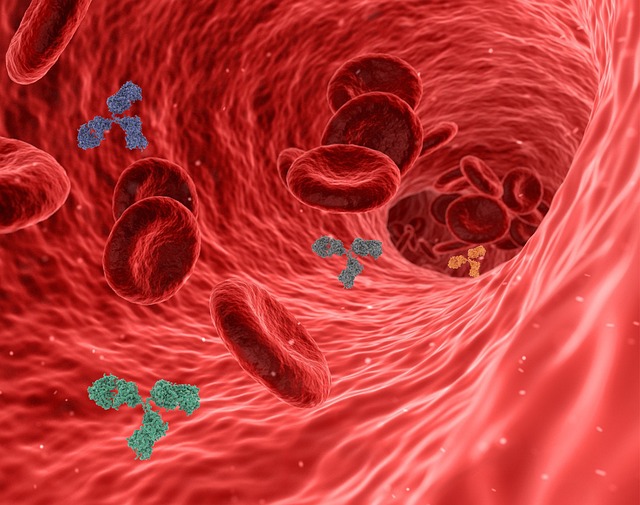

Peripheral vascular disease (PVD) pertains to diminished blood circulation in the blood vessels situated outside the heart and brain. Sometimes referred to as peripheral artery disease, this condition arises predominantly due to atherosclerosis—a process marked by the accumulation of fatty deposits within blood vessels, typically arteries. Gradually, these accumulations lead to the solidification of artery walls, ultimately causing constriction. As a result, the narrowed arteries impede blood flow, consequently heightening the potential for partial or total blockages.
The repercussions of PVD can manifest as severe complications including discomfort, ulcers, infections, gangrene, and the necessity of amputation. Furthermore, individuals grappling with peripheral vascular disease face a considerably elevated risk of encountering heart attacks or strokes. However, it is worth noting that many individuals with PVD might not exhibit any symptoms or remain oblivious to their condition. Hence, comprehending the risk factors, origins, indications, and treatment options associated with PVD is of utmost significance.
Insights into the Origins of Peripheral Vascular Disease
The principal instigator of PVD is atherosclerosis—the accumulation of fatty substances (plaque) along the inner walls of arteries. Consequently, this narrowing of arteries results in reduced blood flow to the affected region. While PVD can influence any bodily region, it is more prone to manifest within arteries supplying blood to the arms, legs, feet, kidneys, stomach, and intestines.
Beyond fatty deposits, other factors attributing to peripheral vascular disease encompass:
- Physical injury to the arms or legs.
- Anomalous anatomical characteristics of blood vessels.
- Certain infections, such as syphilis, capable of triggering PVD.
- The damaging impact of diabetes (high blood sugar) on blood vessels, causing constriction.
- Arteritis—denoting inflammation within blood vessels.
- The potential for obstructions such as blood clots to lodge within blood vessels.
- Vasospasm—referring to abrupt contraction of blood vessel muscles, thereby inducing constriction.
Understanding Risk Factors for PVD
Several elements amplify the likelihood of PVD development. These include:
- Age: Individuals aged 50 or older possess an augmented susceptibility to PVD due to the reduced flexibility of arteries with advancing age, which escalates the risk of plaque buildup and damage.
- Smoking and Tobacco Usage: Smoking adversely affects blood vessel linings, expediting atherosclerosis, and triggers vasospasms and heightened blood clotting.
- Diabetes: Diabetes inflicts damage upon blood vessels, impairing blood circulation.
- Hypertension (High Blood Pressure): Elevated blood pressure strains blood vessels and contributes to atherosclerosis.
- Cholesterol Imbalances: Elevated blood cholesterol levels contribute to the formation of arterial plaque.
- Obesity: Excessive weight places additional strain on the heart and blood vessels, amplifying the likelihood of artery inflammation.
- Inactivity: Physical inactivity diminishes both blood circulation and muscular strength.
- Family History: A genetic predisposition for PVD or other cardiovascular disorders augments the risk.
- Coronary Artery Disease (CAD): Those afflicted by CAD are also prone to PVD development.
Foremost among these risk factors is smoking or tobacco use, with research indicating that 80% of PVD cases correlate with a history of smoking. Furthermore, tobacco use escalates the probability of peripheral artery disease by fourfold.
Deciphering Peripheral Vascular Disease Symptoms
While a substantial portion of PVD cases is asymptomatic or accompanied by minor indications often dismissed as part of the aging process, intermittent claudication stands as the typical initial symptom. This refers to pain or cramping in the legs or arms experienced during physical exertion, relieved upon cessation. Such discomfort stems from insufficient oxygen and nutrient delivery to muscles during activity, subsequently diminishing during rest when muscles require reduced blood flow. As the condition progresses, pain may emerge even during periods of rest.
Additional PVD symptoms encompass:
- Alterations in skin color, temperature, or appearance in the legs or feet, often presenting as pallor, bluish hue, thinness, or dryness.
- Numbness, pain, coldness, or tingling in fingers or toes (rest pain), which can exacerbate at night or when limbs are elevated.
- Reddish-blue discoloration in legs and feet.
- Absent or weak pulses in the legs or feet.
- Sluggish or non-healing wounds (vascular ulcers).
- Hair loss on legs or arms.
- Brittle or opaque toenails.
- Erectile dysfunction in males.
- Gangrene—necrotic skin tissue due to inadequate blood flow.
These symptoms often go unnoticed or are attributed to alternative causes, causing delays in diagnosis and intervention. Consequently, prompt consultation with a medical professional is advisable upon the abrupt emergence of symptoms like cold, painful, pale limbs accompanied by weak or absent pulses.
Diagnostic Procedures for PVD
The diagnosis of PVD commences with a comprehensive evaluation of medical and family histories, coupled with an extensive physical examination. During this process, a healthcare provider examines the affected area, assessing pulse strength, blood pressure, heart rate, temperature, and visually scrutinizing skin for indications of reduced blood flow. Using a stethoscope, they also listen for anomalies in blood flow through vessels (referred to as a bruit).
To substantiate the diagnosis and ascertain the condition’s severity and location, physicians might perform the following tests:
- Ankle-Brachial Index (ABI) Test: This entails comparing blood pressure readings in the ankles with those in the arms, aiming to identify discrepancies. A diminished ABI value points to decreased leg blood flow attributed to PVD.
- Doppler Ultrasound: This non-invasive test employs high-frequency sound waves to produce images of blood vessels, determining the speed and direction of blood flow. Scant or absent sound signals suggest compromised blood flow.
- Angiography: Involving the introduction of a contrast dye into blood vessels, angiography renders arteries or veins visible via X-ray imaging. The test aids in identifying vessel blockages, narrowing, or clotting.
- Magnetic Resonance Angiography (MRA): Capitalizing on magnetic fields and radio waves, MRA generates detailed images of blood vessels without necessitating contrast dye or X-rays, thereby revealing artery constriction or blockages.
- Treadmill Exercise Test: This involves walking on a treadmill while medical professionals monitor blood pressure fluctuations in the affected region.
Treatment Approaches for Peripheral Vascular Disease
Efforts to manage PVD revolve around alleviating symptoms and impeding its progression to avert heart attacks, strokes, and related complications. Treatment strategies hinge on the condition’s severity and symptoms, encompassing:
1. Lifestyle Adjustments
Lifestyle modifications take precedence as the initial line of PVD management. Healthcare providers advocate adopting a health-conscious regimen encompassing regular exercise, balanced nutrition, diabetes management, weight reduction (if overweight), and abstaining from tobacco products.
2. Medications
Should lifestyle changes prove insufficient, medical practitioners may prescribe medications like antiplatelet agents (blood thinners) and cholesterol-lowering drugs. These medications mitigate blood clot and plaque formation risks. Vasodilators might also be administered to dilate blood vessels and augment blood flow to affected regions.
3. Endovascular Interventions
Minimally invasive procedures such as angioplasty and stenting constitute endovascular interventions. In angioplasty, a catheter with a balloon at its tip is introduced into the narrowed artery and inflated to widen it and restore blood flow. In some cases, a stent—a small metal mesh tube—is placed within the artery to uphold its openness.
4. Surgical Interventions
Surgical measures may be warranted in severe cases, particularly when endovascular interventions are ineffective or when a substantial segment of blood vessels is compromised. Options encompass:
- Bypass surgery, involving rerouting blood flow around a constricted or blocked vessel through grafts from synthetic tubes or healthy veins.
- Endarterectomy, entailing the removal of arterial plaque to augment blood flow.
- Amputation, as a last-resort option in cases where alternative treatments are unfeasible or unsuccessful, necessitating removal of severely damaged limbs.
Preventive Measures for PVD
Mitigating risk factors constitutes the paramount strategy for PVD prevention, which entails:
- Quitting Smoking: Eliminating tobacco use and minimizing exposure to secondhand smoke.
- Diabetes Management: Effectively controlling blood sugar levels for those with diabetes.
- Blood Pressure and Cholesterol Control: Ensuring optimal blood pressure and cholesterol levels.
- Weight Management: Achieving and maintaining a healthy weight, coupled with regular physical activity (at least 30 minutes daily, five times weekly).
- Nutrition: Adopting a diet low in saturated fat, while being rich in fiber, fruits, and vegetables.
Consultation with a medical professional is recommended upon manifestation of any PVD symptoms. An early diagnosis facilitates symptom reduction and initiates timely treatment, consequently enhancing its effectiveness.