
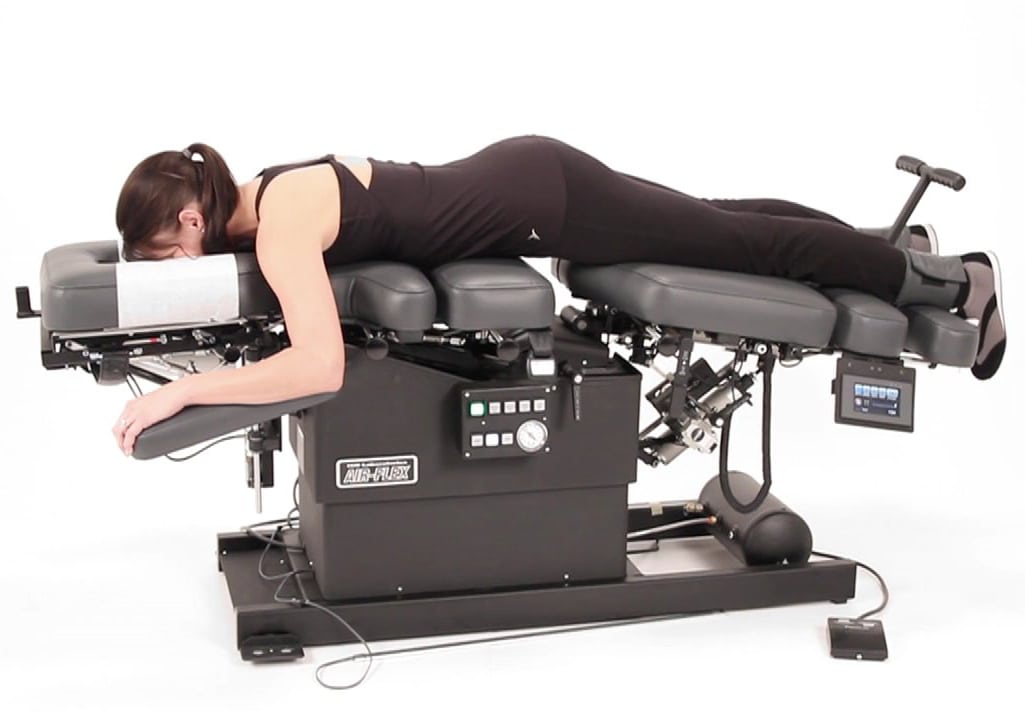

You might not have given much thought to those cozy, cloth-covered treatment tables before, but believe it or not, they harbor hidden health hazards that can jeopardize our health. Let’s discuss the risks of microbial and allergenic contamination and discover how to safeguard ourselves from these lurking dangers.
The Link between Cloth-Covered Chiropractic Tables and Allergic Reactions
Allergies can be a real drag. Sneezing, itchy eyes, and congestion are some of the worst symptoms that come to mind when you think about allergies. Your chiropractic table could be the culprit behind your allergic reactions. Yes, that’s right. The cushioned, cloth-covered tables used in chiropractic clinics could be harboring allergens that can trigger your symptoms.
So, what are these allergens that can accumulate on unclean tables? Well, it’s not just the typical suspects like dust and pet dander. Bacteria, viruses, and fungal spores can all lurk in the fibers of the cloth-covered chiropractic tables. As these allergens accumulate, they can become a breeding ground for even more harmful pathogens.
If you think this is an over-exaggeration, think again. Many people have experienced allergic reactions due to unhygienic treatment tables. I’m sure you don’t want to end up like one of these people who needlessly suffer from the consequences of unsanitary clinic furniture.
But, there’s good news! You can take steps to protect yourself from these allergens. First and foremost, ask your chiropractic clinic about their cleaning routines. Make sure that they are using appropriate cleaning agents and that the tables are being cleaned regularly. You can also bring your own clean towel or sheet to place over the table for additional protection.
Respiratory Problems
As chiropractors, we understand the importance of a clean and hygienic environment for the health and well-being of our patients. Dirty and dusty tables can accumulate mold and other respiratory irritants that pose significant risks to patients, particularly those with asthma and other respiratory conditions.
Breathing in these irritants can cause a range of respiratory issues, from mild coughing and wheezing to more severe complications such as bronchitis and pneumonia. In some cases, these problems can lead to chronic conditions that affect a patient’s quality of life over the long-term.
It’s essential to take a proactive approach to avoiding the impact of unclean tables by prioritizing regular dusting and air purification. By taking these simple steps, you can help ensure that your patients breathe easy, stay healthy, and enjoy improved well-being.
When it comes to keeping your tables clean, it’s essential to use a high-quality cleaning solution that is gentle on surfaces but effective in removing dirt and grime. Wiping down your tables with a damp cloth after each use may seem like a small detail, but it can make a big difference in preserving the health of your patients.
Investing in an air purification system can also help mitigate respiratory irritants and promote overall health and well-being. These systems work by trapping particles in the air and preventing them from circulating in the environment, reducing the chances of respiratory complications as a result.
Infections – When a Simple Adjustment Turns Risky
Unclean tables can be a breeding ground for infection and illness, leading to more than just a simple adjustment. There have been notable cases of infections attributed to unsanitary chiropractic tables, with patients developing serious illnesses after leaving the clinic.
Now, I’m not saying you should avoid chiropractic adjustments altogether, but it’s important to recognize the potential risks and take precautions to protect yourself. That’s where proper sanitation practices and the use of disinfectants in clinics come into play. Chiropractic clinics should be regularly cleaning and disinfecting their tables and equipment to prevent the spread of harmful bacteria and viruses.
But patient responsibility should also be addressed. You have a right to voice concerns about the cleanliness of the clinic and request that proper sanitation measures are taking place. And ultimately, it’s up to you to choose a chiropractic clinic that prioritizes cleanliness and hygiene to safeguard your own health.
A Hygiene Checklist to Keep Chiropractic Tables Sparkling Clean
As a chiropractor, you want your patients to feel confident and at ease during their treatments. One way to do this is by ensuring that your treatment tables are always sparkling clean. Not only does a clean and disinfected table help to promote optimal hygiene and prevent the spread of germs and bacteria, but it also gives your patients peace of mind knowing that you take hygiene seriously.
To help you maintain a high level of cleanliness and hygiene in your practice, we have prepared a comprehensive hygiene checklist for keeping your tables in top condition.
Here’s what you need to know:
Step 1: Gather your cleaning products and equipment
To start, make sure you have the necessary cleaning products and equipment on hand. We recommend using a cleaning solution that is specifically designed for use on healthcare surfaces. These products are designed to kill bacteria and viruses on contact and are safe to use on most surfaces.
In addition to your cleaning solution, you will also need some paper towels or a clean cloth to wipe down the surface of the table. Finally, don’t forget to put on gloves to protect your hands from any potential germs or bacteria.
Step 2: Remove any debris or clutter
Before you begin cleaning, make sure to remove any debris or clutter from the surface of the table. This includes any paperwork, cushions, or other accessories that may have accumulated during the day. You want to have a clear, unobstructed surface to work with.
Step 3: Clean the surface of the table
Once you have a clear surface to work with, it’s time to clean the table. Use your cleaning solution to wipe down the surface of the table, paying special attention to areas that are frequently touched, such as the headrest and armrests. Make sure to wipe down the entire surface of the table, including any crevices or seams where dirt and grime may accumulate.
Step 4: Disinfect the surface of the table
After cleaning the surface of the table, it’s important to disinfect it to kill any remaining bacteria and viruses. Use your disinfectant solution to wipe down the entire surface of the table, making sure to let it sit for the recommended amount of time to ensure maximum effectiveness. Typically, this is just a few minutes.
Step 5: Wipe down and disinfect any accessories
In addition to the table itself, don’t forget to wipe down and disinfect any accessories that may have been used during the treatment, such as pillows or cushions. These items can harbor germs and bacteria and should also be disinfected regularly.
Step 6: Display visible hygiene practices
Finally, it’s important to display visible hygiene practices in your practice to reassure your patients. This can include signs reminding patients to wash their hands and wear gloves, as well as providing hand sanitizer or wipes in the waiting area.
Conclusion
Your health is too precious to be compromised on a chiropractic treatment table. Understanding the risks of microbial and allergenic contamination is the first step in safeguarding yourself and others. By adopting proper maintenance, table cleaning, and disinfection protocols, chiropractors can create a safe and welcoming environment for patients, promoting better health outcomes for all. Together, let’s ensure that every session on the chiropractic table is as beneficial as it should be – without any hidden dangers.