
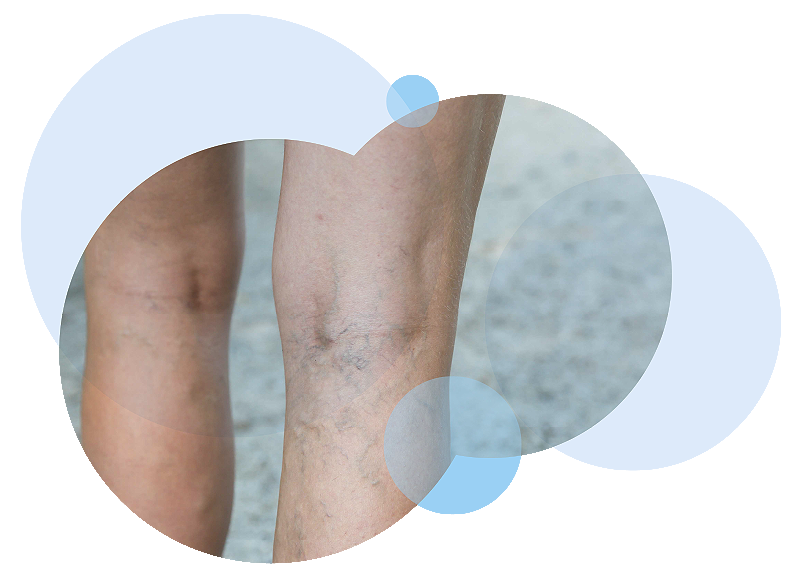

Varicose veins and spider veins may sound similar, but they’re actually two different conditions. Varicose veins are enlarged, twisted, and bulging veins that usually develop in the legs, while spider veins are smaller, web-like veins that appear on the skin’s surface. Both conditions are caused by weakened or damaged valves in the veins, which prevent the blood from flowing properly back to the heart.
Understanding Varicose Veins and Spider Veins
Varicose veins and spider veins are common conditions that affect the veins in our legs. Although they may seem similar, there are distinct differences between the two. Varicose veins are enlarged, swollen, and often twisted veins that commonly appear as bulging cords on the legs. Spider veins, on the other hand, are smaller and closer to the skin’s surface, appearing as thin, red, or blue lines that resemble spider webs or branches.
Causes and Risk Factors
Both varicose veins and spider veins are primarily caused by weakened or damaged valves within the veins. When these valves don’t function properly, blood flow becomes inefficient, leading to the pooling of blood and the subsequent enlargement of veins. Several factors can increase the risk of developing these conditions, including:
- Family history: A family history of varicose veins or spider veins increases your likelihood of developing them.
- Age: The risk of developing vein problems tends to increase with age.
- Gender: Women are more likely to develop varicose veins and spider veins, primarily due to hormonal influences and pregnancy.
- Prolonged standing or sitting: Occupations that involve prolonged periods of standing or sitting can contribute to the development of vein problems.
- Obesity: Excess weight puts additional pressure on the veins, making them more susceptible to damage.
- Lack of exercise: Inactivity can weaken the vein walls and impair proper blood circulation.
Common Symptoms and Complications
Both varicose veins and spider veins can cause a range of symptoms, including:
- Visible veins: Bulging, twisted veins (varicose veins) or fine, web-like lines (spider veins).
- Leg pain or aching: Discomfort or a heavy feeling in the legs, especially after prolonged periods of standing or sitting.
- Swelling and inflammation: The affected area may become swollen, and the skin may appear red and irritated.
- Leg cramps: Painful muscle spasms, particularly at night.
- Itching or burning sensation: Skin around the affected veins may itch or feel warm.
If left untreated, varicose veins and spider veins can lead to complications such as:
- Blood clots: In some cases, blood clots may form within the affected veins, leading to a potentially serious condition called deep vein thrombosis (DVT).
- Ulcers: Severe varicose veins can cause skin ulcers, especially near the ankles. These ulcers are painful and may be difficult to heal.
- Bleeding: Fragile veins close to the skin’s surface can easily rupture and result in bleeding.
When to Seek Medical Attention
It’s important to consult a healthcare professional if you experience any of the following:
- Severe pain or swelling in the leg.
- Skin changes or sores around the affected veins.
- Bleeding from varicose veins.
- Symptoms that significantly affect your quality of life or daily activities.
Treatment Options
Fortunately, several treatment options are available to manage varicose veins and spider veins. The choice of treatment depends on the severity of the condition and the individual’s preferences. Here are some common treatment options:
- Lifestyle changes:
- Regular exercise: Engage in activities that promote good circulation, such as walking or swimming.
- Weight management: Maintain a healthy weight to reduce pressure on the veins.
- Leg elevation: Elevate your legs above heart level for short periods to improve blood flow.
- Compression stockings:
- Pros: Compression stockings improve circulation, reduce swelling, and alleviate discomfort.
- Cons: They need to be worn consistently, and they may be uncomfortable during hot weather.
- Recovery time: Immediate relief with continued use.
- Sclerotherapy:
- Procedure: A solution is injected into the affected veins, causing them to close and eventually fade.
- Pros: Non-surgical, effective for both varicose veins and spider veins, and minimal recovery time.
- Cons: Multiple sessions may be required, and mild discomfort or bruising may occur.
- Recovery time: Typically, you can resume normal activities immediately.
- Laser or radiofrequency ablation:
- Procedure: Heat energy is used to close off the affected veins, redirecting blood flow to healthier veins.
- Pros: Minimally invasive, less scarring compared to surgery, and generally well-tolerated.
- Cons: May not be suitable for all types of veins, and some discomfort or bruising may occur.
- Recovery time: Most people can resume normal activities within a day or two.
- Vein stripping or ligation:
- Procedure: Surgically removing or tying off the affected veins through small incisions.
- Pros: Effective for large varicose veins, but less commonly used due to more invasive nature.
- Cons: Requires anesthesia, longer recovery time, and potential for scarring.
- Recovery time: Several weeks to return to normal activities.
Prevention and Tips for Healthy Veins:
While it’s not always possible to prevent varicose veins and spider veins entirely, the following tips can help reduce the risk and maintain healthy veins:
- Stay active: Regular exercise, particularly activities that involve leg movement, helps improve circulation.
- Maintain a healthy weight: Aim for a balanced diet and manage your weight to reduce pressure on your veins.
- Avoid prolonged sitting or standing: Take regular breaks and incorporate movement into your daily routine.
- Elevate your legs: Raise your legs above heart level whenever possible to promote better blood flow.
- Wear compression stockings: Consider wearing compression stockings if you are at risk or experiencing mild symptoms.
- Avoid crossing your legs: Sitting with crossed legs can restrict blood flow, so try to keep your legs uncrossed.
- Wear comfortable shoes: Choose footwear that provides adequate support and avoids high heels or tight shoes.
Insurance Coverage Options for Varicose and Spider Vein Treatment
There are several treatment options available, but many people are left wondering if their insurance plan will cover the cost of these treatments.
The first step in understanding insurance coverage for varicose vein and spider vein treatment is to check with your insurance provider. In general, most insurance plans will cover medically necessary treatments, such as those for severe pain or complications like blood clots and bleeding.
The requirements for qualifying for insurance coverage may vary depending on your insurance provider. Some insurance companies may require a doctor’s referral, while others may require a specific number of failed attempts at non-invasive treatments before approving more invasive treatments.
While insurance coverage for varicose vein and spider vein treatment is not guaranteed, some insurance plans are more likely to provide coverage. Medicare and Medicaid typically provide coverage for necessary treatments, while private insurance plans may vary based on the type of plan and the specific insurance provider.
For example, Blue Cross Blue Shield of Texas provides coverage for varicose vein treatments if they are deemed medically necessary. However, coverage may not be provided for cosmetic treatments that are not considered medically necessary.
Before seeking treatment for varicose veins or spider veins, it’s important to ask your healthcare provider about insurance coverage and what types of treatments are likely to be covered. It’s also important to ask about potential risks and benefits associated with each treatment option so that you can make an informed decision about your care.
Some tips for individuals seeking treatment for varicose or spider veins include:
- Check with your insurance provider to determine coverage for treatment options.
- Ask your healthcare provider about potential risks and benefits associated with each treatment option.
- Keep track of symptoms and document how they impact your daily life to support medical necessity claims.
- Consider lifestyle changes, such as exercise and maintaining a healthy weight, to prevent further vein damage.
Conclusion
Varicose veins and spider veins are common vein conditions that can cause discomfort and complications if left untreated. If you’re experiencing symptoms, seek medical attention to determine the best treatment option for you. By taking preventative measures and maintaining healthy habits, you can keep your veins healthy and prevent these conditions from developing.