
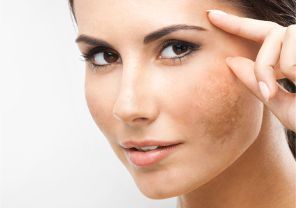

Our skin is a crucial organ that shields us from the outside world, but it may also develop a number of illnesses and flaws. Pigmentation is one of the most frequent skin-related worries. Pigmentation problems, such as dark patches, freckles, or an uneven skin tone, can lower our self-esteem and cause us to feel self-conscious about our appearance.
This thorough guide will cover all aspects of skin pigmentation, including its causes, types, prevention, several ways to remove pigment, and available treatments.
How does skin pigmentation work?
The term “skin pigmentation” describes the skin’s innate color. The melanin pigment seen in human skin is created by special cells called melanocytes that are found in the epidermis, the top layer of the skin. The skin’s color is determined by the amount and distribution of melanin within it.
Melanin is more prevalent in people with darker skin than it is in people with fairer complexion. Skin patches may seem darker or lighter than the surrounding area when too much or too little melanin is produced.
The two primary types of pigmentation are as follows:
When melanin is produced in excess, a condition known as hyperpigmentation takes place, causing darker patches or spots to appear on the skin. Age spots, melasma, and post-inflammatory hyperpigmentation (PIH) are examples of common hyperpigmentation forms.
Hypopigmentation: Unlike hyperpigmentation, which results in darker patches or areas of skin, hypopigmentation is a reduction in melanin production. Hypopigmentation includes conditions like albinism and vitiligo.
Skin pigmentation’s root causes
Skin pigmentation is influenced by several different causes. Among the most typical ones are:
Overexposure to the sun’s ultraviolet (UV) light is a primary contributor to pigmentation problems. The overproduction of melanin is activated as a defense mechanism when you spend too much time in the sun’s harmful rays, which causes the development of dark spots. Applying high-quality sunscreen with at least 30 SPF is advised if you plan to spend a lot of time outside.
Hormonal fluctuations can cause hyperpigmentation, especially melasma, commonly referred to as the “mask of pregnancy,” which is characterised by dark patches on the face. Hormonal fluctuations can also occur during adolescence, pregnancy, menopause, or while using hormonal contraceptives.
Skin injuries and inflammation: Post-inflammatory hyperpigmentation (PIH) can result from inflammatory skin disorders such as acne, eczema, burns, wounds, or other skin injuries. Melanocytes overproduce melanin as part of the healing process after skin damage or inflammation, which results in dark spots.
Genetic factors: Certain medical diseases, such as albinism, a genetic trait that generates little to no melanin, and vitiligo, an inflammatory disease that results in the loss of skin color, can cause hypopigmentation or the total absence of melanin in certain places. Additionally, if skin pigmentation runs in your family, your chances of developing it yourself are significantly raised.
Skin pigmentation can also be brought on by specific drugs and cosmetics. Typical examples include birth control medications.
Skin Pigmentation Treatment Options
Depending on the source and seriousness of the issue, there are numerous different ways to treat or get rid of skin pigmentation. These consist of:
Topical treatments: You can lighten dark spots and level out skin tone by using over-the-counter creams and gels that contain hydroquinone, kojic acid, retinoids, vitamin C, niacinamide, or licorice extract. However, if used improperly, these products may cause rashes or other negative effects. For this reason, you should always speak with a dermatologist before taking any topical treatments to be sure they are right for your skin type and condition.
Laser therapy: Laser and light treatments have revolutionized the field of Laser pigmentation removal. Different laser technologies, such as intense pulsed light (IPL) or fractional lasers, can target and break down excess melanin in the skin, leading to a more even complexion.
Laser therapy can drastically lighten skin pigmentation and is especially effective for disorders like melasma. However, numerous sessions could be necessary for the best outcomes, and it’s essential to speak with a knowledgeable dermatologist or laser specialist for the right diagnosis and care.
Microdermabrasion: Using a specialised tool, microdermabrasion is a non-invasive process that removes the top layer of skin. This process promotes collagen formation while removing dead skin cells, resulting in a complexion that is smoother and more even. Microdermabrasion can reduce the appearance of mild hyperpigmentation brought on by sun exposure and increase the efficiency of topical therapies, even while it may not completely resolve pigmentation problems.
Chemical peels: Chemical peels are yet another successful method of treating pigmentation-related problems. It entails applying a chemical solution to the skin, which exfoliates the top layer and reveals a complexion that is smoother and more evenly pigmented. Depending on the severity of the pigmentation issue, different types of peels, such as glycolic acid, salicylic acid, or trichloroacetic acid (TCA), are employed.
Liquid nitrogen is used in cryotherapy to freeze the afflicted area, which causes the skin to blister and peal off. The hyperpigmentation caused by sunspots and other conditions is treated with cryotherapy.
Lifestyle Suggestions for Keeping an Even Skin Tone
You can adopt a number of lifestyle practices to maintain general skin health and ward off pigmentation problems in addition to expert treatments.
Limit your sun exposure because too much sun might make pigmentation problems worse. Be cautious when spending time outside, especially between the hours of 10 AM and 4 PM, when the sun’s rays are at their greatest.
wearing sun-protective clothing and a wide-brimmed hat to protect your skin, or even better, using broad-spectrum sunscreens with at least 30 SPF and reapplying every two hours when you’re outside.
Maintain a nutritious diet: An antioxidant-, vitamin-, and mineral-rich, balanced diet helps support glowing skin. Include lean proteins, healthy grains, fruits, and veggies. Nuts, citrus fruits, leafy greens, berries, and other nutrients are essential for collagen synthesis and skin regeneration.
Drink enough of water: Water is essential for preserving the health and flexibility of your skin. To promote optimum internal hydration throughout the day, drink enough water. A moisturiser made for your skin type can also aid in retaining moisture and defending the skin barrier.
Follow a regular skincare practice that is appropriate for your skin type to maintain a moderate skincare regimen. Wash your face twice a day, and stay away from harsh products that could irritate your skin and make pigmentation problems worse.
Choose soft cleaners and refrain from overly rubbing or pulling the skin. To avoid drying out the skin, wash your face with lukewarm water rather than hot water.
Exfoliate frequently: To remove dead skin cells and encourage cell turnover, frequently exfoliate your skin. However, exercise caution to avoid overdoing it because too much exfoliating might irritate the skin. Pick a mild exfoliant, and just exfoliate once or twice per week.
Manage your stress and get enough sleep: Hormonal imbalances caused by chronic stress may make pigmentation issues worse. Try yoga, meditation, or other stress-relieving activities. Aim for restful sleep because it helps your skin heal and regenerate.
Conclusion
Skin pigmentation differs from person to person and can result from a number of different causes. However, a variety of treatment options can assist to minimise the appearance of skin pigmentation regardless of the source or kind you experience.
Remember that avoiding excessive sun exposure and adopting good skin care practices will help to a great extent in preventing pigmentation problems from developing in the first place.
For all matters concerning skin cancer checks and treatments offered by Skin Clinic Robina, contact us today.