

Women’s health has been a topic of concern for decades, but recent studies show that it’s in a state of decline. From hormonal imbalances to reproductive issues, mental health challenges, societal pressures, and lack of access to affordable healthcare, women are struggling to maintain their overall well-being.
In this article, we’ll discuss some of the most significant issues contributing to the decline in women’s health, provide statistics to support our claims, and offer practical tips to encourage women to take positive steps toward better health.
The Global Decline in Women’s Health
As women, it’s crucial to take care of our health and well-being. Unfortunately, there’s no denying that the state of women’s health worldwide is in decline. The reasons contributing to this decline are numerous and intertwined.
One of the leading reasons for the decline in women’s health is nutrition. It’s no secret that what we eat plays a significant role in our health. Sadly, many women worldwide are not getting the nutrition they need. In many parts of the world, women are not getting enough essential vitamins and minerals, which can lead to severe health problems. A lack of proper nutrition can be linked to numerous health issues, including anemia, weakened immunity, developmental problems in children, and heart disease.
Lifestyle changes are also contributing to the decline in women’s health. As more and more women embrace sedentary lifestyles, they are becoming susceptible to weight gain, which in turn leads to obesity and various other health concerns such as heart disease, high blood pressure, and diabetes. Additionally, many women are heavy smokers, which can have long-term negative effects on their health. Women worldwide need to focus on living healthier lives by maintaining wholesome diets and leading active lifestyles to reduce the risk of developing chronic diseases.
Medication is another area that is negatively impacting women’s health. Many women worldwide are taking medications that have negative side effects, which can have long-term consequences on their health. Birth control pills, for example, can lead to increased risks of blood clots and heart disease. Anti-depressants can have side effects that range from headaches and nausea to significant weight gain. Women worldwide need to be aware of the potential health risks associated with medication use and consult their medical professionals to explore alternative treatments where possible.
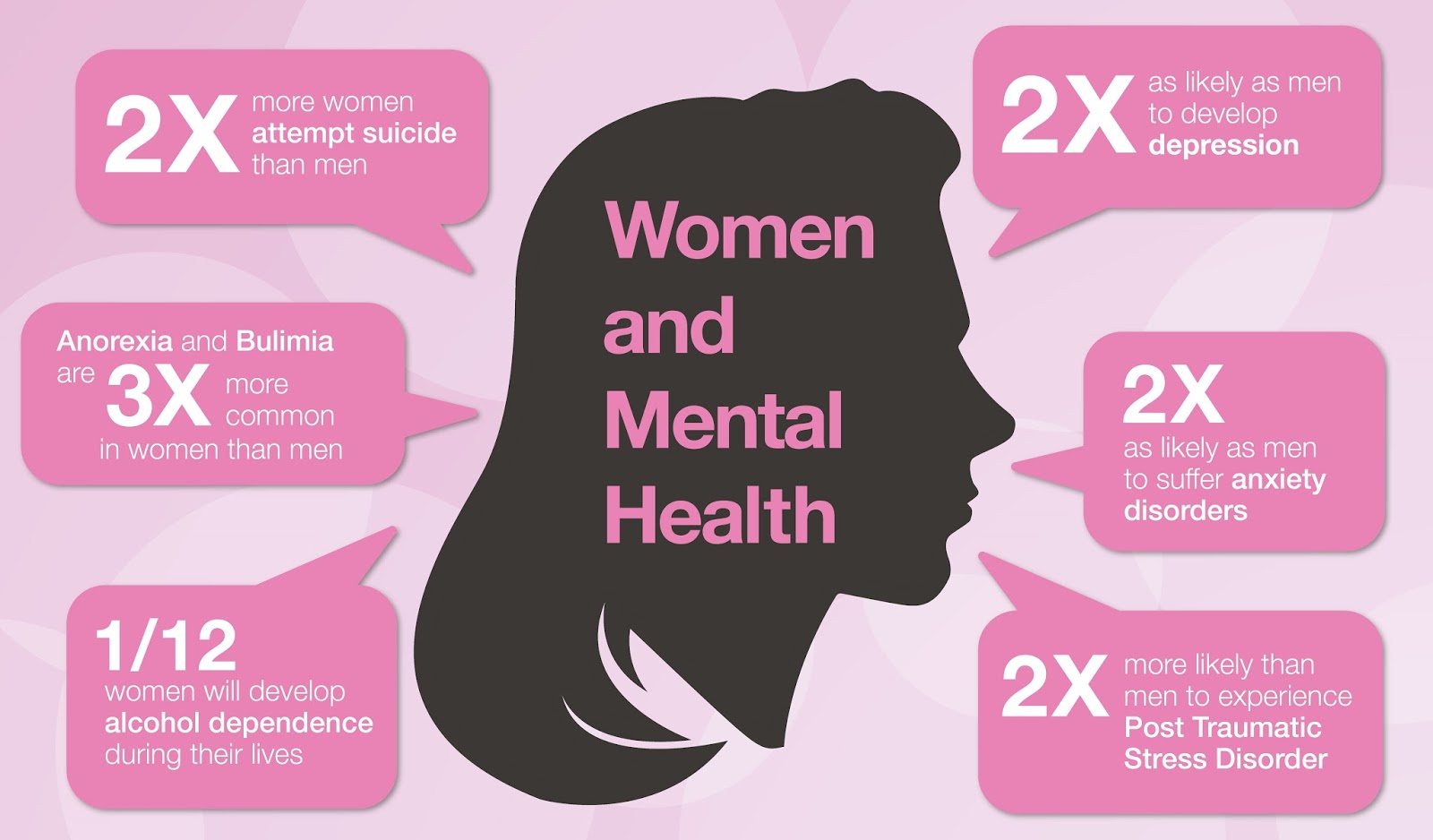
Mental health is increasingly becoming a major concern for women globally. Many women are under immense stress, either from work or personal relationships. This stress is leading to anxiety and depression, which can have a significant impact on their overall health and well-being. Many women worldwide need to take steps to prioritize their mental health by seeking professional help or engaging in stress-reducing activities such as meditation or yoga.
The disparities in healthcare access are also exacerbating the decline in women’s health worldwide. Women in low-income countries face numerous barriers to accessing adequate healthcare. These barriers can include but are not limited to; a lack of funding for healthcare, a shortage of trained healthcare professionals, and a lack of healthcare facilities. These access problems make it challenging for women in these countries to receive proper medical care when needed.
The Role of Nutrition in Women’s Health
When it comes to women’s health, nutrition plays a crucial role. What we eat (or don’t eat) can have a significant impact on our physical and mental well-being. Unfortunately, inadequate nutrition is becoming an increasingly prevalent problem, with many women suffering from nutrient deficiencies.
So, what exactly is inadequate nutrition, and how does it affect women’s health? Inadequate nutrition refers to a situation where a person’s diet is lacking in the necessary vitamins, minerals, and other nutrients required to maintain optimal health. This can occur for a number of reasons, such as poor dietary habits, limited access to healthy food options, or medical conditions that affect nutrient absorption.
One of the biggest consequences of inadequate nutrition is the rise of nutrient deficiencies in women. For example, iron deficiency is a common problem among women, especially those who are pregnant or menstruating. Iron is important for the production of hemoglobin, which carries oxygen throughout the body. When the body doesn’t have enough iron, it can lead to anemia, fatigue, and other symptoms.
Another common deficiency is that of vitamin D. This can result from limited sunlight exposure and a lack of dietary sources of the vitamin. Vitamin D is essential for the absorption of calcium, which is important for maintaining strong bones and teeth. A deficiency in vitamin D can lead to weakened bones, a higher risk of fractures, and other complications.
In addition to nutrient deficiencies, inadequate nutrition can lead to a range of other health problems. For example, poor dietary habits can contribute to weight gain and obesity, which increases the risk of developing chronic conditions like diabetes, heart disease, and certain cancers. A diet lacking in fiber can also lead to digestive problems like constipation and bloating.
So, what can women do to improve their nutritional intake and prevent these negative health outcomes? First and foremost, it is important to establish a balanced diet that includes a variety of foods from all food groups. This can help ensure that your body is getting all the nutrients it needs to function properly.
Tips for improving nutritional intake include incorporating more fruits and vegetables into your diet, choosing whole grains over processed foods, opting for lean protein sources, and limiting intake of sugar, salt, and saturated fats. It’s also important to stay hydrated by drinking plenty of water throughout the day.
Lifestyle Changes: A Double-Edged Sword
It has become increasingly common for women to lead sedentary lifestyles due to busy work schedules and family commitments. At the same time, stress and anxiety levels continue to soar, further impacting women’s well-being. It’s no secret that modern lifestyles have significant implications for women’s health, which can pave the way for chronic diseases. However, integrating physical activity and stress-reduction techniques into our daily routines could help us overcome these challenges.
What’s the impact of modern lifestyles on women’s health?
A sedentary lifestyle is a harbinger of various health consequences: increased risk of obesity, heart disease, stroke, and other chronic diseases such as diabetes and cancer. According to WHO, physical inactivity is the fourth leading risk factor for global mortality, responsible for 3.2 million deaths per year. Furthermore, prolonged sitting, often associated with desk jobs, is linked to poor blood circulation, stiff muscles, and chronic back pain, further impacting our overall health.
Stress, on the other hand, isn’t always a bad thing; it can sometimes serve as a motivational force to help us achieve our goals. However, prolonged stress is detrimental to our health, leading to anxiety, depression, high blood pressure, heart disease, and sleep disturbances. Women, in particular, face unique stressors such as family responsibilities, work-life imbalance, and social norms that contribute to their heightened stress levels.
The Link between Lifestyle Choices and Chronic Conditions Affecting Women
As mentioned earlier, physical inactivity is a leading contributor to lifestyle diseases such as diabetes, obesity, and heart disease. In addition to these, women are also vulnerable to osteoporosis, a bone condition that weakens bones and makes them more prone to fractures. Regular physical activity, especially weight-bearing exercises, can help alleviate the risk of osteoporosis. On the other hand, chronic stress increases the level of cortisol, a stress hormone that can contribute to weight gain, decreased immune system function and disrupt our sleep patterns.
So, what can we do to incorporate physical activities and stress-reduction techniques into our daily lives?
Here are a few pieces of advice to consider:
1) Place a priority on physical activity. Start with small changes like taking the stairs instead of elevators, walking instead of driving, or stretching during office breaks. Gradually increase the frequency and intensity of physical activity for optimal health benefits.
2) Mindful meditation, yoga, or breathing exercises might help to reduce stress levels. You can start by devoting just a few minutes a day, gradually increasing the duration as you become more comfortable.
3) Incorporate activities that you love doing, like dancing, group fitness classes or outdoor activities, which can make physical activity enjoyable.
4) Prioritize sleep; this means getting at least 7-8 hours of sleep every night. Poor sleep can increase cortisol levels, contributing to chronic stress.
Tips for Women’s Health and Well-being
1. Schedule regular check-ups
Did you know that every woman should have a well-woman exam at least once a year? These exams are important to monitor your reproductive and overall health. It’s a great opportunity to ask any questions, voice concerns, and receive guidance from your healthcare provider.
2. Prioritize self-care
Self-care is essential to maintaining good health and well-being. Make some time in your busy schedule to prioritize self-care activities like meditation, exercise, or a relaxing bath. You will not only feel more refreshed and energized but also less stressed.
3. Get enough sleep
Getting enough sleep is essential to maintaining good health, but often overlooked. Prioritize getting at least 7-9 hours of sleep each night. A good night’s sleep will do wonders for your mood, productivity, and overall health.
4. Make healthy choices
Eating healthy doesn’t mean you have to sacrifice taste. Focus on incorporating more fruits, vegetables, and whole grains into your diet. Limit your intake of processed foods, sugar, and unhealthy fats. Making small changes to your diet can lead to significant improvements in your health and well-being.
5. Practice mindfulness
Mindfulness is the practice of being present and fully engaged in the moment. It’s an effective way to reduce stress and improve mental health. Try incorporating mindfulness techniques like deep breathing, physical activity, or guided meditation into your daily routine.
6. Stay hydrated
Drinking plenty of water is essential to maintaining good health. It not only helps to keep your skin hydrated, but also aids in digestion, helps regulate your body temperature, and promotes overall health. Aim to drink at least 8-10 glasses of water each day.
7. Connect with others
Social connection is important to our overall health and well-being. Make time for quality time with friends and family, volunteering, or joining a group that interests you. These connections can provide emotional support, reduce stress, and promote positive feelings.
Conclusion
Women’s health is in a state of decline, and we must take action to reverse this trend. It’s time to raise awareness, address the root causes of these issues, and empower women to take control of their health. By eating a balanced diet, exercising regularly, seeking medical care, and taking care of our mental well-being, we can improve our overall health and well-being. We owe it to ourselves and future generations to prioritize women’s health and make positive changes for a healthier future.