
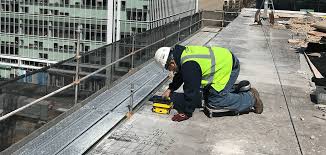

As the complexity of construction projects continues to increase, it becomes crucial to detect and address potential issues before they escalate into major structural problems. Concrete scanning is a non-destructive testing method that plays a vital role in this process. By utilizing ground-penetrating radar or electromagnetic waves, it can identify abnormalities hidden within building materials without causing damage.
Concrete scanning has become a standard practice in construction and property management to ensure the safety and durability of buildings. By uncovering potential hazards concealed beneath the surface, such as rebar corrosion, voids, or delamination, this method helps prevent costly repairs, reduces risks to workers, and enhances overall construction quality.
The depth that concrete scanning can reach depends on several factors, including the type of scanning equipment used, the size and density of the material being scanned, and the presence of reinforcing materials.
Let’s delve into the depths that concrete scanning can explore:
Concrete Scanning Depths: Unveiling Hidden Structures
Imagine wielding a scanner that can peer beneath the surface, revealing the hidden constituents of structures and materials. But here’s the intriguing part: the depth this magical scanner can reach depends on what it encounters. It’s like having X-ray vision, only cooler!
When it comes to scanning various materials, like dry and airy sands, the clarity of the image improves with drier and more aerated substances. This fascinating scanner can penetrate through dry sand up to an astonishing depth of eight meters! That’s like discovering buried treasures lurking beneath the surface.
But what about concrete, you may ask? Well, the answer lies in the methodology employed and the type of equipment used. Here are some commonly used techniques:
Ground-Penetrating Radar (GPR): GPR uses electromagnetic waves to penetrate the concrete and create a subsurface profile. It can typically scan depths ranging from a few centimeters up to approximately 18 inches, depending on the concrete’s characteristics. Think of GPR as an architectural sonar, revealing the hidden structures beneath the concrete surface.
Ultrasonic Pulse Velocity (UPV): UPV measures the speed at which sound waves travel through concrete to assess its quality and integrity. While it may not penetrate as deep as GPR, it is effective for determining concrete thickness and detecting internal anomalies within a range of 2 to 4 inches.
Impact Echo Testing (IET): IET analyzes the frequency response of stress waves produced by impacting the concrete surface. It helps identify voids, delamination, or other hidden defects within the top 2 to 4 inches of concrete.
The Concrete Scanning Process: Revealing Subsurface Secrets
Concrete scanning technology has revolutionized the construction and maintenance industries, providing a non-destructive testing method that can identify potential hazards before they can cause significant damage. By using high-frequency electromagnetic waves, concrete scanning can reach depths of up to 18 inches to detect steel reinforcement or up to 10 feet for large-scale surveys.
The benefits of using concrete scanning technology are numerous. It can save time and money by identifying issues early on, making it an ideal tool for assessing the integrity of your site. Unlike traditional drilling or cutting methods, concrete scanning is safe and non-invasive. This means that scans can be conducted while other work continues on-site, avoiding any unnecessary project delays.
So how does concrete scanning work? The process is simple yet effective. Small, high-frequency pulses of electromagnetic energy are sent into the concrete. These pulses record the strength and time of any reflected signals, which can indicate differences in the geological structure, man-made objects, or other unseen materials that could cause problems.
Once the scan is complete, our expert team reviews the data to identify any objects and meanings associated with the reflected signals. This data is then compiled into a comprehensive report that highlights any issues or potential problem areas that may be present in the concrete.
Why Concrete Scanning is an Essential Component of Any Construction Project: Unveiling Hidden Hazards
When preparing for a construction project, it’s essential to ensure that the area is safe and free from any potential hazards. One of the best ways to do this is through concrete scanning, a non-destructive testing method that uses electromagnetic waves or ground-penetrating radar to identify any unseen hazards below the surface. These hazards may include electrical cables, conduits, water pipes, beams, and steel reinforcements.
Provides Real-Time Data that is Necessary for Identifying the Unseen Hazards
Concrete scanning provides real-time data that can be used to identify faults, voids, or any kind of damage. This data is useful for project planning, from CCTV pipe inspection to invasive testing and repairs, thereby preventing construction damage and project delays. By detecting these potential hazards early on, we can prevent any significant issues that may arise during construction, saving both time and money.
Cost Savings: A Worthy Investment
One major benefit of using concrete scanning is the cost savings it can provide in the long run. Traditional radiographic methods can be more expensive and time-consuming, requiring the use of specialized equipment and additional safety precautions. Concrete scanning, on the other hand, is non-invasive and provides accurate results quickly, which can help save money by reducing the need for costly repairs or replacements that may have gone unnoticed without scanning.
Prevents Construction Damage Delays: Ensuring Smooth Progress
Construction sites are inherently dangerous, with many potential hazards that could cause injury to workers or damage to equipment. By using concrete scanning technology, we can ensure the safety of our construction workers by avoiding putting the project behind schedule or over budget. For example, radar scanning is a practical tool that avoids the need for radiographic methods that require the site to be cleared and fenced off, allowing work to continue uninterrupted.
Concrete scanning is an essential tool for anyone working in the construction industry. It provides real-time data that is necessary for identifying the unseen hazards that lie beneath the surface, preventing damage, and avoiding project delays and cost overruns. With its ability to ensure worker safety and save money, concrete scanning is a crucial step in any construction project. By investing in this technology, we can ensure that our projects are built to the highest standards of safety and quality.
Case Studies: Real-World Applications
Concrete scanning has proven its worth time and again. Here are a couple of real-world examples:
Renovation Safety: During a renovation project on a historic building, GPR scanning revealed the presence of rebar at a shallow depth. This discovery prevented potential damage during drilling, preserving the structural integrity while ensuring the renovation proceeded smoothly.
Pipeline Protection: In an industrial facility, GPR scanning detected a utility line running beneath a concrete floor. This crucial find prevented accidental puncturing during installation, averting a potential catastrophe and saving the company from costly repairs and downtime.
Conclusion:
Concrete scanning is an indispensable tool in the arsenal of construction and property management professionals. By exploring the depths beneath the surface, we gain invaluable insights into the structural integrity of concrete, avoiding potential hazards and ensuring longevity. Ground-penetrating radar, ultrasonic pulse velocity, and impact echo testing enable us to assess depths ranging from centimeters to several inches, depending on the technique employed. With concrete scanning technology, we can confidently construct and manage buildings with enhanced safety and efficiency, ensuring that our projects stand strong for years to come.