
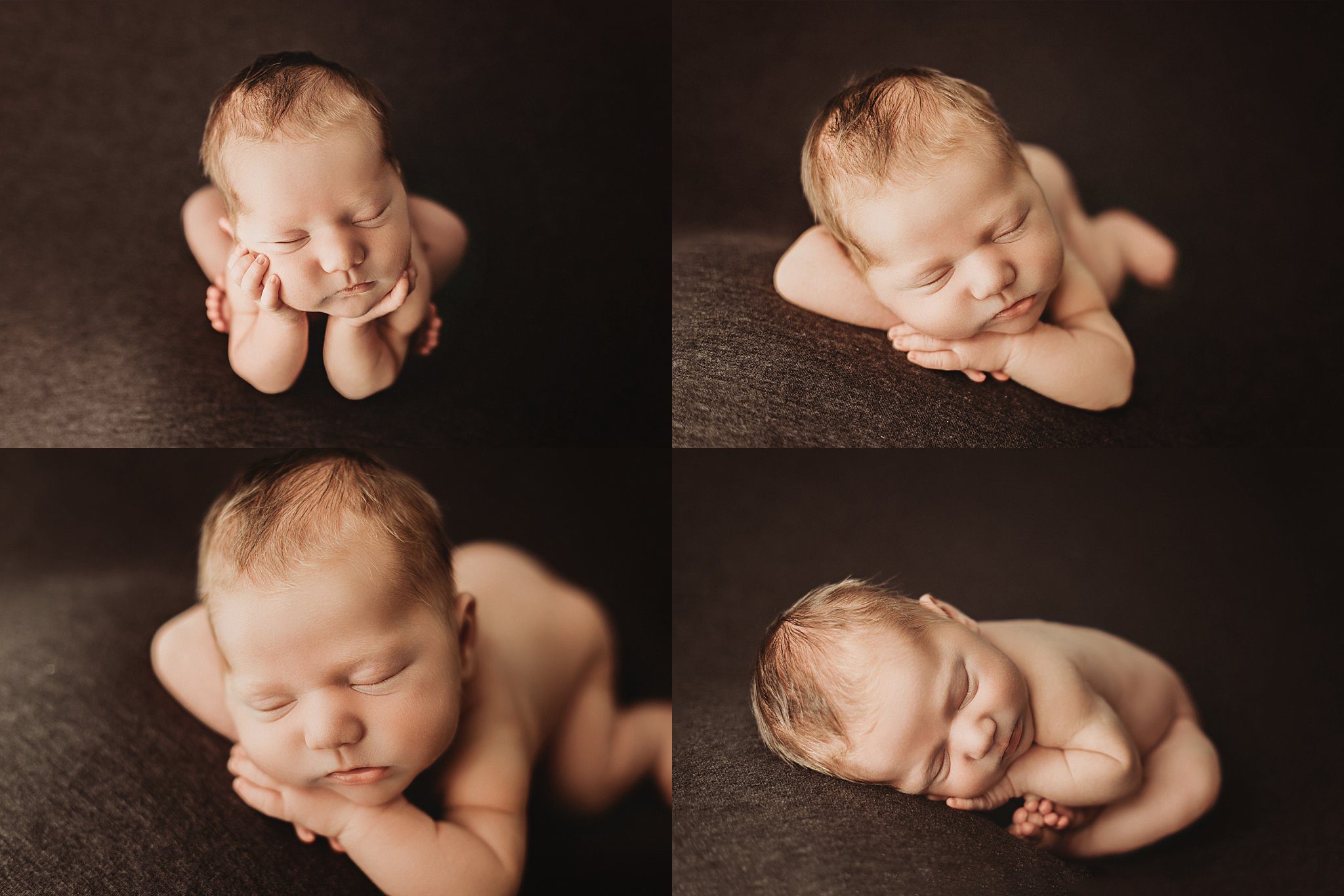

Welcoming a newborn into the world is a joyous and momentous occasion in the lives of parents and their loved ones. It’s a time filled with precious moments that pass by all too quickly. One way to preserve these cherished memories is through newborn baby photography. These early days are a unique window of opportunity, and with the right approach, you can create beautiful, timeless images that will be treasured for years to come. In this comprehensive guide, we will discuss essential guidelines to help you capture the essence of a newborn’s early days.
Safety First
When it comes to newborn baby photography, the safety and well-being of the baby should always be the top priority. Ensure that the baby is comfortable, warm, and well-fed. Be gentle and patient during the entire process. Never compromise on safety for the sake of a photograph. Use a spotter or assistant if necessary to provide extra support when attempting certain poses.
Timing Is Everything
The ideal time for a newborn photoshoot is within the first two weeks of life. During this period, babies are more likely to sleep deeply, curl up naturally, and are generally more cooperative for posing. This is also the time when they still have that “newborn” look, with soft, smooth skin and adorable, squishy cheeks.
Choose the Right Environment
Selecting the right environment is crucial for newborn photography. A natural setting with soft, diffused light is often preferred. Natural light, such as near a large window or in an outdoor setting, can create a beautiful, soft look. Alternatively, you can use soft artificial lighting, but be sure it’s not too harsh. A home studio setup can also work well if you have control over the lighting and temperature.
Props and Accessories
While keeping the focus on the newborn, using props and accessories can add charm and personality to your photos. Some popular props include soft blankets, baskets, headbands, wraps, and cute outfits. When choosing props, ensure they are safe, clean, and suitable for a newborn. Avoid anything that may scratch or irritate the baby’s sensitive skin.
Posed vs. Lifestyle Photography
Newborn photography can be broadly categorized into posed and lifestyle photography. Posed photography involves carefully positioning the baby in various adorable poses, often using props. Lifestyle photography, on the other hand, captures the baby and family members in natural, everyday moments. Both styles have their own unique appeal, so it’s a matter of personal preference.
Patience is Key
Newborns have their own schedule, and they don’t always cooperate when you want them to. Be prepared to spend a significant amount of time during the shoot, as newborn sessions can often take longer than expected. Patience is essential in capturing those perfect moments. Don’t rush the process; take breaks as needed to keep both the baby and yourself comfortable.
Understand Baby’s Cues
Babies communicate through their actions and expressions. Learning to read their cues can make the photoshoot more comfortable and productive. Pay attention to their body language, and always be ready to adapt if the baby is uncomfortable or fussy. If the baby needs a break to eat, be changed, or cuddle with their parents, allow for those moments.
Family Involvement
Including parents and siblings in the photos can add depth and emotion to the images. Encourage the family to interact with the baby naturally, capturing candid moments of love and connection. It’s often these unscripted moments that hold the most sentimental value.
The Right Equipment
For newborn photography, a good camera with interchangeable lenses is a must. A fast lens with a wide aperture (e.g., f/1.8 or f/2.8) allows for beautiful, creamy backgrounds and low-light capabilities. A sturdy tripod or monopod is useful for stabilizing the camera during the shoot. Remember to have extra memory cards, batteries, and backups in case of equipment failures.
Post-Processing
Post-processing can enhance the beauty of your newborn photos. Adjust the exposure, contrast, and color balance to achieve a polished look. Be mindful not to overdo it, as newborns should still look natural in their photos. Consider using a professional photo editing software to achieve the desired effects.
Conclusion
Newborn baby photography is a special art that requires a combination of skill, patience, and understanding of the newborn’s needs and behaviors. By following these guidelines, you can create timeless images that will serve as treasured mementos of those precious early days. Always prioritize the safety and well-being of the baby, choose the right environment and props, and be patient and adaptable during the process. Whether you prefer posed or lifestyle photography, the key is to capture the innocence and beauty of a newborn in a way that tells a unique and heartwarming story. Remember, the magic of these moments is fleeting, so embrace the opportunity to create lasting memories through your lens.