

You’re probably here because you’ve heard about vasectomy, and now you’re swimming in a sea of questions – Is it effective? When’s the best time to go for it? Don’t worry, you’re not alone in this boat.
Vasectomy is a term that often gets thrown around in conversations about family planning, but what does it involve? Put simply, it’s a straightforward, generally low-risk procedure that has become a game-changer for many. And guess what? Thanks to pioneers like Dr. Raj, this procedure has taken a huge leap forward in terms of safety and comfort.
Now, about its effectiveness – that’s probably your biggest concern, right? You want something reliable, a solution that says, ‘problem solved’ without any asterisks. Well, you’re in luck because vasectomy ranks high on the list of effective family planning methods. But it’s not just about statistics and percentages; it’s about understanding what it means for you.
And then there’s the timing. When is it the ideal moment to opt for a vasectomy? It’s not like picking a ripe fruit; this decision intertwines with your life stage, family goals, and personal circumstances. It’s not just a calendar decision, but a life decision.
What is Vasectomy?
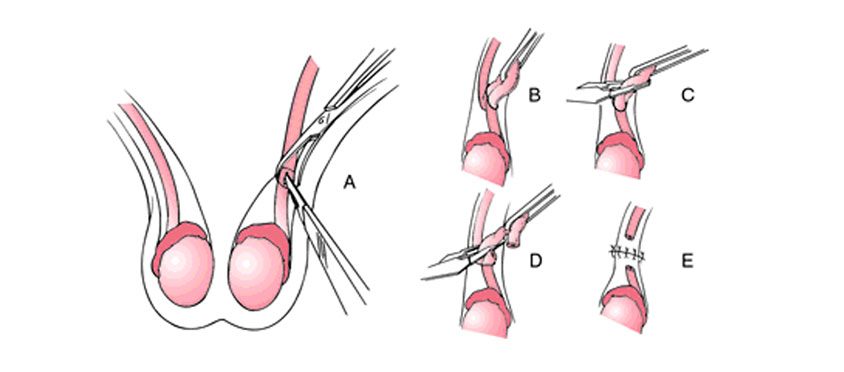
Think of vasectomy as a permanent form of birth control for men. It’s a simple medical procedure, but its impact on your family planning is significant. So, what happens during a vasectomy? Essentially, the tubes that carry sperm from the testicles (called vas deferens) are gently cut or sealed. This means that sperm can no longer mix with the semen that leaves your body. The result? No more worrying about unplanned pregnancies.
Now, you might be wondering, “Is it safe?” Absolutely. Vasectomies are incredibly safe and effective. They’re one of the most reliable forms of contraception out there. And don’t worry – it doesn’t affect your manhood in any way. You’ll still be you, just without the risk of an unplanned family addition.
Dr. Raj’s Scalpel-Free Technique
When we talk about advancements in vasectomy, Dr. Raj is a name you’ve got to know. He’s the pioneer behind the first Australian Scalpel-Free Vasectomy Clinic. What’s so special about this method? Well, as the name suggests, it ditches the scalpel. Instead of making cuts, Dr. Raj uses a less invasive method to access the vas deferens. This means less pain, a lower risk of complications, and a quicker recovery time. Imagine having a vasectomy with minimal discomfort and being able to bounce back to your routine swiftly – that’s what Dr. Raj’s technique offers.
This scalpel-free approach isn’t just about comfort; it’s a testament to how far medical advancements have come in making vasectomies more accessible and less intimidating. If you’re considering a vasectomy, this is an option that offers peace of mind, both during and after the procedure.
Effectiveness of Vasectomy
You might be asking yourself, “Just how effective is a vasectomy?” It’s a crucial question, especially when you’re considering it as a long-term solution for family planning.
Statistical Evidence of Success
When it comes to effectiveness, vasectomy stands out. Studies show that vasectomies have a success rate of over 99%. This means that once you’ve gone through the initial post-procedure period, the chances of pregnancy are less than 1%. Now, that’s impressive, right? But let’s bring this closer to home. Dr. Raj, a pioneer in no scalpel vasectomy, reports similar success rates in his practice. Over 10,000 procedures and counting, with a track record of reliability that speaks volumes.
How It Compares with Other Contraceptive Methods
How does this stack up against other contraceptive methods? Let’s put it in perspective:
- Condoms, while popular, have a typical use failure rate of about 13%. That’s quite a gap compared to vasectomy.
- Birth Control Pills are another common choice, but they come with a typical use failure rate of around 7%.
- IUDs (Intrauterine Devices) are more effective, with a failure rate below 1%, similar to vasectomy. However, they require regular check-ups and can have side effects.
The difference here is not just in numbers. Vasectomy is a one-time procedure with lasting results, freeing you from the ongoing hassle and potential human error associated with other methods. No daily pills, no regular purchases, and no routine medical appointments for contraceptive purposes.
The Ideal Time for Vasectomy
When it comes to deciding the right time for a vasectomy, it’s not just about marking a date on your calendar. It’s a decision that intertwines with your life’s tapestry, involving careful consideration of your age, life stage, and readiness for this change.
Age and Life Stage Considerations
You might be wondering, “Is there a perfect age for getting a vasectomy?” The truth is, there’s no one-size-fits-all answer. Vasectomy is a popular choice for men in their thirties and forties, primarily because it’s often a time when many feel confident in their family situation. However, age is not the sole deciding factor.
What’s crucial is where you are in life. Are you at a point where your family feels complete? Have you and your partner had those important conversations and reached a mutual understanding? It’s about knowing that your family planning chapter is at a comfortable close. Remember, vasectomy should be viewed as a permanent decision, so it’s essential to be certain about not wanting more children in the future.
Personal Readiness and Family Planning
Deciding to have a vasectomy is as much a personal choice as it is a medical one. It’s about feeling prepared, not just physically but emotionally and mentally too. Ask yourself, “Am I ready for this change?” It’s okay if you need time to ponder over this; after all, it’s a significant step in your life journey.
Consider the family planning aspect as well. Vasectomy is highly effective, but it’s not a decision to be made in haste. It’s a commitment to a future you’ve envisioned for yourself and your family. This decision should come after a thorough discussion with your partner, considering the impact on your collective future. It’s a shared journey, and mutual understanding is key.
The Procedure and Recovery
- Consultation and Preparation: Your journey begins with a consultation. Here, you’ll discuss your health history and any concerns. It’s a good idea to ask all your questions during this session. Remember, no question is too small or trivial.
- The Day of the Procedure: On the day, you’ll likely feel a mix of anticipation and nerves. That’s perfectly normal. The procedure usually takes about 30 minutes. You’ll be awake, but the area will be numbed, so you won’t feel pain, just some pressure or tugging.
- The Technique: If you’re opting for a scalpel-free vasectomy, like those performed by Dr. Raj, the process is even less invasive. A small puncture is made to access the vas deferens (the tubes that carry sperm). There’s no need for stitches, and scarring is minimal.
- Completion: Once done, you’re free to go home. Yes, it’s that quick and straightforward. But don’t plan on driving yourself back – it’s best to have someone with you.
Tips for a Smooth Healing Process
- Immediately After: Right after the procedure, you’ll likely feel groggy. Rest for the remainder of the day. Use an ice pack to reduce swelling and wear snug underwear to support the area.
- The First Few Days: You might experience some discomfort, swelling, or bruising, but this is normal and should subside within a few days. Over-the-counter pain relief can be helpful, but avoid aspirin as it can increase bleeding risk.
- Activity Level: Take it easy for a couple of days. Avoid strenuous activities or heavy lifting for at least a week. This helps in preventing complications and speeds up recovery.
- Follow-Up: You’ll have a follow-up appointment to check on your healing. This is also when you’ll discuss when it’s safe to resume sexual activity. Remember, vasectomy doesn’t provide immediate protection against pregnancy. Follow your doctor’s advice on when to get your sperm count tested.
- Long-Term Care: Most men recover fully without complications. However, if you notice signs of infection or persistent pain, don’t hesitate to contact your doctor.