

When it comes to choosing a birth control method, you’re faced with a myriad of options, each with its own set of considerations. Among these, vasectomy stands out as a popular, yet often misunderstood choice. If you’re contemplating whether a vasectomy is the right step for you, it’s crucial to have clear, accurate information at your fingertips.
This is not just about making a medical decision; it’s about making a choice that aligns with your life, your plans, and your well-being. Understanding what a vasectomy entails, its benefits and its implications is essential in guiding you toward a decision that you feel confident and comfortable with.
As someone considering this significant step, you might have questions and concerns. Is the procedure safe? What are the long-term effects? How will it impact my lifestyle? These are all valid queries, and addressing them requires not just clinical facts, but also a touch of empathy and understanding.
The Basics of Vasectomy
When you’re considering a vasectomy as a birth control method, understanding the basics is the first step. A vasectomy is a surgical procedure designed to offer a permanent solution to birth control. It’s understandable to have questions or even some apprehension about it, and knowing exactly what it entails can provide some clarity and ease those concerns.
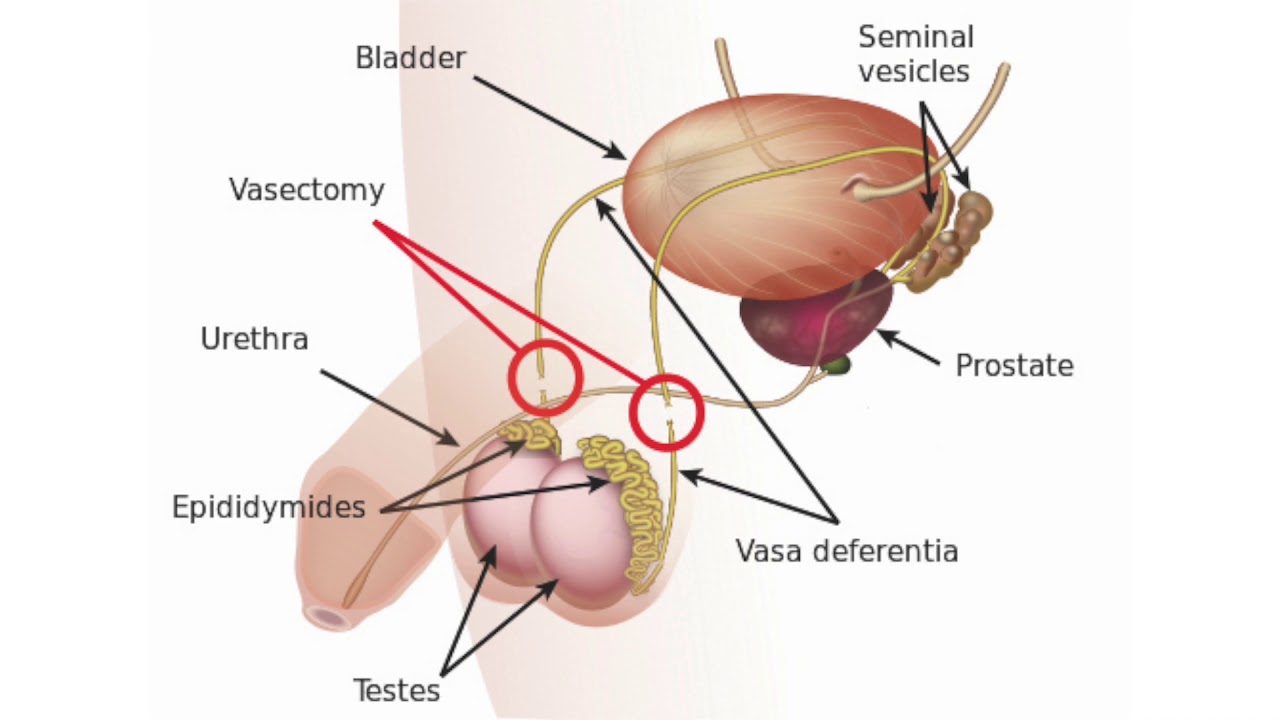
In its essence, a vasectomy involves the cutting and sealing of the vas deferens, the tubes that carry sperm from the testicles. This prevents sperm from mixing with semen, which means there’s no sperm in the ejaculate to fertilize an egg during sexual intercourse. It’s a straightforward concept, but the actual procedure has evolved over the years, leading us to the scalpel-free method.
The no scalpel vasectomy, as the name suggests, doesn’t involve any surgical incisions with a scalpel. Instead, a small puncture is made in the scrotum, through which the vas deferens are accessed. This method is gaining popularity due to its less invasive nature, reduced risk of complications, and quicker recovery time. You might be wondering, “How does this compare to other birth control methods?”
Unlike temporary methods like condoms or birth control pills, a vasectomy is a one-time procedure offering a permanent solution. It removes the worry of contraceptive failures or the need for ongoing contraception management. However, it’s essential to remember that a vasectomy doesn’t protect against sexually transmitted infections (STIs) – something condoms can do.
In comparison to female sterilization methods, such as tubal ligation, vasectomies are less invasive, generally safer, and often more affordable. They also don’t impact hormone levels or sexual function. This is an important consideration for you and your partner when deciding on long-term birth control.
Why Consider a Vasectomy?
When you’re exploring birth control options, a vasectomy might emerge as a significant choice on your radar. It’s not just another medical procedure; it’s a decision that could align seamlessly with your life plans. But why should you consider a vasectomy?
Highly Effective
One of the most compelling reasons to consider a vasectomy is its effectiveness. With a success rate of over 99%, it’s one of the most reliable methods of birth control. Unlike other methods that require ongoing attention or renewal, a vasectomy offers a one-time solution. This means, that once you go through the brief recovery period, you don’t have to worry about the possibility of unintended pregnancy.
A Simple, One-Time Procedure
The simplicity of a vasectomy is often understated. Performed as an outpatient procedure, it usually takes less than 30 minutes. The scalpel-free technique, which involves less cutting and fewer stitches, means the recovery time is typically short. You can expect to return to your regular life relatively quickly, without any prolonged disruption.
Cost-Effective in the Long Run
When you weigh the cost of a vasectomy against the ongoing expense of other birth control methods, vasectomies often emerge as a financially sensible option. It’s a one-time expense, without the recurring costs associated with birth control pills, condoms, or IUDs.
Addressing Common Misconceptions
- Impact on Sexual Performance: A common fear is that a vasectomy might affect sexual performance or libido. This is a misconception. A vasectomy does not impact testosterone levels, sexual drive, or your ability to have and enjoy sex. The only difference is the absence of sperm in the semen.
- Reversibility Concerns: While it’s important to view a vasectomy as a permanent decision, advancements in medical technology have made reversal procedures more successful than ever before. However, it’s crucial to approach a vasectomy with the mindset of it being a long-term solution.
- Pain and Recovery: The thought of pain can be daunting. The truth is, with modern techniques, vasectomies are usually associated with minimal discomfort. Most men experience only slight soreness post-procedure, which can be managed with over-the-counter pain relief and a few days of rest.
Life after Vasectomy
Post-vasectomy, it’s normal to have questions about what comes next. Immediately following the procedure, you’ll likely experience some discomfort—this is typical and nothing to be alarmed about. Most men report feeling a mild ache or soreness in the groin area, which can be easily managed with over-the-counter pain relievers and rest.
The first few days are crucial for recovery. You’ll be advised to take it easy, which means no heavy lifting or vigorous exercise. This is to ensure proper healing and to minimize any swelling or bruising. It’s a brief pause in your routine, but an important one for your health.
The Road to Recovery
Within a week, most men find they can return to their usual activities, including work. However, if your job involves strenuous physical activity, you might need a bit more time off. Listen to your body and don’t rush—returning to vigorous activities too soon can lead to complications.
As for your sex life, it’s generally safe to resume sexual activities once you feel comfortable, usually within a week. However, remember that vasectomy doesn’t provide immediate contraception. You’ll need to use other forms of birth control until a semen analysis confirms the absence of sperm, which usually takes about three months or 15-20 ejaculations.
Long-Term Health and Lifestyle Impacts
In the long term, a vasectomy should have no negative impact on your health or lifestyle. You won’t notice any changes in your sexual function, libido, or pleasure. The procedure does not affect testosterone levels or lead to any significant health risks. Many men report feeling more relaxed and enjoying intimacy more, free from the worry of unintended pregnancy.
It’s also worth noting that vasectomies are over 99% effective in preventing pregnancy, making them one of the most reliable methods of contraception. But they don’t protect against sexually transmitted infections, so consider this in your sexual health strategy.
Factors to Consider When Making the Decision
Deciding whether a vasectomy is the right choice for you is not just a medical decision; it’s a deeply personal one. As you navigate this path, several crucial factors merit careful consideration. This isn’t about arriving at a quick decision, but about making an informed choice that aligns with your life and values.
Understanding Family Planning
Your current and future family plans play a pivotal role in this decision. It’s important to ask yourself, “Am I confident in my current family situation?” A vasectomy should be viewed as a permanent solution. While reversal procedures exist, they’re not always successful. So, if there’s even a glimmer of doubt about growing your family in the future, it’s worth taking a step back to reevaluate.
Health Considerations
Your health, both current and future, is another key aspect. For most, a vasectomy is a safe procedure with minimal risks. However, like any medical procedure, it’s not entirely without risk. Discussing your health history with your doctor is crucial. Are there any specific concerns or conditions that might influence the safety or effectiveness of the procedure? Your healthcare provider can offer personalized advice based on your health profile.
Lifestyle Implications
Reflect on how a vasectomy might impact your lifestyle. The procedure itself is quick, with a relatively short recovery time. But it’s about more than just the physical aspect. How do you feel about the permanence of this decision? Are there cultural, personal, or relationship dynamics that might be influenced by this choice?
Consultation Is Key
Perhaps the most important step in your decision-making process is consultation with a healthcare provider. A vasectomy is a significant decision, and professional guidance is invaluable. Your doctor can provide detailed information about the procedure, answer your specific questions, and help you assess if this is the right path for you.
Contact Scalpel Free Vasectomy
North Lakes Specialist Medical Centre is perfect for a scalpel free vasectomy procedure at our North Lakes vasectomy clinic Brisbane.