
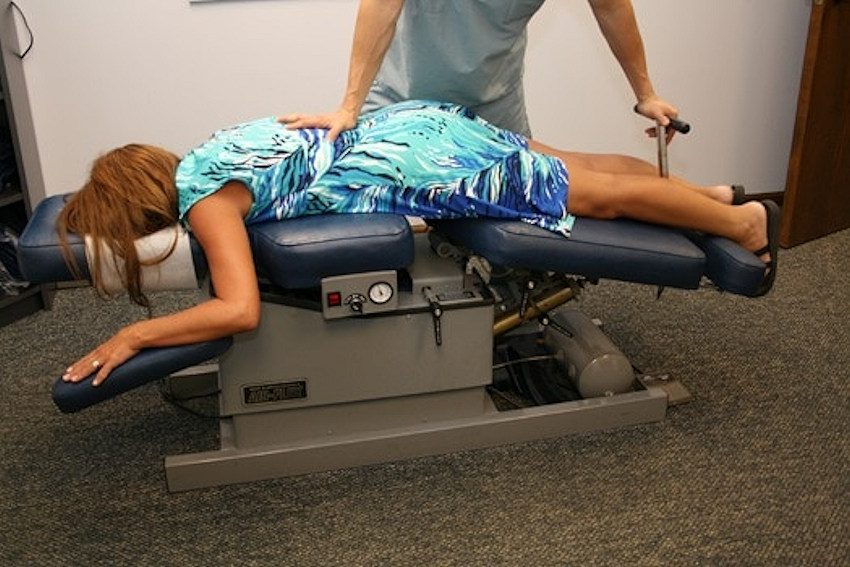

In the ever-evolving realm of chiropractic care, a technique stands out, whispering promises of pain relief, mobility restoration, and a brighter tomorrow. It’s not just another method but a testament to how innovation, when combined with genuine concern and quality, can be a beacon of hope.
Flexion-Distraction Manipulation Therapy is a game-changer in spinal care. For the uninitiated, this might sound like complex jargon. But, imagine a gentle embrace for your spine, one that not only soothes but also corrects and heals. That’s the beauty and depth of this therapy.
But here’s where our narrative takes a slight twist. The brilliance of this therapy, as many chiropractors would attest, is deeply interwoven with the quality of equipment employed. Imagine being a maestro but with a broken instrument; the music would never reach its true potential. Similarly, the nuanced, gentle adjustments of Flexion-Distraction Manipulation Therapy require a stage – a chiropractic table – that’s equally commendable in quality and function. It’s not merely about efficacy; it’s about trust. Trust that the platform will honor the chiropractor’s skill, and the patient’s hope.
I understand the scepticism. In a world inundated with options, where cost often trumps quality, where can one turn? How do we differentiate the genuine from the fleeting? And more importantly, how can patients be sure they’re receiving the best, and practitioners confident they’re giving their all? These are valid concerns. But here’s where our tale turns optimistic.
What is Flexion-Distraction Manipulation Therapy?
In the simplest of terms, Flexion-Distraction Manipulation Therapy is a chiropractic technique where the practitioner uses a specialized table to gently stretch and decompress the spine. The movement is subtle but deeply impactful.
But where did this technique originate? The origins of Flexion-Distraction Manipulation Therapy can be traced back to the 1970s, pioneered by Dr. James Cox. He, too, like many before and after him, sought solutions for persistent back pain. The vision? A non-invasive technique that could offer unparalleled relief without the intimidating prospects of surgery or prolonged medication. The eureka moment was understanding the spine’s longing for gentle, tailored movements to ease its ailments. And from that realization was born a technique that has since become a cornerstone in chiropractic care.
Now, let’s delve into the fascinating science behind it. Our spine, a magnificent structure, bears the brunt of daily life. Stress, posture, injuries—they all contribute to its wear and tear. Flexion-Distraction works by creating a negative pressure within the spinal discs, essentially giving them room to ‘breathe’ and heal. This decompression fosters an environment where nutrient-rich fluids can re-enter the discs, aiding in repair and rejuvenation. It’s nature and science working in harmonious tandem.
The efficacy of this therapy isn’t just a passionate claim; it’s rooted in evidence. A study conducted in 2016 by the Journal of Physical Therapy Science revealed significant improvements in patients with lumbar spinal stenosis post this therapy. The feedback? Reduced pain and increased mobility. Moreover, testimonials from countless practitioners and patients alike echo a similar sentiment—the profound difference Flexion-Distraction has made in their lives.
Dr. Amelia Thompson, a renowned chiropractor with over 15 years of experience, once shared, “The magic of Flexion-Distraction lies not just in the technique but in the bond it fosters between the patient and the practitioner. With each session, as I witness the relief and hope rekindled in my patients’ eyes, I’m reminded of why I chose this path.”
Why It’s a Game-Changer for Patients with Spinal Issues
Sarah, a 32-year-old writer, struggling with chronic back pain, had nearly surrendered to the notion that discomfort was her life’s permanent backdrop. Conventional therapies brought temporary relief but nothing substantial. Until she stumbled upon Flexion-Distraction Manipulation Therapy.
Within just a few sessions, Sarah found what she’d been missing for years – genuine relief. Not from invasive surgeries or potent medications but from a therapy that hinged on precision, expertise, and the right equipment. Her story, echoing many others, illuminates the transformative power of this therapy.
Pain Relief without Invasive Procedures
One of the hallmarks of Flexion-Distraction Manipulation Therapy is its non-invasive nature. While surgeries come with their fair share of risks and extensive recovery periods, this technique offers a safer alternative. It’s not just about alleviating pain; it’s about ensuring the patient’s overall well-being.
Gradual and Controlled Movements Catering to Patient Comfort
What makes this therapy stand out is its emphasis on patient comfort. No sudden jolts or sharp pulls. Instead, a series of gradual, controlled movements that work in tandem with the body’s natural rhythms, ensuring the spine is treated with the respect and care it deserves.
Optimized Blood Flow Promoting Faster Healing
Research suggests that improved blood flow can significantly expedite the healing process. The gentle stretches and pulls involved in Flexion-Distraction Manipulation Therapy ensure an optimized blood circulation, fostering a conducive environment for rapid healing.
Now, for a piece of lesser-known wisdom. While primarily targeting spinal issues, the therapy has implications beyond. Thanks to our body’s interconnected systems, the benefits of spinal adjustments often cascade, improving not just our back but potentially alleviating ailments elsewhere. Think of it as a ripple effect – a gentle spinal nudge initiating a wave of overall well-being.
The Indispensable Role of Quality Equipment
If you’ve ever been to a symphony, you’ll recognize the moment when an artist effortlessly draws forth music from an instrument, filling the air with magic. Now, imagine the same maestro, attempting to coax music from a flawed or substandard instrument. The result would be jarringly different, wouldn’t it?
Similarly, in the intricate ballet of chiropractic care, where the smallest movements can be pivotal, the equipment becomes the silent hero. It’s not just about comfort; it’s about accuracy, reliability, and fostering trust. A patient’s body isn’t just another object, it’s a repository of hopes, dreams, and the earnest desire for a pain-free life. And as for the chiropractors, their tools become extensions of their hands, their expertise, their passion.
Now, imagine undergoing a precision therapy on an unstable platform. Frightening, isn’t it? It’s like building a house of cards on a wobbly table. No matter how skilled the architect, the foundation’s inconsistency could wreak havoc.
A study conducted in 2020 highlighted that almost 30% of chiropractic interventions faced challenges due to sub-par equipment, affecting both therapeutic outcomes and patient satisfaction. This isn’t just a statistic. It’s a reflection of pain continuing unmitigated, and of professionals doubting their capabilities.
However, here comes the beam of optimism piercing through these gloomy clouds. Recognizing this profound need for equipment that matches the chiropractor’s dedication and the patient’s hope is Omni Tables Australia. Their tables are not mere commodities; they’re a testament to understanding the chiropractic realm’s heartbeats. Made with precision, durability, and adaptability in mind, these tables aren’t just purchases. They’re investments. Investments in a future where patients walk away with smiles, where chiropractors feel the pride in their craft, and where the synergy of skill and equipment creates therapeutic magic.
How Patients and Practitioners Can Ensure They’re Getting the Best
In the world of chiropractic care, the table is more than just furniture; it’s the unsung hero behind successful Flexion-Distraction Manipulation Therapy sessions.
What to Look for in a Chiropractic Table
- Sturdiness and Stability: No compromise should be made here. The table should not wobble or shake under pressure, ensuring the patient’s safety and the practitioner’s precision.
- Adjustability: A versatile table will have sections that can be raised or lowered, catering to patients of different heights and treatment requirements.
- Comfort: A good chiropractic table will have thick, high-density foam to provide comfort during procedures. The cover material should also be durable and easy to clean.
- Warranty and After-sales Service: Quality tables often come with a robust warranty and a promise of excellent after-sales service.
Steps for Patients
- Ask Questions: Don’t be shy. Ask your chiropractor about the make and model of their table, and perhaps why they chose it.
- Research: A simple online search can provide reviews and testimonials on the table in question. Quality will always have advocates singing its praises.
- Trust Your Instincts: If you’re uncomfortable or the table feels unstable, voice your concerns. Remember, it’s your health on the line.
The Differences Quality Equipment Makes
- Precision in Treatment: High-quality tables allow for minute adjustments, enabling the chiropractor to treat with pinpoint accuracy.
- Longevity: An investment in quality ensures the table withstands the test of time, saving both practitioners and patients from the hassle of frequent replacements.
- Enhanced Patient Experience: Subtle features, like ergonomically designed rests and adjustable sections, can significantly boost patient comfort.
Dr. Amelia Hartman, a seasoned chiropractor, once said, “My table is not just a piece of equipment; it’s my partner in healing.” It’s an apt statement that captures the essence of chiropractic care. Quality isn’t a luxury; it’s a necessity.
Potential Challenges and How to Overcome Them
Every journey, no matter how promising, is dotted with challenges. The path of Flexion-Distraction Manipulation Therapy is no different. While its promises are vast, its nuances deep, understanding potential pitfalls is crucial for both chiropractors and patients alike.
Common Misconceptions and the Truth behind Them
- “It’s Just Another Chiropractic Gimmick.” Truth: Chiropractic care has been subject to scepticism, with new techniques often labelled as fads. However, Flexion-Distraction Manipulation Therapy has been backed by numerous studies. Its efficacy isn’t based on anecdotal evidence but on concrete, empirical research.
- “It Sounds Painful and Risky.” Truth: The word “manipulation” can sound intimidating. Yet, this therapy is characterized by gentle, rhythmic motions. It’s designed for comfort while effectively addressing spinal issues.
Navigating Challenges with Confidence
- For Practitioners: Understanding your equipment’s limitations is pivotal. Not every table is designed to handle the nuanced motions of this therapy. Embrace quality, like that offered by Omni Tables Australia. Remember, your skill, no matter how advanced, needs the right partner in the form of the perfect table.
- For Patients: Voice your concerns. A well-informed practitioner will always address your fears, explain the procedure, and ensure your comfort. Don’t shy away from asking questions. Your healing journey is a collaborative effort.
Tips to Maximize Benefits
- Continuous Learning: As Dr. Lauren Thompson, a seasoned chiropractor, once said, “Chiropractic care is a field of endless exploration.” Techniques evolve, research updates. Stay informed.
- The Right Setting: An often-underestimated aspect is the ambience of the therapy room. Soft lighting, soothing music, and a calming environment can enhance the therapy’s effectiveness manifold.
- Personalized Care: Every spine tells a different story. Customizing pressure, angle, and duration based on individual needs can significantly boost positive outcomes.
- Table Maintenance: Regularly inspect your equipment. A slight wobble or instability can make a world of difference. Invest time in understanding your table’s maintenance needs.