
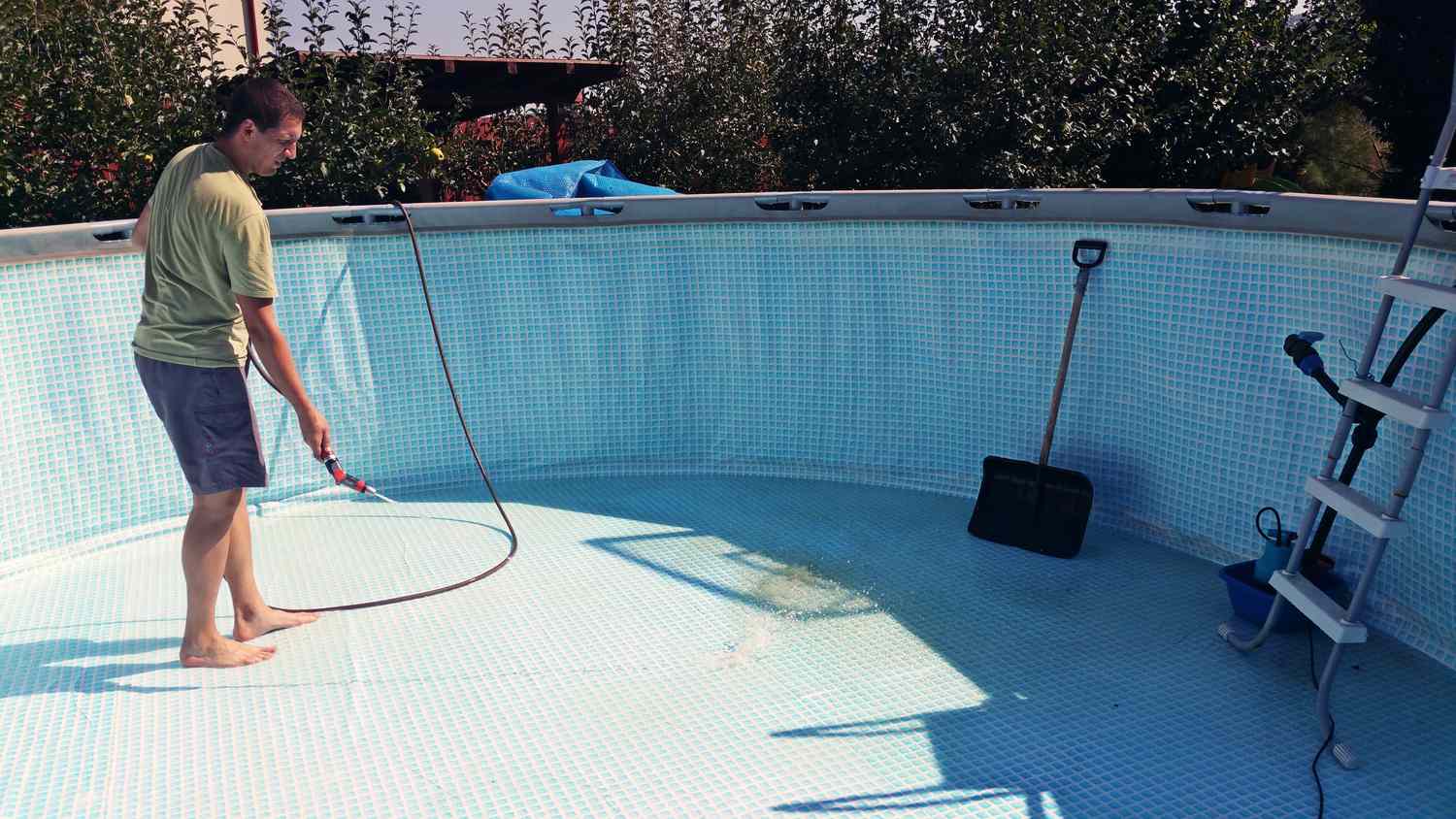

Welcome to our in-depth guide on maintaining a clean and inviting pool oasis right in your backyard. If you’ve ever felt like pool care is akin to navigating uncharted waters, worry not! We’re Poolclean enthusiasts, and we’re here to share our expertise to make pool maintenance as enjoyable as a sunny day by the poolside, especially under the Australian sun.
Understanding Your Pool’s Ecosystem
Your pool is more than just water; it’s a finely tuned environment that needs your attention to stay healthy and welcoming.
The Delicate Balance
Picture your pool as a living ecosystem that requires a delicate balance to thrive. This involves:
- Chemical Harmony: Your pool water is a blend of various chemicals, including pH levels and chlorine. Achieving the right balance is crucial for maintaining clean and safe water.
- Physical Cleanliness: Beyond chemicals, leaves, debris, and skin oils can disrupt your pool’s harmony. Regular skimming and vacuuming are essential to keep contaminants at bay.
- Filter Functionality: Think of the pool’s filter as its kidneys – constantly working to remove impurities. Ensuring it functions properly is key to a healthy pool.
The Australian Climate Factor
Now, let’s add the unique challenges of the Australian climate into the mix.
- Evaporation and Chemical Loss: Thanks to the Australian sun, water and chemical evaporation rates are higher. This means more frequent top-ups and adjustments are necessary.
- Algae Growth: Warm temperatures provide the ideal conditions for algae to thrive. Extra care in pool cleaning and chemical balancing is needed to prevent their unwelcome presence.
- Storm Preparation: For those in storm-prone areas, preparing your pool for heavy rains and winds is essential. This includes ensuring proper drainage and securing pool equipment.
With this comprehensive guide, you’ll have the knowledge to navigate the intricacies of pool maintenance, ensuring your pool remains a pristine haven, even in the Australian sun. Let’s make pool care as enjoyable as a sunny day by the poolside!
Diving into the basics of pool chemistry doesn’t necessitate a lab coat; it’s more straightforward than you might think and is indispensable for maintaining your pool’s peak condition. Let’s explore why it’s significant and how you can effortlessly oversee it.
Significance of Pool Chemistry:
Your pool is not merely a vast water reservoir; it’s a dynamic ecosystem. Getting the chemistry right is pivotal for several reasons:
- Ensuring Safe Swimming: Appropriately balancing your pool’s chemistry safeguards the water against detrimental bacteria and algae, creating a secure swimming environment.
- Safeguarding Your Pool Equipment: The correct chemical balance thwarts corrosion and damage to your pool’s surfaces and equipment, elongating their operational life.
- Crystal Clear Water: A well-balanced pool is the secret to achieving that enticing, crystal-clear appearance that heightens your swimming experience.
Key Components of Pool Chemistry:
- pH Levels: The pH scale gauges water acidity or alkalinity. Aim for a pH between 7.2 and 7.8, ensuring swimmers’ comfort and optimizing the efficacy of other chemicals like chlorine.
- Chlorine: The pool’s sanitizer, maintaining water free from bacteria and algae. Sustain chlorine levels between 1 and 3 parts per million (ppm) for effective sanitation.
- Alkalinity: Consider alkalinity the stabilizing force for pH. Maintain it between 80 and 120 ppm to forestall rapid pH fluctuations, simplifying pool care.
Testing and Adjusting Levels:
- Testing: Utilize test strips or a liquid test kit at least once a week. Immerse the strip or collect a water sample, compare colors with the provided chart, and make adjustments accordingly.
- Adjusting pH: Employ pH increasers (soda ash) or decreasers (muriatic acid) to balance pH levels.
- Managing Chlorine: Introduce more chlorine to elevate levels or let the sun naturally decrease them if levels are excessive.
- Alkalinity Adjustments: Utilize baking soda to raise alkalinity or muriatic acid to lower it.
Natural pH Balancer Tip:
Contemplate using Borax, a natural mineral found in laundry boosters, to gently elevate pH levels without resorting to harsh chemicals. Introduce it gradually and conduct frequent tests for the perfect balance.
Understanding and managing pool chemistry might not demand a lab coat, but it assuredly ensures a secure, clear, and enjoyable swimming experience while prolonging the life of your pool and equipment.
Daily and Weekly Pool Maintenance Rituals
While pool maintenance may not be as thrilling as a belly flop contest, investing time in daily and weekly cleaning rituals is vital for the long-term well-being of your pool. This comprehensive guide provides detailed insights into daily duties and weekly wonders that will not only keep your pool looking pristine but also prevent potential issues down the line.
Daily Duties:
- Skimming: Your Daily Debris Removal
- Essence: Remove leaves, bugs, and floating debris from your pool’s surface.
- Importance: Preserves the pool’s cleanliness and prevents debris from causing further complications.
- Pro Tip: Incorporate skimming into your morning routine for an efficient start to the day when debris hasn’t had a chance to sink.
- Checking Chemical Levels: The Daily Balance Act
- Essence: Utilize a testing kit to assess pH, chlorine, and other chemical levels.
- Importance: Ensures balanced chemical levels, promoting safe and swim-ready water.
- Pro Tip: Conduct this test in the evening when chemical levels stabilize after a day of sun and swimming, yielding more accurate readings.
Weekly Wonders:
- Vacuuming: Your Pool’s Deep Clean
- Essence: Vacuum the pool floor to eliminate debris settled at the bottom.
- Importance: Prevents algae growth and maintains a sparkling pool floor.
- Pro Tip: Opt for a calm, sunny morning for easier debris visibility and to allow the sun to assist in drying any splashed water.
- Brushing: The Wall-and-Tile Workout
- Essence: Brush walls and tiles to eliminate algae and mineral deposits.
- Importance: Keeps pool surfaces clean, preventing potential staining.
- Pro Tip: Prioritize brushing before vacuuming to facilitate the removal of dislodged debris during the vacuuming process.
- Filter Cleaning: Your Pool’s Kidney Check
- Essence: Regularly clean or replace the pool filter.
- Importance: A clean filter ensures efficient water circulation and filtration, essential for overall pool health.
- Pro Tip: Dedicate a leisurely weekend afternoon to thorough filter maintenance for optimal results.
Understanding Filtration Types:
- Sand Filters: Popular for simplicity and effectiveness, using sand to trap debris.
- Cartridge Filters: Utilize a paper-like cartridge to capture dirt and debris, effective for finer particles.
- Diatomaceous Earth (DE) Filters: Known for high efficiency, using a powdered substance to filter even the tiniest contaminants.
Step-by-Step Guide on Cleaning Filters:
- Sand Filters:
- Backwashing: Reverse water flow to clean the sand.
- Rinse: After backwashing, settle the sand.
- Maintenance: Replace sand every few years.
- Cartridge Filters:
- Cleaning: Remove the cartridge and hose it down.
- Deep Clean: For thorough cleaning, soak the cartridge in a specialized cleaner.
- Replacement: Replace the cartridge upon signs of wear and tear.
- DE Filters:
- Backwash: Similar to sand filters, backwash to clean the DE filter.
- Add Fresh DE: After each backwash, add fresh DE powder.
- Periodic Cleaning: Open the filter periodically for a comprehensive cleaning.
Optimizing Filtration Times for Australian Conditions:
- Run Time:
- Rule of Thumb: Run the filter for 8-10 hours a day during peak summer for clean and clear water.
- Seasonal Adjustments:
- Cooler Months: Reduce filter run time in cooler months when pool usage is less frequent.
- Energy Efficiency:
- Off-Peak Hours: Consider running the filter during off-peak electricity hours to save on energy costs.
- Regular Checks:
- Pressure Gauge: Monitor the pressure gauge; a high reading may indicate the need for filter cleaning.