
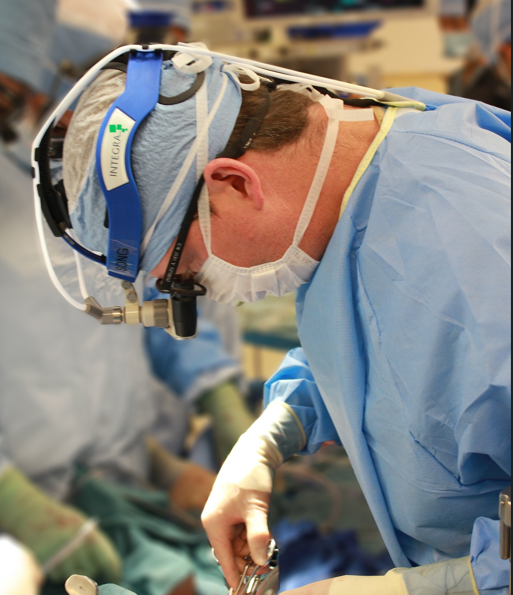

Vascular surgery encompasses the diagnosis and treatment of conditions impacting the intricate network of blood vessels within the body. These vessels, including arteries, veins, capillaries, and lymphatic pathways, play a crucial role in transporting blood and lymph fluid to and from the heart throughout the body. Vascular surgery addresses various vascular issues such as aneurysms, varicose veins, blood clots, and peripheral artery disease, which can pose significant threats to the integrity of blood vessels and lead to serious complications.
Within this article, we will delve into the realm of vascular surgery, delving into its definition, the available procedures, and an exploration of the associated risks and advantages.
Understanding Vascular Disorders
Vascular disease is a broad term encompassing disorders and anomalies within the blood vessels. Some commonly encountered vascular conditions include:
- Aortic aneurysm: Characterized by bulges or weak spots in the aorta’s walls, which could rupture and cause severe bleeding or stroke.
- Carotid artery disease: Involves the narrowing or blockage of arteries that supply blood to the brain.
- Critical limb ischemia: A condition marked by severely restricted blood flow to the legs or feet.
- Peripheral artery disease (PAD): Refers to the narrowing or blockage of arteries responsible for supplying blood to the limbs.
- Thoracic outlet syndrome: Occurs when nerves or blood vessels are compressed in the space between the collarbone and the first rib.
- Varicose veins: Enlarged, twisted veins often found near the skin’s surface, primarily in the legs, leading to discomfort, swelling, itching, or bleeding.
- Vascular malformations: Congenital anomalies affecting the development of blood vessels.
- Visceral artery disease: Arterial narrowing or blockage impacting organs within the abdomen, such as the kidneys, liver, spleen, or intestines.
Risk Factors for Vascular Issues
Vascular disorders can affect individuals of all ages, but certain factors elevate the risk of developing such problems:
- Age: The likelihood of vascular disease increases with age, particularly beyond the age of 50.
- Family history: A family history of vascular disease heightens the risk of inheriting such conditions.
- Smoking: Tobacco use damages blood vessel linings, promoting the buildup of plaque and inflammation.
- Diabetes: High blood sugar levels associated with diabetes can damage nerves and blood vessels.
- Abnormal cholesterol levels: Elevated cholesterol levels contribute to artery clogging and reduced blood flow.
- High blood pressure: Hypertension strains blood vessels, potentially weakening them over time.
- Obesity: Excess weight places added stress on blood vessels.
- Sedentary lifestyle: Insufficient physical activity reduces circulation and muscle tone, increasing the risk of blood clots.
- Prolonged sitting or standing: Extended periods of immobility can impair venous return, leading to swelling or varicose veins.
Determining the Need for Vascular Surgery
The necessity of vascular surgery hinges on the nature and severity of the condition. While some individuals might not require surgical intervention and can manage their condition through lifestyle adjustments or medications, others with advanced or symptomatic vascular diseases might need surgery when medical therapy and lifestyle changes prove inadequate.
Various factors contribute to the decision for surgery, including overall health, medical history, extent and location of vascular damage, symptoms, and impact on daily life. Before recommending surgery, a surgeon conducts a thorough assessment, evaluating severity through examinations, blood tests, imaging (such as ultrasound, angiography, MRI, or PET scans), and functional tests like ABI, treadmill tests, or PVR.
Based on these evaluations, the vascular surgeon determines the suitability of surgery and the optimal treatment approach.
An Overview of Vascular Surgical Techniques
Broadly, two categories of vascular surgery exist: open and endovascular.
Open Surgery:
Open surgery entails creating a surgical incision in the skin to access and repair or replace the affected blood vessel. Generally performed under general anesthesia, this procedure often necessitates a hospital stay of several days and a more extended recovery period.
Examples of open vascular surgery include:
- Carotid endarterectomy: Addresses carotid artery diseases by removing arterial plaque to enhance blood flow and prevent stroke.
- Bypass surgery: Redirects blood flow around a blocked or damaged vessel using synthetic tubes or healthy blood vessels from other parts of the body.
Endovascular Surgery:
Endovascular surgery employs minimally invasive methods, involving smaller incisions compared to open surgery. Recovery time and hospitalization periods tend to be shorter.
In endovascular surgery, a small incision is made, typically in the groin area. A catheter, a thin and flexible tube, is inserted into a blood vessel and guided to the problem site using imaging techniques like X-ray or ultrasound.
Common techniques within endovascular surgery encompass:
- Ablation: Utilizes heat to seal off varicose veins.
- Angioplasty: Involves expanding narrow blood vessels using balloon-like tools to enhance blood flow, often combined with stenting.
- Stent placement: Inserts a mesh tube (stent) into a narrow blood vessel to maintain openness and promote blood flow.
- Stent graft placement: Deploys a fabric tube supported by a stent to reinforce weak blood vessel areas, such as in cases of aortic aneurysms.
- Thrombolytic therapy: Administers drugs to dissolve harmful blood clots.
Assessing Risks of Vascular Surgery
Naturally, vascular surgery entails certain risks and potential complications, akin to any surgical procedure. These include:
- Anesthesia-related allergic reactions
- Bleeding
- Infections
- Blood clot formation
- Artery re-narrowing
- Insufficient blood flow to limbs or organs
- Damage to neighboring blood vessels or nerves
- Risks of stroke, heart attack, kidney failure, or even mortality
Certain factors might amplify the likelihood of complications, such as advanced age, history of stroke, smoking, obesity, diabetes, or pre-existing serious medical conditions like heart, kidney, or lung ailments.
Nonetheless, the advantages of vascular surgery typically outweigh the associated risks, especially in cases of severe vascular disease.
In Conclusion
Should you or a loved one encounter a vascular issue potentially requiring surgical intervention, do not hesitate to consult a vascular surgeon. They will guide you through the procedure’s risks and benefits, aiding in the determination of the most suitable treatment course for your unique situation.