
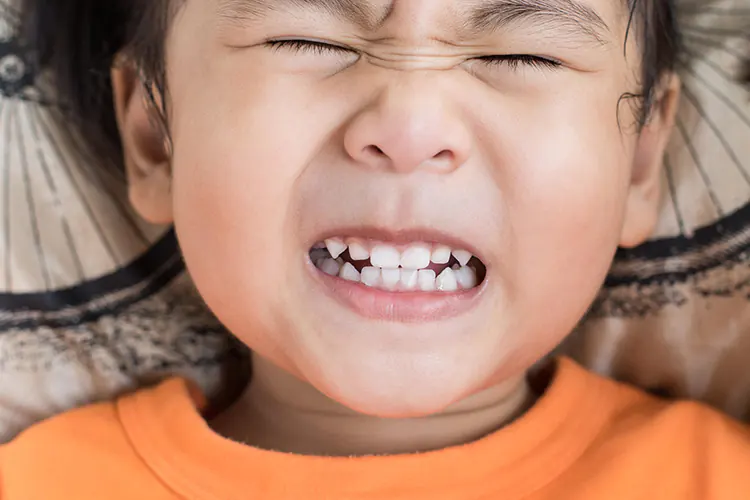

Do you hear weird noises coming from your child’s room at night? Do you see your child grinding their teeth during the day? Teeth grinding, or bruxism is a common condition that affects many children. While some children may outgrow this habit, it can lead to long-term damage if left unaddressed.
In this blog post, we will discuss how parents can prevent and manage teeth grinding in their children.
What is Tooth Grinding (Bruxism)?
If you ever hear strange sounds coming from your child’s mouth while they sleep or concentrate, your child could be experiencing bruxism – a condition that affects people of all ages. Bruxism happens when people unconsciously grind or clench their teeth, and it can cause a lot of discomfort.
General Dentistry Treatments – So, what’s the difference between grinding and clenching? Grinding is a rhythmic motion where the lower and upper teeth rub against each other, forcing the jaw muscles to move back and forth or side to side. On the other hand, clenching is when teeth are held together with pressure as the jaw muscles tighten, but there’s no movement of teeth against each other.
Both grinding and clenching can put stress on the jaw muscles, but chronic grinding can lead to more severe damage. If left untreated, bruxism can cause headaches, jaw pain, and even tooth loss.
Signs of Paediatric Bruxism
- Gnashing and Grinding Sounds: If you’ve ever cringed at the sound of nails on a chalkboard, you’ll understand the discomfort of hearing your child grind their teeth during sleep. This unmistakable grinding noise can be an indicator that your little one is clenching their jaws and rubbing their teeth together.
- Morning Headaches and Jaw Pain: Has your child been waking up with complaints of headaches or jaw pain? These unwelcome companions may be an outcome of the intense pressure exerted on the jaw joints and muscles during teeth grinding. Pay attention to any discomfort your child experiences upon waking up.
- Worn or Fractured Teeth: A dental check-up might reveal the surprising effects of teeth grinding on your child’s pearly whites. Dentists often detect telltale signs of grinding, such as flattened tooth surfaces, worn enamel, or even fractures in extreme cases. If you notice any unusual changes in your child’s teeth, it’s time to investigate further.
- Increased Tooth Sensitivity: Teeth grinding can lead to heightened tooth sensitivity as the protective enamel is gradually worn away. If your child starts wincing or showing signs of discomfort when consuming hot or cold foods and beverages, it might be a result of grinding.
- Facial Pain and Fatigue: Imagine waking up feeling like you just ran a marathon while you were fast asleep. Children who grind their teeth often experience facial pain and fatigue due to the continuous strain on their jaw muscles. If your child seems unusually tired or complains of facial discomfort, it’s worth considering teeth grinding as a possible culprit.
- Disrupted Sleep Patterns: Teeth grinding can disrupt your child’s sleep, leaving them feeling restless and groggy in the morning. Keep an eye out for signs of disturbed sleep, such as frequent tossing and turning, sudden awakenings, or daytime drowsiness. These might indicate that teeth grinding is interfering with your child’s quality of sleep.
Remember, these signs don’t always occur in isolation, and each child may exhibit a unique combination of symptoms. If you notice any of these signs persisting or causing concern, it’s best to consult with a dental professional for an accurate diagnosis and guidance on the next steps.
The Causes and Risks of Teeth Grinding
Bruxism can be triggered by a variety of factors. One common culprit is stress. Yes, even our little ones can experience stress and anxiety. It could be due to school pressures, family dynamics, or even changes in their environment. Imagine having to navigate a big, scary world with pint-sized shoulders – it’s no wonder their teeth occasionally get caught in the crossfire!
Sleep disorders also play a sneaky role in the teeth grinding game. Conditions like sleep apnoea or restless leg syndrome can lead to our little champions unconsciously channelling their inner Rocky Balboa during sleep. It’s like a mini boxing match happening right in their tiny mouths!
Now, let’s not forget about those pesky medication side effects. Some medications, especially those used to treat attention deficit hyperactivity disorder (ADHD), can cause jaw clenching and teeth grinding as a side effect. It’s like a classic case of “the cure can be worse than the ailment.” Who knew our little superheroes might have to face dental villains as a result of their medication?
Dental issues also join the party as potential causes. When kids have misaligned bites, missing teeth, or even erupting new ones, their teeth can get a little rowdy at night. It’s like a construction site in their mouth, complete with bulldozers and jackhammers. No wonder their little jaws ache and their teeth take the brunt of it all!
So, what’s the big deal if teeth grinding goes unchecked? The risks are not to be taken lightly. Think about it – grinding those pearly whites against each other with the force of a tiny jackhammer can lead to serious dental damage. We’re talking chipped teeth, worn enamel, and even tooth sensitivity. And let’s not forget about the headaches and jaw pain that can tag along for the ride.
It’s like a rollercoaster of discomfort that no child should have to endure! Moreover, the prolonged grinding can affect the jaw joint and surrounding muscles, causing temporomandibular joint disorder (TMJD). This can lead to jaw clicking, limited jaw movement, and overall facial discomfort. Imagine trying to enjoy a delicious ice cream cone with a jaw that just won’t cooperate – it’s the stuff of childhood nightmares!
Prevention and Management Techniques for Bruxism (Teeth Grinding)
1) Using Nightguards
When it comes to protecting your child’s teeth from the villains of teeth grinding, nightguards are here to save the day. Think of them as the capes that shield your little one’s pearly whites from harm while they sleep.
Teeth grinding splints and dental mouthguards come in different types, such as custom-made ones from the dentist or over-the-counter options. Custom-made guards are like tailored suits that fit perfectly, offering optimal protection. On the other hand, over-the-counter guards, while not as precise, can still provide a decent defence against teeth grinding.
2) Screen Time Reduction: Eyes and Teeth Need a Break
Did you know that excessive screen time can contribute to teeth grinding in children? It’s true! Those hours spent glued to screens can lead to stress and tension, causing those little teeth to grind away.
But don’t worry, for I bring you practical tips to help you reduce screen time and give your child’s eyes and teeth a well-deserved break. Encourage other engaging activities that capture their imagination, like arts and crafts, storytelling, or even outdoor adventures. Let their creativity soar, and watch as the teeth grinding retreats like a defeated foe.
3) Relaxation before Bedtime
Picture this: a cosy, peaceful bedtime routine that sets the stage for a night of undisturbed sleep. Creating a calming atmosphere before bed is key in the battle against teeth grinding. It’s like casting a spell that soothes your child’s mind and body, preparing them for a restful slumber.
Deep breathing exercises and gentle stretches work wonders in helping your little one unwind. Picture them taking deep breaths like a sleepy dragon, slowly exhaling and letting go of the day’s worries. It’s a tried-and-true technique that has helped countless families find success in taming teeth grinding beasts.
4) Healthy Dietary Changes
Nutrition is a powerful ally in the quest for a healthy smile. Certain foods and beverages can promote oral health and relaxation, serving as potions that keep teeth grinding at bay.
Consider incorporating smile-friendly foods into your child’s diet, such as crunchy fruits and vegetables, calcium-rich dairy products, and soothing herbal teas. Oh, and let’s not forget the importance of hydration – drinking plenty of water keeps those teeth hydrated and happy.
5) Good Sleep Habits
Establishing good sleep habits is crucial in defeating teeth grinding villains. A consistent sleep schedule is like a secret weapon that regulates your child’s body clock, signalling when it’s time to recharge.
Create a soothing bedroom environment, complete with cosy blankets, dim lights, and perhaps some relaxing music. Stick to a bedtime routine that your child can rely on, like brushing their teeth, reading a favourite story together, or having a calm chat before tucking them in. Trust me, these simple yet powerful strategies have transformed restless nights into peaceful dreams for many families.
Conclusion
Addressing teeth grinding in children is essential to prevent long-term damage and ensure peaceful nights for the whole family. By understanding the causes, implementing preventive measures, and utilising practical tips and engaging activities, you can empower your child to bid farewell to teeth grinding. Remember, it’s never too early to start promoting healthy habits and providing the support your child needs for a lifetime of beautiful smiles.
If your child suffers from teeth grinding and you desire an effective solution, book an appointment with a respected Annerley dentist today.