
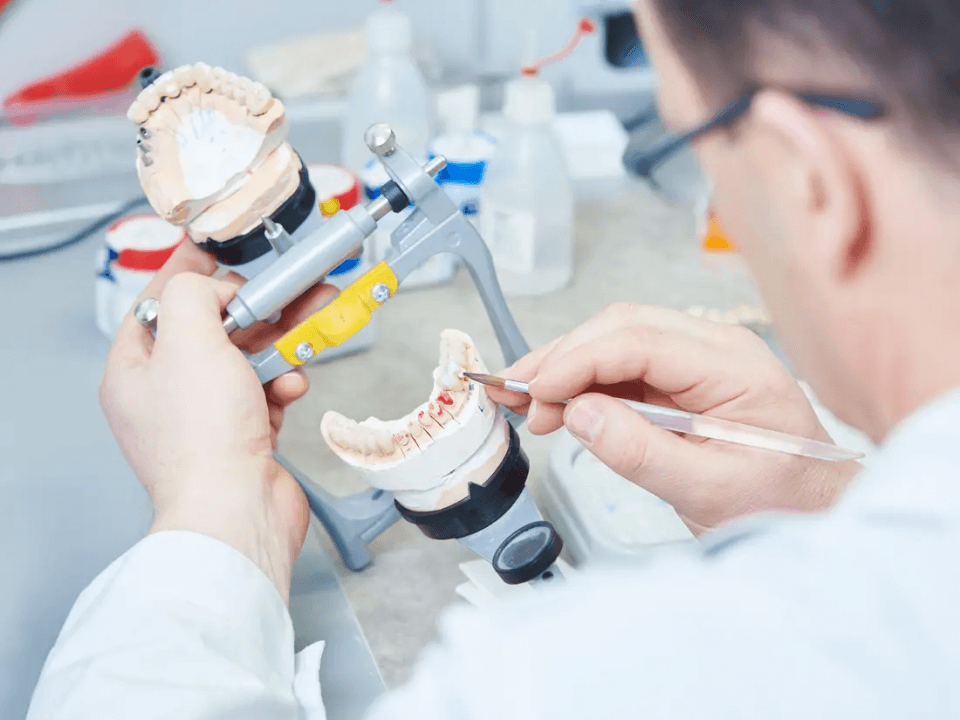

If you’ve always wanted to work in dentistry or in a dental department, your dream is closer than you think. This is especially true given that you don’t have to be a dentist to benefit from the dental sector. There are numerous good work opportunities available at all levels of this business, one of which is that of a dental technician.
A dental technician, also known as a dental technologist, is an important component of the dental team who is in charge of developing, sterilising, and repairing dental equipment and devices to improve a patient’s look, speaking, and eating abilities. Indeed, these specialists perform a critical role in the realm of dental health that cannot be overstated. Please continue reading to learn more important information about dental prosthetist.
A dental technician’s professional responsibilities
Prosthodontists are, of course, required to contribute to specialised sections of the oral health industry. This is comparable to many other regulations and their industries. Here are some of the areas of dentistry where a prosthodontist can help.
Prosthodontics Dentistry: This discipline of dental technology creates and fits artificial substitutes for lost or missing tissues or teeth. Full and partial sets of crowns and veneers are made by dental technicians in this sector.
Orthodontics Technology: This field is concerned with correcting, removing, and fixing misaligned teeth. Braces and other alternative aligners are created or repaired by dental technicians in this sector.
Maxillo-facial technology is a branch of dental technology that focuses on the restoration and rehabilitation of facial features and jaws. Dental technologists in this discipline of dentistry deal with ophthalmology, cancer, and rebuilding of patients’ faces that have been disfigured in accidents or by diseases.
Conservation dentistry is concerned with the restoration of crowns, bridges, and inlays. Crown and bridge technicians are specialists in this industry.
A dental technician’s responsibilities
- Examining patients’ x-rays, photos, and impressions of their teeth.
- Working with various materials such as wax, porcelain, metal, and composite materials.
- Prepare metal surfaces for connecting with porcelain to manufacture prosthetic teeth using small hand tools.
- Cleaning and sterilising dental instruments for medical treatments.
- Maintaining records and keeping track of medical supplies, as well as processing patients’ medical records as needed by the dentist.
- Maintain dental laboratory records and generate laboratory activity reports.
- Using computer-aided design (CAD) software and manufacturing technology, create replacement and alignment devices.
- Create a physical and digital model of the patients’ mouths.
- Design, modify, and repair dental devices or appliances such as dentures, inlays, dentures, and bridges for teeth straightening.
- Using sophisticated tools to generate dental improvements.
- Examine requirements, prescriptions, and model designs to identify the design pattern of dental items to be manufactured or designed.
A dental technician must have certain skills and competencies.
To be effective in the job, dental technicians are normally expected to have the following talents and qualities:
- Time management abilities to execute tasks in a timely manner.
- Quick comprehension of written documentation and prescriptions from dentists.
- Knowledge of Windows-based applications.
- Understanding of dental implants.
- Excellent communication abilities.
- Customer service abilities.
- Knowledge of electronics and construction.
Conclusion
A registered dental technician or technologist must have specific academic and medical qualifications, yet it is an excellent and well-paying position in dentistry. This article has covered the most important aspects of the profession.