
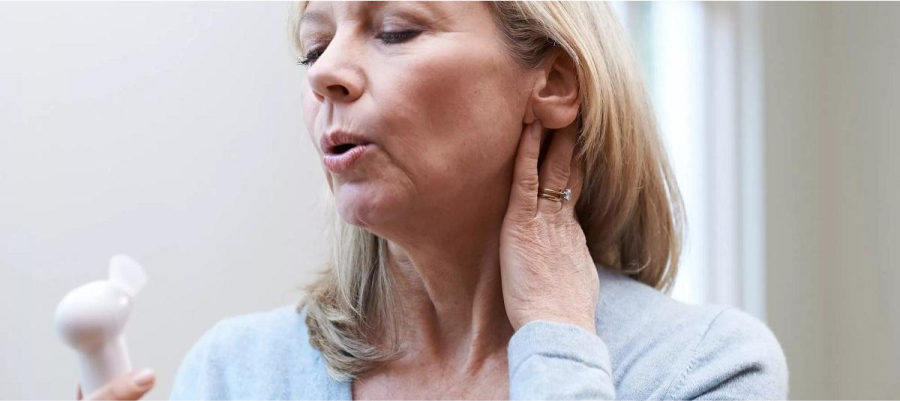

Menopause marks a significant life transition for many Australian women. They experience hormonal shifts and physical changes that can affect their day-to-day living and long-term quality of life.
Many women in their mid-40s and beyond experience sudden, frequent, or intense headaches that didn’t manifest when they were younger. While some wake up with a migraine, others feel theirs has intensified like never before. Unfortunately, these symptoms can interfere with their careers, family life, and daily living.
If you’ve been experiencing migraines in your menopausal years, you’re not alone. As a trusted specialist Gold Coast menopause clinic, we provide timely information and insights to help you overcome your health challenges and enjoy midlife and beyond.
This blog explains how menopause can trigger headaches and migraines, helping you understand the underlying causes and find practical relief strategies.
Why Headaches Often Worsen During Perimenopause
The female hormone oestrogen influences several major neurotransmitter pathways, enabling the brain to manage pain and discomfort. It enhances serotonin activity, manages pain signals, and stabilises blood vessel tone, preventing headaches and migraines.
As oestrogen levels fluctuate during perimenopause, they can impact neurotransmitter activity, such as those of norepinephrine and dopamine, which help regulate the brain’s response to pain. These hormonal shifts are usually irregular, with oestrogen levels rising and falling unpredictably instead of declining steadily.
Consequently, the nervous system may become more sensitive to pain, increasing the likelihood of headaches or making existing migraines more frequent or worse.
How to Distinguish Between Migraines and Tension Headaches
As a reputable online women’s health service on the Gold Coast, we encourage menopausal women to distinguish the difference between migraines and tension headaches, enabling them to determine the best strategies for long-term relief.
Migraines usually trigger throbbing or intense pain mainly on one side of the head. However, menopausal women can also experience a pulsating sensation on both sides. The ache can intensify gradually and peak between moderate and severe. Simple movements, such as climbing stairs or hinging at the hips, can worsen migraines.
Many middle-aged women experience warning signs, including yawning, neck discomfort, fatigue, and mood swings, before a migraine episode. Intense pain can be accompanied by dizziness, light or sound sensitivity, and temporary visual disturbances, such as flashing lights, zigzag patterns, or blurry patches.
These symptoms occur because migraines involve changes in brain activity, sensory processing, and blood vessel function, which can collectively heighten pain sensation.
On the other hand, tension headaches usually cause a constant, dull ache or a feeling of tightness felt on both sides of the head, often described as a band or vice-like pressure. Menopausal women usually experience steady, mild to moderate pain that’s not aggravated by daily physical activities. Unlike migraines, tension headaches rarely cause nausea or sensitivity to light or sound.
As a general practitioner on the Gold Coast, we commonly associate tension headaches with tight muscles in the neck, shoulders, and scalp. This discomfort is also a manifestation of how the nervous system interprets pain signals. Collectively, these symptoms create a squeezing sensation instead of an intense, throbbing pain on just one side of the head.
It’s also important to note that tension headaches often resolve within 30 minutes to 24 hours. Conversely, migraines can persist for several days without proper treatment.
Managing Menopausal Headaches Through Lifestyle Changes
Alongside treatment from a trusted menopausal doctor on the Gold Coast, healthy lifestyle habits can drastically reduce the frequency and intensity of headaches in midlife. While not every strategy works for every woman, identifying those that you can integrate into your daily routine can improve your long-term quality of life.
Helpful strategies include:
- Maintain a consistent sleep schedule to support hormone regulation and prevent fatigue-related headaches.
- Keeping a headache diary to identify specific triggers, such as certain foods, stress, climate changes, or hormonal shifts.
- Drinking plenty of water, as even mild dehydration can trigger menopausal headaches.
- Eating balanced meals at regular intervals to stabilise blood sugar levels and prevent hunger-related headaches.
- Minimising alcohol and caffeine consumption, especially if your general practitioner on the Gold Coast identifies them as potential triggers.
- Exercising regularly and maintaining a healthy weight, which can improve circulation, reduce stress, and improve long-term hormonal health.
- Practising stress management techniques, such as meditation, yoga, mindfulness, or deep breathing exercises, to ease muscle tension and calm the nervous system.
- Considering complementary interventions, such as massage therapy, to relieve muscle soreness and reduce headache frequency.
Although these strategies may not completely eliminate menopausal headaches, they can complement your doctor’s intervention plan, better manage symptoms, and improve your overall health and well-being.
Considering HRT to Stabilise Hormone Levels During Menopause
Hormone replacement therapy (HRT) can be an efficient strategy to reduce menopausal tension headaches and migraines. As a trusted menopause specialist on the Gold Coast, we recommend HRT for middle-aged women with symptoms triggered by shifting oestrogen levels. Maintaining more consistent hormone levels can help reduce headache frequency and less severe migraine attacks.
Nowadays, many healthcare providers in Australia recommend transdermal oestrogen, which is delivered through patches, gels, or creams, for menopausal women who experience recurring headaches. They absorb the formulations through the skin and enter the bloodstream directly, preventing potential liver complications. This technique delivers a steady supply of oestrogen that helps minimise hormonal shifts associated with menopausal headaches.
If you’re considering HRT to relieve tension headaches or migraines, consult a reputable menopause doctor who can prescribe a tailored solution unique to your situation. We also recommend consulting your physician if you experience any of the following symptoms:
- Sudden, intense headaches.
- A headache accompanied by fever, stiff neck, or a rash.
- Headaches that worsen even with medication and lifestyle changes.
- A considerable change in headache pattern and frequency,
- A first-time intense menopausal headache.
- Facial or body numbness, weakness, or speaking issues.
Frequently Asked Questions (FAQs)
Can menopause cause headaches even if I’ve never experienced them before?
Hormonal shifts in midlife can trigger tension headaches or migraines in women who never experienced them previously.
Do midlife headaches go away after menopause?
Many women experience relief from headaches once their hormone levels stabilise after menopause. However, stress, poor sleep, or underlying migraine conditions may make these headaches persist. If this applies to you, we recommend consulting your doctor immediately.
Conclusion
Although headaches and migraines are common in midlife, they don’t have to be a regular nuisance. Understanding how hormonal changes affect your nervous system can help you find long-term relief and deliver peace of mind.
With the right combination of lifestyle changes, medical support, and personalised treatment, many women can significantly reduce the frequency and severity of tension headaches or migraines and enjoy life in their golden years and beyond.
At Her Medical, our experienced menopause doctors offer tailored, evidence-based medical care to help Australian women successfully manage tension headaches, migraines, and other menopause-related conditions. Book an appointment today to speak with one of our general practitioners and experience long-term relief.