
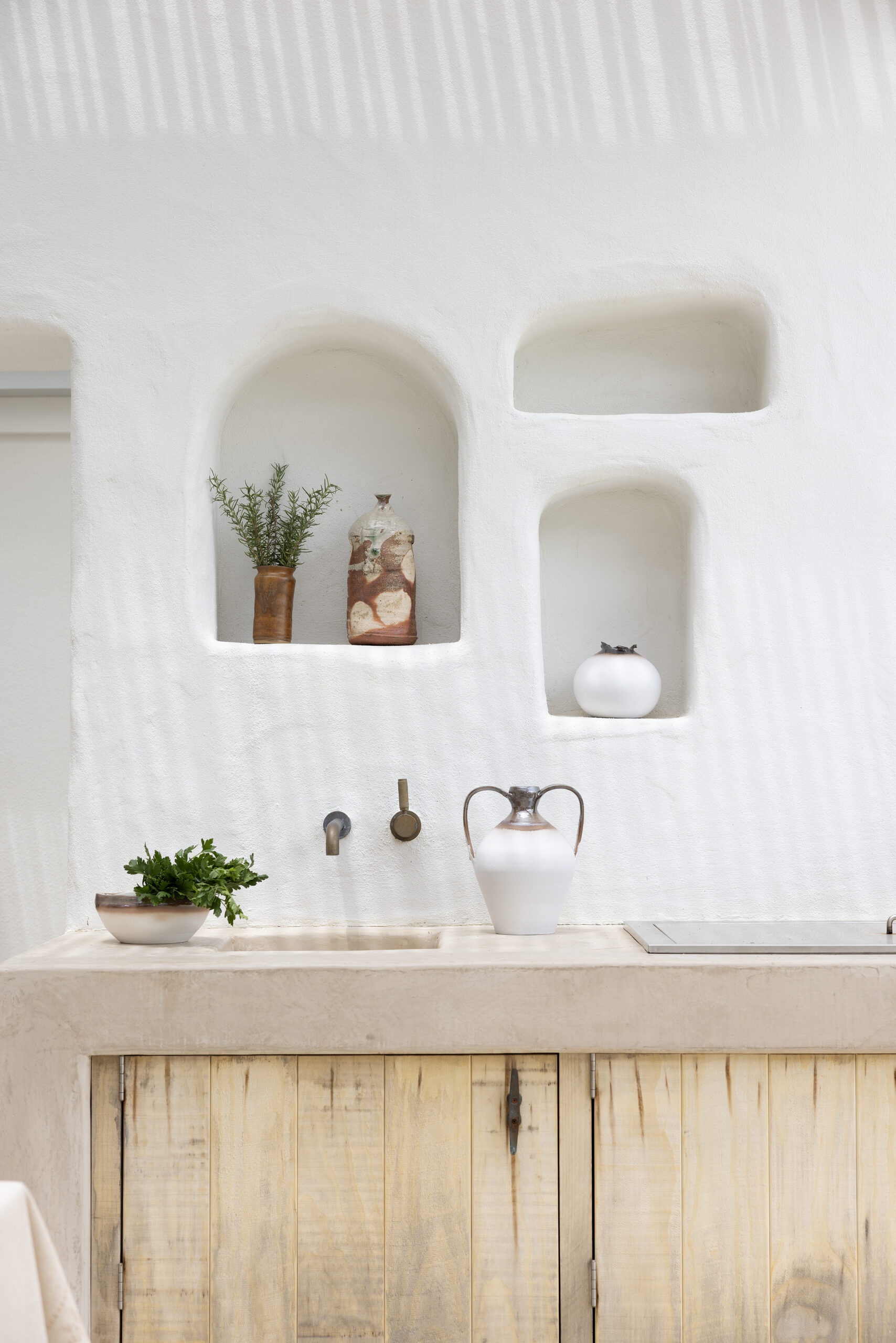

It can be both immensely exciting and intimidating to furnish a home and add your particular taste and style to your surroundings. There are numerous considerations to be made, including selecting the wall colors, the hardware, the decor, the upholstery, and the accents.
Fortunately, you’re not the only one trying to create a beautiful space. Many interior designers are more than willing to provide you with the necessary information because they have the expertise and skill required to complete the task.
Whatever your budget is, there are quick and simple things you can do to make your interiors stand out. Decorating ideas doesn’t need to be labor-intensive. It is possible to completely transform a temporary home with basic affordable materials.
This article is a must-read for you if you are thinking of embarking on your interior design project. Remember, interior design is a subjective art, and these tips are meant to be a guideline. Trust your instincts and have fun experimenting with different styles and ideas to create a space that truly reflects your personality and lifestyle.
Let’s begin!
1. Define Your Style:
Defining your style is an essential step in decorating your interiors as it provides a clear direction and framework for your design choices. Before starting any decorating project, it’s important to define your style. You should understand and consider your personal preferences, lifestyle, and the atmosphere you want to create in your room.
Having a defined style serves as a guide for decision-making when selecting furniture, decor, and other design elements. It helps you filter through the myriad of options available and make choices that align with your style. This, in turn, will help you make cohesive design decisions throughout the process. Also, with a clear style defined, you can avoid trial and error or experiment with different design ideas, which can be time-consuming and costly.
2. Plan Your Layout:
For interiors to be both functional and aesthetically pleasant, a well-planned layout is essential. You have to take into account the room’s layout and furniture placement. In addition, you have to verify that there is adequate area for movement and that the furniture is in proportion to the size of the room.
A well-planned layout takes into consideration the traffic flow within the space. It ensures that there are clear pathways and circulation routes that are free from obstructions. This is particularly important in high-traffic areas such as living rooms, kitchens, and hallways, where smooth traffic flow is essential for functionality and safety.
Also, planning your layout helps you achieve aesthetic balance in your interiors. This involves carefully considering the placement of different design elements, such as furniture, lighting, and accessories, to create a sense of visual balance and harmony.
3. Create a Focal Point:
Creating a focal point is a crucial design principle in interior decorating that helps to draw attention to a specific area or feature in a room. A focal point is necessary for any space. It serves as a visual anchor, adding interest, balance, and depth to the space. A focal point can also serve a practical purpose by directing attention to a functional element in the room. It could be a work of art, stunning sardinian rugs, mediterranean ceramics, mediterranean tea set or even a piece of furniture that makes a statement.
To add visual interest and improve the room’s overall appearance, carefully use statement objects. As a result, the area will become more visually appealing and draw the attention of your visitors. Also, A focal point can reinforce the style and theme of a room. For instance, bold and colorful artwork can serve as a focal point in a modern room, while a grand fireplace can be a focal point in a traditional room. It can help to set the tone for the overall design style and create a cohesive look and feel.
4. Pay Attention to Lightening:
Lighting plays a crucial role in interior decoration as it can greatly impact the ambiance, mood, and functionality of a space. You can create a well-lit environment by combining ambient, task, and accent lighting. If possible, combine artificial lighting alternatives like pendant lights, table lamps, and wall sconces with natural illumination sources like windows and skylights. Lighting can also create visual depth in a room by casting shadows and highlights, which can add depth and dimension to the space.
The strategic placement of light sources can create interesting patterns, textures, and contrast, adding visual intrigue and depth to the room’s design. From enhancing aesthetics to providing functional illumination, lighting can be used creatively to transform and elevate the ambiance of your interiors. Properly planned and executed lighting design can bring out the best in your interior decor and create a visually appealing and functional living space.
5. Consider Scale and Proportion:
In interior design, you have to endeavor that your furniture and accessories are in proportion to the space and to one another. Also, make sure everything fits together harmoniously and avoid overcrowding or under-furnishing a room. Large pieces can overwhelm a small room, while small items can get lost in a larger space.
When all the elements in a room are appropriately sized and proportioned, they work together seamlessly, creating a sense of cohesion and flow in the space. Achieving the right scale and proportion is key to creating an aesthetically pleasing interior. It helps in creating a sense of balance, harmony, and visual appeal.
When the elements in a room are proportionate and appropriately scaled, they create a pleasing visual rhythm that enhances the overall aesthetics of the space
6. Choose a Color Palette:
The mood and ambiance of a room are greatly influenced by color. So, pick a color scheme that goes with your taste and the room’s purpose. Colors have a psychological impact on our emotions and can evoke different moods and atmospheres. When choosing colors, keep in mind the furniture, textiles, accessories, and wall decor. Also, you should consider the room’s function, the mood you want to create, and the existing colors in the space.
A well-considered color palette can also guide your selection of materials and patterns for various interior elements, such as walls, flooring, upholstery, and accessories. You can use a maximum of three to four colors to maintain a cohesive look. By choosing a color palette that aligns with the mood and atmosphere you want to create in a room, you can effectively enhance its overall ambiance.
7. Mix Patterns and Textures:
Patterns and textures are powerful tools in interior decorating that can add visual interest, style, personality, and versatility to your space. Carefully incorporating them into your interior design can help you create a visually appealing and cohesive space that reflects your style and enhances the overall aesthetic of your home. Patterns and textures can create visual interest and add dynamic elements to your interior space.
A room can gain depth and intrigue by combining different patterns and textures. Try combining different textures, such as velvet, linen, or leather, with different patterns, such as stripes, flowers, or geometrics. To produce a harmonious and eye-catching design, pay attention to the scale and color of the patterns and textures.
8. Hire a Professional
The most important tip for interior design is to follow your style. This is possible if you hire a professional to help you with your interior design. Your home should reflect your taste, preferences, and lifestyle. Don’t be afraid to request samples and previous work done by the professional. A professional can save you time and money by helping you make informed decisions about where to invest your budget and by managing the entire design process, including sourcing and purchasing materials, furniture, and accessories on your behalf.
They can also help you avoid costly mistakes that can arise from poor design choices. Interior decorators often have a network of contacts in the design industry, including contractors, suppliers, and artisans, which can be beneficial in coordinating and executing your design project.
Conclusion
Interior design is a creative process that requires careful consideration of various elements such as space, color, scale, lighting, and personal style. By following these decorating tips, you can create a beautiful and functional space that reflects your unique sense of style and enhances your living experience.Enhance your home decor with Sardinian and Mediterranean homewares made from high-quality, ethical and sustainable materials. Buy online at La Sarda!