

Hormonal fluctuations and changes in ovarian function can cause night sweats, hot flashes, an increased risk of urinary infections, sleep issues, mood swings, and depression among perimenopausal and menopausal women. These health challenges can disrupt their day-to-day schedules and compromise their quality of life.
Hormonal replacement therapy (HRT) increases diminishing sex steroid hormone levels, allowing women in their mid-forties and older to successfully manage symptoms. Treatment timing could affect HRT’s benefits and risks.
For this reason, understanding the ideal timing and expectations for HRT can empower women to enjoy optimal long-term health in midlife and beyond. As a trusted Gold Coast menopause specialist who has assisted numerous perimenopausal and menopausal women since 2021, we’re committed to supporting you in this endeavour.
This guide to starting HRT allows Australian women to understand its timeline and expectations, enriching their quality of life and boosting their long-term health.
Hormone Replacement Therapy (HRT) Explained
Hormone replacement therapy (HRT) replenishes diminishing oestrogen, progesterone, and DHEA levels during various phases of menopause, which can affect women physically, psychologically, and sexually. Oestrogen is the main HRT hormone, whose dosages range from ultra-low to standard.
General practitioners may prescribe HRT to perimenopausal and menopausal women due to its ability to reduce hot flashes, night sweats, and vulvovaginal symptoms. Some studies have also shown that HRT can minimise the risk of osteoporosis, a common condition among menopausal women. Experts associate the increased risk with hormonal changes that compromise bone mineral density.
Physicians often prescribe progesterone for menopausal women with intact uteruses to minimise the risk of endometrial cancer and endometrial hyperplasia. Depending on your unique situation, your general practitioner may administer HRT formulations with either synthetic or bioidentical hormones. It’s important to note that the latter option more closely resembles natural hormones and allows individualised dosing.
The main HRT delivery methods and types include:
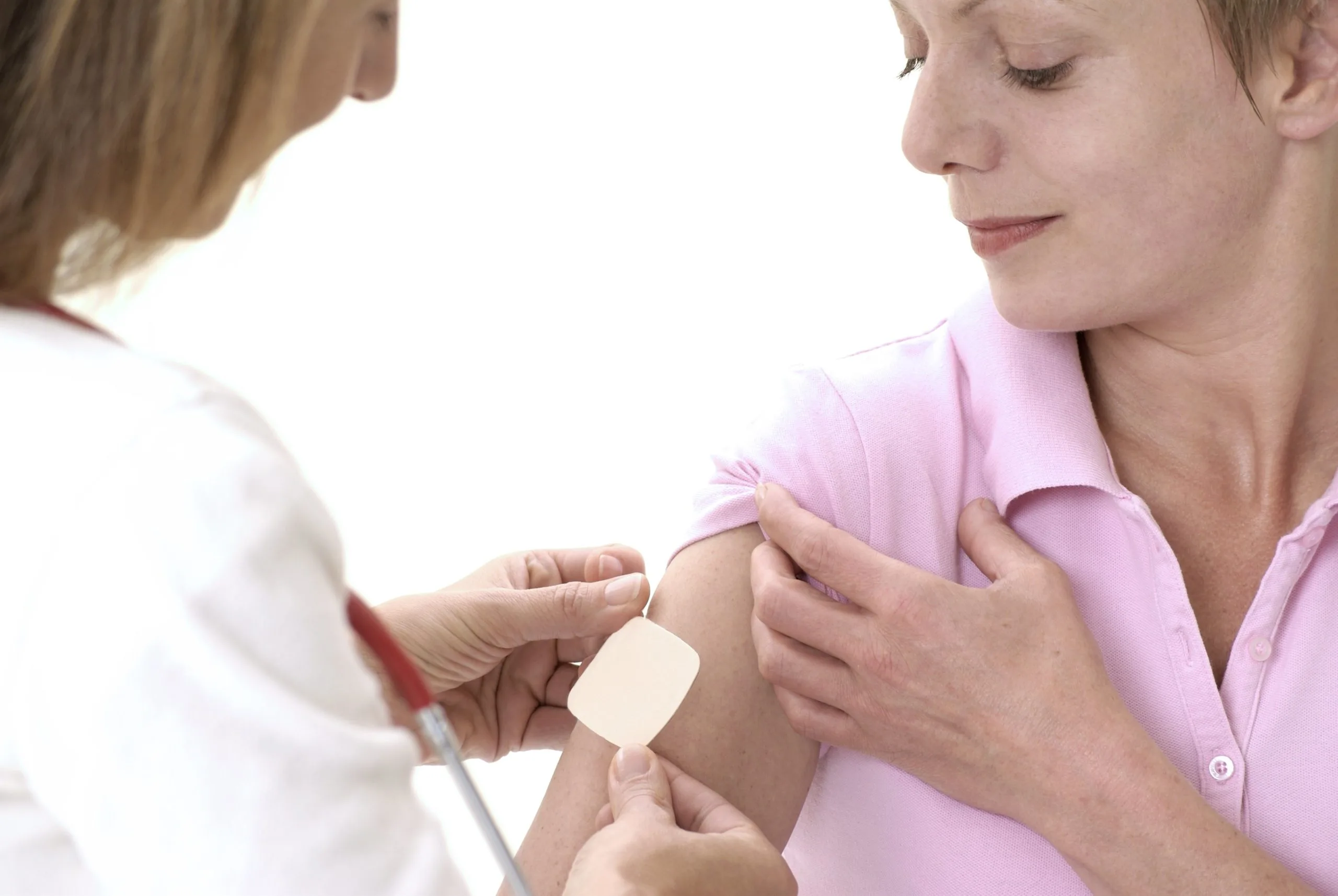
- Transdermal (skin application): Doctors often recommend transdermal HRT, such as patches, gels, or sprays, to minimise the risk of blood clots. Transdermal applications bypass the liver and are ideal for women with cardiovascular issues, diabetes, obesity, and migraines. Experts consider this the HRT delivery method with the lowest health risks.
- Oral oestrogen (tablets): Patients take a daily tablet that may contain oestrogen alone or a combination of oestrogen and progesterone or progestogen, which helps protect the uterine lining in menopausal women with an intact uterus.
Since HRT tablets are first metabolised by the liver, they can increase the risk of clotting. Oral oestrogen has also been linked to a higher risk of deep vein thrombosis (DVT), pulmonary embolism, high blood pressure, and stroke. We recommend women who are obese, smoke, and have a personal or family history of blood clots to seek other alternatives.
Combined oestrogen and synthetic progestogen may increase the risk of breast cancer with 3 to 5 years of continuous use. It’s important to note that these health risks associated with oral oestrogen are rare. Nevertheless, consult your general practitioner if you have any pre-existing conditions prior to your HRT treatment.
- Vaginal (local treatment): Creams, tablets, or rings that minimise vaginal dryness and relieve urinary symptoms. Since local vaginal oestrogen does not increase the risk of blood clots, cardiovascular issues, or breast cancer, physicians consider it safe for many high-risk women.
- Testosterone: Doctors usually prescribe HRT with testosterone for menopausal women with libido issues. Delivery at low, physiological doses is clearly safe for most patients, provided their blood levels are closely monitored.
Knowing the Right Time to Begin HRT Therapy
Since women transition into menopause at different ages, HRT therapy begins at various ages. Many Australian women become perimenopausal between 45 and 55, with most becoming menopausal in their early 50s. If you’re experiencing typical symptoms, such as hot flashes, vaginal dryness, mood swings, and sleep issues, schedule an appointment with your physician to inquire about HRT therapy.
Oral oestrogen may increase the risks of blood clotting, deep vein thrombosis (DVT), pulmonary embolism, high blood pressure, and stroke. However, these side effects are rare, especially if patients receive HRT treatments before turning 60 or within a decade of transitioning into menopause. A reputable, experienced physician can recommend the best HRT method for your unique situation.
Although perimenopausal women can benefit from HRT, their risks may increase after turning 60 or experiencing the onset of menopause for more than a decade. Your physician will consider your age, menopausal status, symptom severity, and extensive medical history before prescribing HRT.
What to Expect When Beginning Hormone Replacement Therapy
Some women may experience nausea, weight gain, breast tenderness, bloating, fluid retention, mood swings, or headaches when beginning HRT treatment.
Consider starting with the lowest dosage for the delivery method your doctor recommends. For instance, if your physician prescribes transdermal HRT, a 25 mcg estradiol patch per day will suffice. A 10 mcg estradiol pessary for vaginal applications is enough.
If your side effects do not subside, your physician may adjust the formulation, dosage, or delivery method. For instance, a woman experiencing dizziness may respond positively to a transdermal or vaginal application instead of an oral oestrogen delivery.
It’s important to note that patients respond differently to HRT treatment. W/hile some women experience relief within two weeks, others may experience fewer symptoms after several months.
Menstruation and Bleeding After Receiving HRT
Some patients may experience changes in bleeding frequency or duration (unexpected, unscheduled, or abnormal bleeding) several weeks after starting HRT. This kind of bleeding sheds only the upper layer of the uterine lining, whereas regular menstrual bleeding sheds two-thirds of the uterine lining.
HRT-related (breakthrough) bleeding may be affected by dosage, formulation, and delivery method. This side effect is usually less. Unexpected or irregular bleeding is more common with oral oestrogen than with transdermal patch applications, especially during the first few weeks. The latter method usually produces more stable hormone levels and a slightly lower risk of breakthrough bleeding.
If you’ve been experiencing unexpected bleeding several weeks after HRT treatment, there’s no need to worry. Symptoms usually dissipate over time. However, if your bleeding persists for more than six months, we strongly recommend consulting your physician.
Addressing Inadequate Response or Adverse Effects of HRT
We recommend continuous HRT treatment to relieve menopausal symptoms and improve quality of life. However, adverse side effects, inadequate responses, or health issues may prompt your physician to discontinue HRT.
Discontinuing HRT may lead to side effects, such as hot flashes or reduced bone mineral density. Depending on your situation, your doctor may adjust the dosage or delivery method, taper off medication, or discontinue HRT completely.
Conclusion
Australian women experiencing menopausal symptoms, such as hot flashes, mood swings, night sweats, depression, or sleep issues, may be suitable candidates for hormone replacement therapy (HRT).
Whether it’s via transdermal, oral, vaginal, or testosterone application, HRT can relieve these symptoms. Although side effects are rare, you can avoid them by starting HRT immediately after the onset of menopause.
Your physician will consider your age, the extent of your symptoms, your comprehensive medical history, and other factors to determine the appropriate timing, dosage, and delivery method. He will monitor your progress and make the necessary adjustments over time.
If you need assistance navigating your menopause journey, we can help. Since 2021, Her Medical has empowered numerous women on the Gold Coast and nearby areas with cost-effective health and well-being solutions.
Book your appointment today to receive a personalised quotation and experience premium health services that deliver results.